
About This Book
The text argues that the prehistoric earthworks and burial mounds of Ohio were constructed by Native American tribes rather than a vanished, advanced race, presenting comparative evidence from artifacts, burial forms, pottery, and architectural features. It surveys historical records, tribal traditions, and regional distributions of stone cist graves, linking certain grave types and art styles to specific tribes and tracing relationships that suggest ancestors of the modern Cherokee (identified with the Tallegwi in tradition) participated in mound-building. Case studies include stone-box graves, pottery associated with salt production, and patterns of tribal movement and customary burial practices to support continuity between ancient and historic peoples.
About the Author

More Books by This Author
 Aids to the Study of the Maya Codices / Sixth Annual Report of the Bureau of Ethnology to the Secretary of the Smithsonian Institution, 1884-85, Government Printing Office, Washington, 1888, pages 253-372
by Cyrus Thomas
Aids to the Study of the Maya Codices / Sixth Annual Report of the Bureau of Ethnology to the Secretary of the Smithsonian Institution, 1884-85, Government Printing Office, Washington, 1888, pages 253-372
by Cyrus Thomas
 Burial Mounds of the Northern Sections of the United States
by Cyrus Thomas
Burial Mounds of the Northern Sections of the United States
by Cyrus Thomas
 Day Symbols of the Maya Year / Sixteenth Annual Report of the Bureau of American Ethnology to the Secretary of the Smithsonian Institution, 1894-1895, Government Printing Office, Washington, 1897, pages 199-266.
by Cyrus Thomas
Day Symbols of the Maya Year / Sixteenth Annual Report of the Bureau of American Ethnology to the Secretary of the Smithsonian Institution, 1894-1895, Government Printing Office, Washington, 1897, pages 199-266.
by Cyrus Thomas
 Notes on Certain Maya and Mexican Manuscripts / Third Annual Report of the Bureau of Ethnology to the Secretary of the Smithsonian Institution, 1881-82, Government Printing Office, Washington, 1884, pages 3-66
by Cyrus Thomas
Notes on Certain Maya and Mexican Manuscripts / Third Annual Report of the Bureau of Ethnology to the Secretary of the Smithsonian Institution, 1881-82, Government Printing Office, Washington, 1884, pages 3-66
by Cyrus Thomas
You May Also Like
 "Five-Head" Creek; and Fish Drugging in the Pacific / 1901
by Louis Becke
"Five-Head" Creek; and Fish Drugging in the Pacific / 1901
by Louis Becke
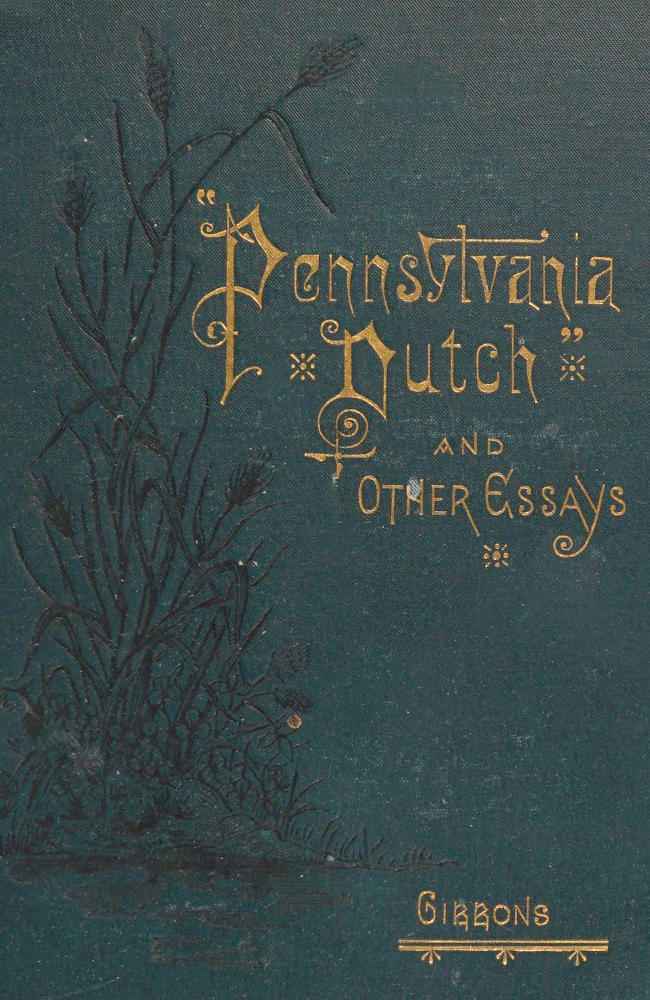 "Pennsylvania Dutch," and other essays
by Phebe Earle Gibbons
"Pennsylvania Dutch," and other essays
by Phebe Earle Gibbons
 "Sterminator Vesevo" (Vesuvius the great exterminator) / Diary of the Eruption of April 1906
by Matilde Serao
"Sterminator Vesevo" (Vesuvius the great exterminator) / Diary of the Eruption of April 1906
by Matilde Serao
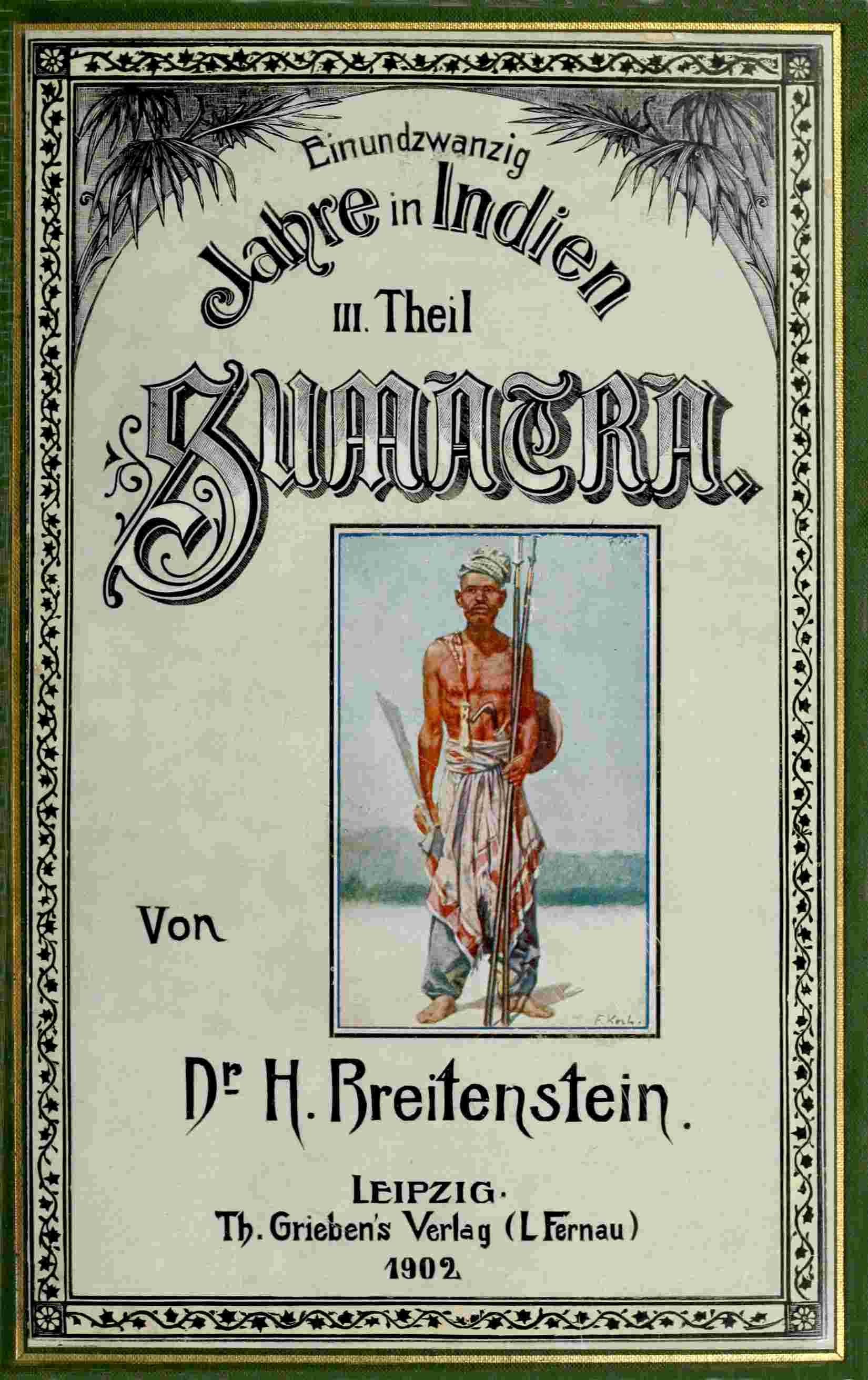 21 Jahre in Indien. Dritter Theil: Sumatra.
by Heinrich Breitenstein
21 Jahre in Indien. Dritter Theil: Sumatra.
by Heinrich Breitenstein
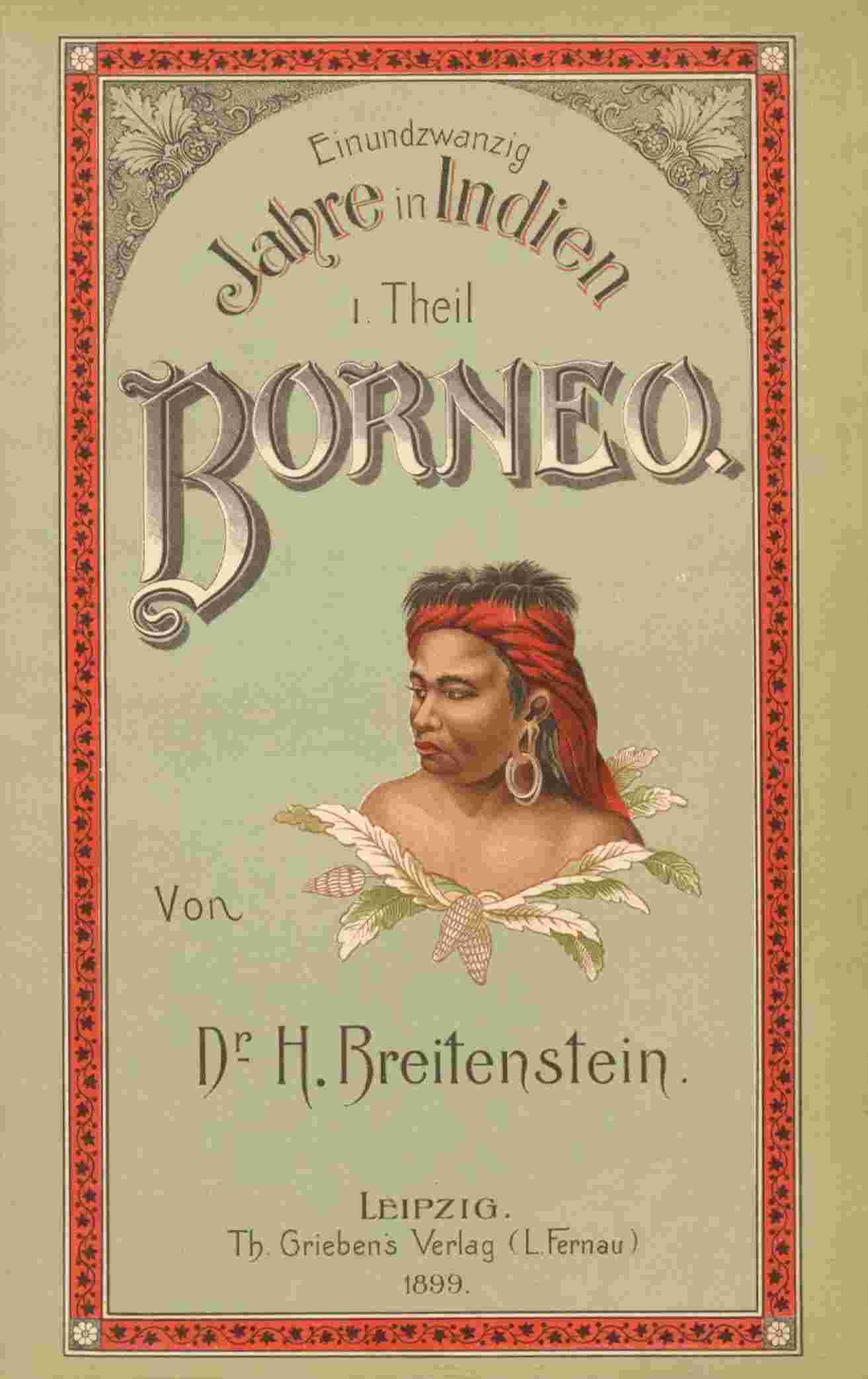 21 Jahre in Indien. Erster Theil: Borneo.
by Heinrich Breitenstein
21 Jahre in Indien. Erster Theil: Borneo.
by Heinrich Breitenstein
 A Bakony (1. kötet)
by Károly Eötvös
A Bakony (1. kötet)
by Károly Eötvös