
- A
- abris, 322
- Acacia salicina, 157
- acacia seed, 150, 151
- Adelaide tribes, xii, 100, 102, 180, 195, 204, 206, 208, 212, 214, 360, 366
- administration, tribal, 225 et seq.
- adzes, 366, 367
- Affenspalte, 38
- “alangua” (native pear), Knaninja, 353
- albinism, 48
- “Algerrigiowumma,” sky-shying act, 238, 239
- Alligator River, 197, 249
- allotment of infants, 221, 222
- “Altjerra,” 279, 295, 341, 342
- “Altjerrajara,” Supreme Number, 271, 296
- “Altjerringa,” 279, 296, 342
- “Aluggurra” women, 343
- Aluridja tribe, xii, 4, 47, 48, 50, 65, 78, 82, 83, 92, 95, 111, 114, 121, 147, 149, 150, 151, 153, 155, 170, 176, 178, 184, 192, 200, 205, 213, 226, 231, 236, 239, 240, 243, 255, 259, 264, 267, 269, 271, 272, 282, 295, 296, 349, 356, 361, 362, 387, 396, 398, 400, 402
- amputation of finger joints, 253, 254
- ancestor worship, 257
- animation, in art, 320, 336, 337, 338
- animal tracks, drawn in sand, 70-73
- anthill burial, 206;
- of bone, 214
- Anthistiria (kangaroo grass), 276, 387
- anthropomorphous designs, 353-358
- “Antjuarra,” tooth-rapping ceremony, 235
- anvil-stone, 369
- approaching a stranger, 2, 3;
- a camp, 105
- appreciation, expression of, 399
- archer fish, ochre drawing of, 328
- armistice, 188
- Arnhem Land, 50, 196, 197
- Arrabonna Tribe, 4, 200, 237, 269, 362
- “Arrarra,” a circumcision ceremony, 239 et seq.
- “arrera,” kangaroo, Knaninja, 352
- “Arrolmolba” (phallus), 291
- art of the aboriginal, xi, xii, 297-358
- artificial colouring of body, hunting, 142;
- in warfare, 184;
- of emissaries at initiation, 254;
- for cosmetic and ceremonial purposes, 324-326
- artificial warmth applied to infant, 66
- Arunndta Tribe, xi, xii, 4, 6, 48, 50, 63, 65, 70, 76, 77, 78, 82, 83, 86, 92, 95, 103, 106, 114, 121, 125, 142, 147, 149, 150, 151, 152, 153, 155, 166, 170, 172, 175, 176, 178, 184, 192, 200, 205, 214, 218, 220, 226, 231, 237, 238, 263, 264, 271, 272, 274, 275, 282, 287, 291, 292, 295, 296, 308, 311, 321, 328, 330, 337, 338, 341, 343, 347, 349, 350, 352, 361, 362, 363, 386, 387, 390, 391, 398, 399, 400, 401, 402, 403, 404, 405
- “Atoakwatje,” water-men, 264, 265
- aspirate sounds, 403
- attachment of parents to children, 65, 66
- “aumba” (Brachysema), 153
- Australoid, 58, 59;
- migrations, 56, 57, 58
- awl, stone, 365
- Ayers Ranges, 75
- B
- bailers, 95
- baldness, 50
- ball-games, 77, 78
- bandicoot, corrobboree of, 383
- “banki,” prepuse, 243
- bark, canoes, 160-164;
- drawings, 323;
- shield, 86, 87;
- water-carriers, 92, 93
- barramundi vertebræ used as spear heads, 198
- barter, with ochre, 113;
- with women, 222
- bathing, 99
- Bathurst Islanders, 76, 77, 93, 95, 96, 115, 159, 161, 163, 168, 207, 238, 309, 310, 319, 323, 373, 379, 380
- beard, 50, 51, 117;
- of female, 46
- bees’ honey, 145
- bell-bird, 386
- belly, 20, 21
- Berringin Tribe, 4, 11, 129, 130, 201, 374
- beverages, 153
- biological consanguinity between Australia and other continents, 55
- bird-like attitude, 107
- birds’ eggs, 125, 126
- birth of aboriginal, 61-68
- biting the initiate’s head, 244, 245
- bleeding, stanching of, after circumcision, 243
- blindness, following club hit, 37
- blonde, aboriginal, 48, 49, 50
- blood, drinking of, 154;
- stilling the flow of, 186;
- thrown at opponent during a duel, 166;
- revenge, 187
- Bloodwood apple, 152
- Bloomfield River, 48
- blue eye in aboriginal, 25
- Blue Mountains, 57
- boabab, carved tree, 309;
- carved nuts, 311, 312, 313, 331;
- nuts used as rattles, 374;
- trees serving as reservoirs, 97, 98
- “Bobi,” tjuringa, 270
- body decoration, at completion of mourning, 214, 215;
- cosmetic, artistic and ceremonial, 324, 325, 326.
- See also artificial colouring of body
- “Böllier” ceremony, initiation, 250
- bone, carving of, 313;
- “pointing” the, 174-178, 209
- bone-pointed spear-thrower, 201
- bones of dead man collected, 214;
- radius selected for “pointing bone,” 215
- “boning” to death, 174-178, 209
- boomerang, practice, 86;
- used as a musical instrument, 374, 383;
- used in duels, 168;
- used in warfare, 187, 188
- “boomerang-legs,” 15
- boomerang-spear duel, drawing of, 330, 338
- boras, 377
- boys, apportioned to old men, 65, 66;
- taught use of weapons, 85, 86
- Brachysema Chambersii, 153
- brain of aboriginal, 37, 38
- breast, 18-20;
- artificial lactation of, 20;
- development of, 19;
- enchantment of, 19;
- touched with charred mulga, 65
- Bremer, Sir Gordon, 144
- Buccaneer Archipelago, 50, 51
- buffalo, drawing of, 325, 337;
- hunt, 144, 145, and Frontispiece
- bull-roarer, used at circumcision, 241, 242;
- at mika operation, 246;
- at tooth-rapping ceremony, 232, 233
- burial and mourning customs, 203-215
- burial ground, signpost erected at, 207
- burial in anthill, 208
- C
- Calamus used as paint brush, 319, 320
- Caledon Bay, 115
- calvarium, Tennants Creek, 53;
- used as a drinking vessel, 214
- Cambridge Gulf Tribes, x, 51, 62, 65, 74, 93, 99, 101, 226, 238, 282, 288, 375, 377, 405
- camel, ochre drawing of, 329
- Campbell, John, 344
- camp, clearing a site for, 100;
- life, 100-119;
- occupations while in, 112, 113;
- selection of, 91
- camptocnemia, 15
- cannibalism, 21, 189
- canoes, 160-164;
- dug-outs, 164;
- housing of, 162;
- with outriggers, 164;
- with sail, 164
- capacity of skull, 37
- Cape York, 93, 104
- caravan travelling, 1
- caries, 31
- Carpentaria Gulf, 50, 93, 128, 129, 151, 160, 161, 162, 164, 189, 201, 266, 287, 375
- carpentry taught boys, 85
- carrying, dogs, 67;
- infants, methods of, 66, 67
- carved bone, 313;
- grave posts, 207, 309-310;
- pearl shell, 313;
- trees, 308, 309;
- weapons, 310
- carvings in rock, 299-308
- Cassia, branch used as an emblem of peace, 2;
- used for headgear, 280
- casus belli, 183
- caterpillar, 122;
- totemic designs of, 350, 352
- Caucasian, 58, 59;
- derived from Australoid, 59
- cave drawings, 314, 315, 322 et seq.;
- of Glenelg River, 333, 343-345;
- inspiration given by natural feature, 331, 332
- celestial “walk-about,” 296
- ceremonial dance, drawing of, 332, 338
- ceremony of welcome, 379
- character of aboriginal, 227
- characteristics of race, 5-17
- charcoal drawing, method of, 323;
- of ceremonial dance, 338, 332;
- of crows, 319, 335, 336;
- of buffalo hunter, 325, 337;
- of kangaroo hunter, 326, 337
- cheek bone, 30
- chief of tribe, 226
- chignon, 47
- child decorations, 84, 85
- childhood, 69-90
- children, entertainment of, 69, 70, 71;
- position of at ceremonials, 84, 85;
- playing with sand and mud, 73-75;
- running after wind-driven seeds, 76;
- taught to sing and dance, 70;
- taught to draw and imitate tracks, 71, 72, 73;
- tobogganing, 75
- chin, 29
- Christianity, 257
- cicadae and crickets, musical powers envied, 384
- cicatrices, 236-238, 250
- circle-within-circle designs, 351, 353
- circumcision, 239-244;
- drastic treatment of shirkers, 243
- clubbing the initiate, 242
- clubs, 168, 169, 170;
- in warfare, 188
- club-rule, 222-223
- “coal sack,” 332
- cockatoo, kept as pet, 89
- colour, artificially applied to body when hunting, 142;
- of aboriginal’s skin, 40-45;
- affected by climate, 45, 49, 59
- composition, in aboriginal art, 338
- conception, ideas about, 284, 285
- conventional designs, 346 et seq.
- conventional representation of human figure, 353-358
- conversation, actions aiding, 395;
- by song, 385
- conversationalist, the aboriginal as, 371, 395
- Coo-ee, 2. See also “käu,” 142
- cooking, methods of, 108
- cooleman, 92
- Coopers Creek, 50, 83, 92, 102, 114 (Barcoo), 121, 127, 150, 155, 169, 170, 190 (Barcoo), 200, 237, 362, 376
- cores, stone, 364
- corrobboree, 377
- cosmetics, 115
- Cossus moth (witchedy), 122, 204
- cotton tree (Bombatt malabaricum), 249
- council of old men, 225, 226
- Crocker Island, 131, 191
- Crocodile, carvings of, 331;
- ceremony of, 377;
- eggs of, 126;
- floating log to simulate, 159;
- hunting the, 134
- cradle, food-carrier taking the place of, 65
- “cratch-cradle,” 84
- crawfish, 128
- cremation, not practised, 204
- crossed boomerangs, the symbol of strife, 347, 351
- crows, ceremony of, 378, 379;
- drawing of, 319, 335, 336
- “cutting” the shadow, 175
- Cunningham, Professor D. J., 24
- Cyperus rotundus (“yelka”), 148
- Cyrena, acting as a pigment dish, 319;
- used as a scraper, 162
- D
- “dabba,” stone knife, 367
- daggers, 172
- Daly River spear types, 196, 197, 198
- “damatba” throwing weapon, 170
- “dangorra,” the great emu in the sky, 315, 333, 349
- Darwin, Charles, 33
- dead person’s name not mentioned, 211, 212
- death, tracing the cause of a, 208, 209
- dental rudiments, 33
- de Rougemont, 133
- desert surroundings, 1
- dialects, variety of, 387, 388
- “didjeridoo” drone pipe, 375, 376, 379, 380
- Dieri Tribe, xiv, 4, 76, 82, 83, 92, 111, 121, 150, 155, 170, 172, 190, 205, 206, 218, 237, 242, 271, 282, 289, 290, 361, 362, 376, 386, 396, 400
- diminutive expressions, 396, 400
- “dindula,” hair ornament, 47
- dingo, the wild dog of Australia, 119;
- hunting the, 141;
- mythical dingo or “knullia” people, 342
- Diprotodon, 52, 54;
- associated with other bones, 119;
- carving of spoor, 307
- disc throwing, 76
- discipline, 85
- diseases, the cause of rapid decline of aborigines, xiv
- dog, the constant companion of aboriginal, 118, 119
- dolichocephaly, 35
- dolls, 79, 80
- down-decoration of ground, 282, 326
- Dravidians, 58
- drawings, in sand, 70-73;
- of “totem,” 339-343
- dress, mode of, 113, 114, 115
- drinking, methods of, 98, 99
- drone pipe, 375, 376, 379, 380
- drought, trying conditions of, 117
- Dubois, Professor, 55
- Duboisia Hopwoodi, 155
- Duckworth, Professor, W. L. H., 33
- duels, 165-174;
- boomerang, 168;
- chivalry displayed in, 174;
- club, 168-170;
- damatba, 170;
- heavy spear, 172, 173;
- kutturu, 165-168;
- reed spears, 171;
- stone dagger, 172;
- shield used in, 173
- dugong, hunting the, 134-137;
- sung to during initiation, 19
- dugout canoes, 164
- Durham Downs, 237
- E
- ear, 29, 30
- echidna designs, 336, 346, 347
- eggs, of birds, 125, 126;
- of reptiles, 126
- “Elaija,” a sacred ancestor, 283
- “elbola,” bark headgear, 280
- “elenba,” wooden hair pins, 47
- elopement, 223
- emu, in the sky, 315, 332, 333, 334, 349;
- carved in boabab, 309, 330;
- carving on boomerang, 317;
- ceremony, 274-280, 377, 378;
- game, 81, 82;
- gum leaves imitating the rustle of, 374;
- hunting the, 129-140;
- neck in the sky (“Yirrerri”), 334
- enemy, corrobboree portraying the slaying of, 383, 384
- “engulba,” pitjuri, 155
- ensellure, 7
- epipteric bone, 36
- “Erinnja,” an evil spirit, 294
- “erriakutta” (yelka) ceremonial drawing, 282, 327
- erythrism, 48
- escort of natives, 2
- Etheridge, R., x
- ethmoid, 25
- “Etominja,” sacred ground design, 282, 326
- Eucalyptus corymbosa (Bloodwood), 98, 152;
- dumosa (water mallee), 98;
- miniata (woolly butt), 161;
- rostrata (red gum), 147;
- tetradonta (stringy bark), 161
- Eugenia, leaf poultice applied to breast, 20
- evil spirit, 291, 292, 294, 299, 314, 385
- exchange of wives, 224
- exclamations, 398, 399
- external angular process, 25
- extremities, length of, 10
- eye, 23, 25
- F
- Face, 22-30
- fat of emu and goanna, 115
- fatty tissue scant in aboriginal, 5, 6
- fatty tumours, 6
- feather wig, 50
- femur, 14, 15
- feet, evolution and use of, 10 et seq.;
- “hand-like” form of Berringin tribesman, 11
- fibula, 16
- fight, corrobboree of, 382
- figure contrast between aboriginal and European, 5 et seq.
- fire-fly, artificial, 376
- fire ceremony (“Ngardaddi”), 261, 263
- fire, 108;
- shovels, 109, 110;
- saw, 111, 202;
- sores, 110;
- stick, 110, 112;
- whisk, 110, 111;
- the precursor of civilization, 258, 260;
- legend concerning origin on earth, 259, 260
- fireless cooking, 80
- fire walking, 236
- firewood, gathered by women, 107
- fish, barriers, 129;
- designs, 350;
- hooks, 132;
- nets, 129, 130, 131;
- nooses, 129;
- ochre drawings of, 328;
- spears, 131, 132
- fishing, in parties, 127, 128, 129;
- line, 132;
- methods, 127, 128;
- races, 128
- flatfoot, 12
- Flinders, Matthew, 117
- Flinders Ranges, burial customs in the, 206;
- ochre mine, 316;
- rock carvings, 299, 303-308
- flying fox design, 345, 350
- foetal elements (“rattappa”), 287
- food-carrier, used as cradle, 64, 65, 66
- food restrictions, 250, 251
- foot of Tasmanian, 14
- footmarks in caves, 322
- fourth molar, 32, 33
- forehead, 23, 35
- Fowler’s Bay, 64, 76, 295, 383
- Fraipont’s method, 28, 29
- frog, corrobboree of, 379
- frog dance of children, 70
- frog designs, 335, 346
- frontal bone, 35, 36
- frontal suture, 34
- Frontispiece, 145
- funeral chant, 211
- G
- gagging the initiate, 242, 246
- Garner, Professor, 405
- Genyornis, carving of track, 308
- geological antiquity, 49, 52, 53, 54
- gesture language, 388-394
- “gibba,” chewed bone, 176
- “Gibberi,” circumcision, 242
- Gibraltar skull, 23, 32
- Ginmu Tribe, 4, 253
- girls accompany women instructors, 85
- Glenelg River, xi, 159, 288, 312, 333, 344
- goanna, 127
- Gondwana, 55, 56
- Good Spirit, 294, 295
- goose hunting, 138, 139
- “gorri,” a game played on the Humbert River, 76, 77
- gouge, bone, 314
- grasshopper, 387
- grass tree, cover when emu hunting, 140;
- flower stalks used for making spear shafts, 195
- grave posts, 207
- Great Australian Bight, 66, 141, 169, 192, 199
- great emu ceremony, 274 et seq.
- Grey, Sir George, xi, 219, 272, 340, 343, 344
- Gribble, E. R., 17
- Groote Island, 101, 164, 197
- ground drawings, 282, 326, 327
- grubs, 122-125
- gruesome rite, 247, 290
- “gummanda,” cicatrices, 238
- H
- habitations, 101-105
- half-castes, 59, 60
- hailstone (“Imbodna”), mythical stone, 264
- hair, 46, 47;
- belts, 116;
- cutting of, 117;
- pins (wooden), 47
- Hakea bark, charcoal used for blackening hair, 285
- hammers, stone, 360
- hand-ball, 77
- hand-like feet, 10-12
- hand-prints in caves, 321, 322
- hand-mills, 319, 361
- hardening the child, 236
- hatchets, stone, 362, 363
- hawk traps, 137, 138
- head-biting during initiation, 244, 245
- head-dress, of emu ceremony, 277;
- of “tjilba purra” (phallic) ceremony, 287
- head-rests, 105
- height of aboriginal, 16, 17
- Helix perinflata, 121
- Hickson, Sydney, 49
- hide and seek, 78, 79
- Higgin, A. J., 157
- hollow trees used as shelters, 102
- honey, wild bees’, 145;
- drink, 153, 154
- honey-ant, 146, 147
- Howitt, Dr. A. W., 295
- human chain-pattern, 353, 354, 355
- human form, pictographic representation of, 353-358
- Humbert River, 76, 320, 324, 336, 337, 352, 353, 403
- Humboldt, Alexander von, 20
- humerus, 16
- hunt, objects of the, 121
- hunting, 120-147;
- buffalo, 144, 145;
- crocodile, 134;
- dingo, 141;
- dugong, 134-137;
- emu, 129-140;
- geese, 138, 139;
- hawks, 137, 138;
- kangaroo, 141-144;
- opossum, 140, 141;
- turtle, 132, 133;
- whistling duck, 139;
- wallaby, 141;
- wombat, 141
- hunting instinct, 120, 121
- hunting with fire, 126
- huts, 102-105
- Huxley, Thomas, 24
- hypertrichosis, 46
- I
- “ilbarinam,” tjuringa, xi
- “ilja-imbadja,” hand marks in caves, 321
- “ilgarukna,” venesection, 275
- “illiya tjuringa,” emu ceremony, 274 et seq.
- “ilpalinja,” sun worship, 265-267
- “Iltdana,” evil spirit, 292
- Ilyauarra Tribe, 4, 205
- “Imbodna,” a mythical hailstone, 264
- “Imboromba,” a spirit father’s mate, 287
- imitation, of the plovers’ call, 70, 265, 379, 386;
- of the dingo’s howl, 70;
- of the jungle fowl’s call, 380;
- of the crow’s call, 378;
- of the crocodile, 377;
- of the emu, 279, 378
- “Indorida,” the mate of Rukkutta, 291
- infant betrothal, 221
- infant, treatment of, 64-68;
- rubbing milk and charcoal over body of, 65;
- singeing hair of, with fire stick, 65
- “ingada,” a chief, 226
- Ingada Ladjia Knaninja, leader of yam ceremony, 281
- “ingwitega,” munyeroo, 150
- inion, 36
- initiation, 230-256;
- amputation of finger-joints, 253, 254;
- of the female, 252, 253;
- origin of, 251, 252;
- without mutilation, 249
- instinct for locating water, 96
- interment, 205-207
- internal angular process, 25
- interrogatives, 403
- intitjuma, ceremonies, 274
- intoxicating drink, 153, 154
- introduction to a tribe, 1-3
- iris, 25
- “irr,” 171;
- expression of disgust, 118
- “irriakutta,” yelka, 149
- J
- “jarrulge,” mulga apple, 152
- Jewish features, 26
- “jingardti,” a chief, 226
- Joyce, Capt. T. A., x
- judge of character, 228
- “judja,” a chief, 226
- jungle fowl, corrobboree of, 380, 381
- jus primae noctis, 256
- justice, idea of, 227
- K
- “kadabba,” phallus, 283, 284
- Kai Kai, an old medicine man, 180
- “kaidi,” tjuringa, 270
- kaili (boomerang), used as musical instrument, 383;
- miniature, for practice, 82
- Kaitidji (Kaitish) Tribe, 4, 92, 364
- Kakera, marriage group, 220
- Kakatu Tribe, 4, 267
- “kaleya pubanye,” the sitting emu (coal sack), 332
- “kaloa,” raft, 160;
- toy models of, 82
- “kalumba,” nardoo, 150
- “kalunuinti,” phallus, 288
- “kanbanna,” paddles, 159
- kangaroo, charcoal drawings of, 321, 326, 336, 337;
- conventional representation of, 350;
- corrobboree of, 381;
- hunt, 141-144;
- ochre drawings of, 327, 328;
- origin of “arre,” its name, 387;
- tjuringa design of, 349, 352
- “kapa” or “kadje,” water lily, 151
- “kapi wiyinna,” magic water stick, 264
- “karru,” milky way, 349
- “karwinnunga,” shield, 173
- “käu,” vide Coo-ee, 142
- “käu-käu,” chewed bone, 176
- “kaula,” native pear, 152
- Keith, Sir Arthur, x
- kidney fat and marrow of dead warriors eaten, 189
- Killalpaninna, 290;
- “killa wulpanna,” 290, 291
- King Sound natives, 50, 82, 88, 132, 151, 159, 283, 309, 311, 330, 358, 363, 396
- kitchen-middens, 121, 122
- Klaatsch, Professor Hermann, x, 25, 28, 29, 42, 50
- “Knaninja,” xi, 265, 271, 274, 280, 281, 282, 285, 327, 341, 352, 353
- “Knaninja Arrerreka,” mythical sun creature, 265;
- ceremonies of, 274
- knives, stone, 364
- “knudda” (fat) of witchedy, 342
- “Knurriga Tjilba Purra” (phallus), 286;
- head of the Kukadja, 285
- kobong, xi, 219, 226, 232, 269, 271, 272, 340
- Kochia bush, used for making vegetable-down, 276
- Kolaia Tribe, 4, 65
- “kolldürr,” stone spear-head, 370
- Kukadja, 285, 286, 292, 293
- Kukata Tribe, 4, 32, 81, 82, 87, 184, 200, 205, 236, 241, 242, 248, 255, 288, 296, 318, 361, 362
- “kukerra,” playing stick, 82, 83
- Kumara marriage group, 220
- Kunapippi, a mythical witch, 271
- Kurdaitja, an evil creature, 71, 72
- “kurreke tata,” the plover, 70, 265, 386
- “kutturu,” fighting stick, practice, 87;
- duels, 165-168;
- embodied in head-gear, 280
- Kuyanni Tribe, 4, 362
- “Kwatje,” water, ceremonies, 274
- “Kwatje purra,” magic water stick, 264
- L
- lachrymal bone, 25
- lactation, artificial, 20
- “ladjia,” or yam tjuringa, 280 et seq., 337;
- design of, 347
- Lake Eyre, 50
- lances, 193
- “langa langa,” a shell knife used for “cutting the shadow,” 175
- “langu,” native pear, 152
- language, xii, 386-405
- lanugo, 46, 49
- La Perouse, 107
- Larrekiya Tribe, 4, 62, 77, 111, 130, 131, 139, 142, 163, 164, 170, 196, 201, 202, 205, 207, 208, 210, 230, 249, 252, 332, 374, 379, 384
- legs, 14
- Lemuria, 55, 56
- lerp manna, 147
- leucoderma, 43
- licentiousness, 224, 254
- “lionila,” a club, 170
- lipomas, 6
- lips, 31
- living skeletons, 21
- lizards, 126;
- designs of, 334, 335
- lobulus, piercing of, 30
- log rafts, 158-160
- “lorngai,” feather wig, 50
- lumbo-sacral curve, 9
- “lurra,” a lipoma, 6
- M
- MacDonnell Ranges, 50, 92, 127, 146, 153, 155, 218, 226, 285, 291, 341, 362, 364, 405
- Maiyarra’s conception, 61;
- accouchement, 63
- Malay bêche-de-mer fishers, 57
- manna, 147
- mastoid process, 30
- “marimba,” wallaby bone used for loosening a tooth, 236
- marine molluscs, 121, 122
- marital relationships between man and woman, 222, 223
- marriage systems, 218, 219, 220, 221;
- allotment of infant, 221, 222
- “marriwirri,” wooden sword, 170
- Marsdenia Leichhardti, native pear, 152
- Marsilea quadrifolia, nardoo, 150
- mastoid process, 29
- maternity, peculiar belief concerning, 62
- medicine man, 179-182, 264, 265, 273, 294;
- attends council meeting, 225, 226;
- treating a patient, 181, 182
- meeting an Australian tribe, 3
- Melophorus inflatus, honey ant, 146
- Melville Islanders, 77, 93, 144, 159, 161, 163, 192, 207, 238, 249, 309, 310, 323, 373, 380
- “memba,” a feather wig, 50
- mental foramen, 29
- Menuaitja, marriage group, 220
- “merliadda,” fire walking, 236
- migrations of early man, 56
- “mika,” a bark food carrier, 92
- mika operation, 245-249
- milk squirted at strangers, 228
- milk and charcoal rubbed over newly-born child, 65
- Milky Way, 332, 349, 350
- Milk-bush, 387
- mimicry, powers of, 371
- “mingul,” pitjuri, 155
- Minning Tribe, 4, 170, 218, 220, 260, 270, 334
- “miri,” hand mill-stone, 361
- modesty, sense of, 107
- “moiranje,” a pubic tassel, 114
- molars, 32
- Mollinya ceremony, 250
- Mongarrapungja, head of the Kukadja, 292, 293
- Mongoloid migration, 56, 59
- moon legends, 267-269
- moon man, 267, 268
- monkeys, appreciation of, by aborigines, 89, 90
- mopoke, 386
- “moru” (Tephrosia), a fish poison, 139
- mothers charged with callousness, 65
- mourning, customs of, 208-215;
- second period of, 214
- mourning ceremony, comic imitation of, 380
- mouth, 31-33
- mud-balling, 75
- mud slides, 73, 74
- mulga apple, 152
- Mulluk Mulluk Tribe, 4, 25, 112, 197, 206, 365, 404
- mummies, 208
- munyeroo, 149, 150
- Muramura, the Supreme Number, 271
- Murchison district, type of spear-thrower of, 200
- Musgrave Ranges, 48, 97, 102, 108, 109, 127, 143, 146, 151, 155, 329, 332, 360
- music and dance, 371-385
- music sticks, 374, 375, 379, 380
- mussel (Unio), 121;
- knife used for “cutting the shadow,” 175
- mutilations, after return of circumcision candidate, 243;
- after mika operation, 248;
- amputation of finger joints, 253, 254;
- at mourning ceremonies, 209, 210, 211, 213;
- head biting, 245;
- of female, 255, 256;
- upon receipt of sad news, 210
- N
- Nangali, a mythical water-man, 264
- “nangarri,” the medicine man, 179, 180, 181, 182, 264, 265, 273, 294;
- treating a patient, 181, 182
- nardoo, 150
- Narrinyerri Tribe, 4, 95, 169, 200, 214, 296
- naso-labial folds, 27
- native pear (Marsdenia) design, 351, 353
- native well, 96
- Nature worship, 257
- “naualla,” cicatrices, 238
- navigation, 158-164
- Neanderthal skeleton, 15, 23, 24, 25
- Needlebush (Hakea lorea), 98, 111
- negative chin, 29
- negative words, 398
- Negroid, 15, 28, 29, 34, 56, 59
- newly-born infant, treatment of, 64, 65
- “ngadanji,” tjuringa of phallic significance, xi
- Ngadeja marriage group, 220
- Ngameni Tribe, xiv, 4, 82, 155, 205, 237, 361, 362
- Ngardaddi, a mythical fire thief, 261, 262
- “ngongu nerbai,” a stone spear-head, 370
- “nimmerima,” an emu-spear, 139
- nomenclature, defining the individual, 216-218;
- connected with marriage system, 218, 219
- Northern Territory tribes, 76, 108, 112, 115, 116, 126, 128, 129, 130, 131, 132, 138, 142, 151, 174, 190, 195, 196, 197, 200, 201, 202, 208, 209, 211, 237, 253, 286, 313, 320, 323, 336, 349, 365, 367, 373, 374, 379, 405
- Northern Kimberleys tribes, 77, 82, 86, 92, 95, 97, 109, 116, 125, 131, 139, 151, 173, 195, 200, 206, 208, 214, 232, 244, 249, 256, 284, 288, 311, 313, 330, 340, 343, 360, 367
- nose, 26-28;
- boring of septum, 230, 231
- nuclei, stone, 364
- Nullarbor Plains tribes, 169, 251
- numerals, 396, 397
- Nyege, Supreme Spirit, 295
- Nymphaea stellata, blue water lily, 151
- O
- Obesity, 6
- occipital bone, 39
- ochre drawings, at ceremonials, 325, 326;
- on bark, 323;
- on the body, 324, 325, 326;
- on weapons, 323, 324
- ochre, smeared over corpse, 208;
- over emissaries at initiation, 254;
- over infant, 65;
- over initiate in tooth-rapping ceremony, 234;
- over initiate in circumcision ceremony, 241;
- over sacred stone, 291;
- preparation of for barter, 113, 318;
- preparation as a pigment, 318, 319
- ointments, 115
- “oladda,” bark food-carrier, 65
- “omelette” of emu egg, 125, 126
- Ooldea, 48
- operating knife, 242, 364, 365
- opossums, carried on the head, 88;
- hunting of, 140, 141;
- suckled by gin, 91
- orbita, 25, 26
- orders of the day, 91
- “oridja,” truffle, 151
- origin of aboriginal, 52
- orthognathism, 29
- os inca, 35
- outriggers, 164
- oven-stones, 360, 361
- P
- paddles, 163
- Pandanus cider, 153, 154
- Panunga marriage group, 220
- “parapara,” nardoo, 150
- parietal bone, 35
- “parli,” the north-western form of wanningi, 356
- Parnkalla Tribe, 4, 199
- patting the chest, a form of salutation, 3
- “päuya,” native pear, 152
- pearl shell coverings, 115, 313, 355
- peroneus muscle, 12
- perspective, generally absent in drawings, 334, 338, 339
- pets kept in camp, 88
- “peturr,” pitjuri, 155
- phallic worship, x, xi, 282-292
- phallus, 249, 283-292;
- water producing, 264
- philosophical instincts, 116, 117
- Pidunga Tribe, 4, 317
- pigmentation of skin, 41-43, 59
- pitch, changing of, while rendering a song, 376, 377
- pitchi, bark food-carrier, 92
- Pithecanthropus, 15, 55
- pitjuri, 113, 139, 155, 156, 157
- piturine, 157
- placenta, 64
- platform burial, 207, 208
- platycnemia, 15
- platypus design, 304, 306
- playing “father and mother,” 79
- playing stick, 82
- Pleistocene gravels, 53
- plover, the “rainmaker,” 70, 265;
- imitating call of stone plover, 379;
- origin of its name, 386
- plurality, expression of, 400
- “pointing” the bone, 174-178
- Ponga Ponga Tribe, 4, 88, 112, 184, 197, 198, 365
- Port George IV, 65, 94, 238, 283, 310
- Port Hedland carvings, 299-303, 329
- Port Jackson carvings, 299, 300
- portulaca, 147
- positive chin, 29
- “pot-belly,” 21
- pounders, stone, 360
- pregnancy, artificial interference with, 64
- “prelja,” manna, 147
- premolars, 33
- prepuse, resection of, 242
- “primitive snout,” 27
- prognathism, 28
- pronouns, 401-403
- prostitutes, 223
- pubic coverings, 114, 115, 243, 249, 313
- “puli,” stone used in tooth-rapping ceremony, 236
- Pultara marriage group, 220
- “purra,” phallus, 287
- Purula marriage group, 220
- “putta ildurra,” stone dagger, 172
- Psylla, 147
- Q
- Queensland, 50, 53, 80, 84, 94, 102, 104, 124, 131, 137, 155, 163, 190, 208, 299, 308, 316, 362
- R
- radius selected for “bone,” 215
- rafts, 158-160
- rainmakers, 264, 265
- “rattappa,” foetal elements, 287, 291
- rattles, boab nuts, sea shells, and gum leaves, 374
- red-hot coal placed on forearm, 87, 88
- reed spear, 171, 194
- religious ideas, 257-296
- repetition of action, verbally expressed, 397, 398
- retouche, 370
- rhinal fissure, 39
- rhythm, 372, 377, 383
- River Murray Tribes, 66, 100, 102, 108, 114, 121, 160, 169, 192, 195, 200, 208, 213, 310, 313, 365, 367, 373
- rivers, extinct in Australia, 59
- rock carvings, 299-308
- rock shelter, 322
- Roebuck Bay, 170
- Roper River Tribe, 153, 197, 249, 270, 287
- Roth, Dr. Walter, 48, 80, 84
- Rukkutta, a tribal ancestor, 291
- S
- sacral bone, 9
- sacred ceremonies, 273 et seq.;
- ceremonial object (“tjilbakuta”), 276, 278, 280;
- emu tjuringa, 274 et seq.;
- “kwatje” tjuringa, 274
- sacred ground of tjuringa, 272, 273
- sacred ground drawing, “Etominja,” 282
- sacred pole, “Djundagalla,” 248, 249;
- stored in hut, 266
- sagittal suture, 35
- Salsola kali, 76
- salutations, 105, 106, 404
- Sarcostemma, 387
- saw fish, 131
- scars (tribal), 236-238
- scaphocephaly, 34, 35
- Schweinfurth, Prof. G., 306
- Scleroderma, 152
- scrapers, stone, 363-367;
- slate, 366
- sepulchral caves, 214
- sex worship, 257, 282, 289-292
- shell-fish, 122
- shelters, 101-105
- Sherait Tribe, 130, 365
- shield, 173, 188
- ship-of-war, corrobboree of, 382, 383
- shoulder-blade, 16
- sibilant sounds, 402
- sign language, 388-394
- singing, ensemble, 384;
- the words of a conversation, 385
- sitting, methods of, 106
- skeins of fur-string used during dance, 373
- skeleton of aboriginal, 5-16, 21-37
- skeleton, imitation of, in body decoration, 325
- skin, colour of, 40-45
- skin drums, 373, 374
- skin water bags, 94, 95
- skins used by southern tribes, 100, 114
- skipping, 83
- skull, 34 et seq.;
- capacity of, 37
- sky-shying act, 238, 239
- sleep, order during, 101;
- position during, 105
- Smith, Dr. Ramsay, 15, 16, 34
- Smith, Dr. S. A., 53, 54
- smoking ceremony, 253
- snails, 121
- snakes, 126;
- mythical, 269
- songs, 377-385;
- imitating natural call-notes, 377 et seq.
- Spartan principles, 87
- spears, 190-198;
- carefully stored, 112, 113;
- heavy, 172, 173;
- poisoned, 198;
- reed, 171, 194, 195;
- stone-bladed, 367;
- stone-headed, 196;
- types figured, 191;
- uses of, 190
- spear-head, stone, 367-370;
- method of making, 368-370
- spear-throwers, 199-202
- spine, curvature of, 7;
- effect of upright attitude upon, 8;
- effect of tree-climbing upon, 13;
- proportional lengths of vertebræ and cartilaginous discs, 8;
- smallness of vertebræ, 9
- Spinifex, 76
- spokeshave, stone, 365
- squamous portion of temporal bone, 36
- still-born children, 205
- Stirling, Dr. E. C., 15
- Stokes, Lort, 105
- stone age in Australia, 58, 59, 359
- stone-covered huts, 103
- stone implements, 359-370
- Strehlow, Rev. Carl, x
- subincision, 245-249;
- sensual excitement at, 248
- sulcus lunatus, 38
- Sunday Islanders, 65, 66, 78, 82, 84, 89, 93, 117, 176, 295, 331, 355, 368, 397, 398, 401, 403, 404
- sun-men, 267
- sun worship, 265-267
- superlative expressions, 399
- Supreme Spirit, xi, 400
- T
- “takul,” mulga apple, 152
- Talgai skull, 33, 53
- Talleri, the eternal home of all spirits, 296
- “taralje,” a spear-thrower, 200
- Tasmania, separated from the mainland, 119
- Tasmanians, 14, 15, 16, 28, 31, 34, 35, 37, 49
- “tchewa,” flat stone of hand-mill, 361
- “tdela,” head-dress, 280
- Tecoma Australis, 195, 196
- teeth, 31
- temperament, 229
- Tennants Creek, calvarium, 53;
- the home of Kukadja men, 285
- Tephrosia, a poison plant, 139
- terminal syllables, 398, 399
- the day’s march, 91-99
- Therapon, drawing of, 328
- thigh bone, 14, 15
- third trochanter, 15
- thorns, removal of in camp, 117, 118
- throwing competition, 78
- thunder, 387
- tibialis posticus muscle, 16
- time, beating of, 372, 373;
- fixing of, 395;
- representation of, 351
- “tip-cat,” 78
- “tjilbakuta,” a sacred ceremonial object, 276, 278, 280
- “tjilba-purra,” a phallus, embodied in head-gear, 287;
- Altjerra-Knaninja drawing, 327
- Tjingali Tribe, 4, 308
- “tjulu,” a stone operating knife, 242
- tjuringa, 217, 311;
- Altjerra-Kutta, 291;
- acting as a talisman, 273;
- carried by initiation emissaries, 242;
- carved stone, 309;
- caterpillar, 350, 352, 353;
- ceremonies, 274 et seq.;
- in the sky, 334;
- inspirited by a deity, 270;
- kangaroo, 349, 352;
- mythical origin of Kunapippi, 271;
- native pear, 351, 353;
- of sun ceremony, 265, 266;
- produced at female initiation ceremony, 255;
- stored in sacred caves, 272, 343;
- witchedy grub, 348;
- yam pattern, 337
- Tjurrega marriage group, 220
- “tjutanga,” tooth-rapping rod, 236
- “toki,” a waterlily, 151
- tomahawks, stone, 362, 363
- Tomkinson Ranges, 48, 67, 114, 143, 227
- tooth-ache, 32
- tooth pick, 32
- tooth-pointed spear-thrower, 201
- tooth-rapping ceremonies, 231-236;
- “antjuarra,” 235, 236;
- gum forced back with finger nail, 235;
- knocking the tooth out, 235
- tops, 83
- “totem,” xi, 219, 226, 269, 270, 271, 272, 273, 279, 280, 282, 285, 339, 340, 341, 351, 353
- “totem,” ancestors, 274;
- ceremonies, 274;
- food and hunting restrictions, 273
- “totemic” designs, 339-343, 346, 351, 352, 353
- Toxotes, drawing of, 328
- toys, 79 et seq.
- toy, boomerang, 82;
- dart, 82;
- raft, 82;
- spears, 81, 194;
- weapons, 80, 81
- tracks, drawn in sand, 71-73;
- representations of, 347-349
- tree-climbing, 12-14, 123, 124;
- competitions in, 75, 76
- tree-felling by fire, 124, 141
- Triassic period, 56
- tribal organizations, 216-224
- tribal husbands, 224
- tribal law, 226
- Trigonia in Australia, 58, 59
- truffle (Scleroderma), 151, 152
- trumpets, bamboo, 375, 376, 379
- tubera frontalia, 35
- Tukura, a great Spirit, 295, 296, 356
- Tukurata, the Supreme Number, 271
- Tukutita, the Supreme Number, 271
- “turapitti,” artificial fire-flies, 376
- Turbo undulata, 122
- turtle, eggs, 126;
- hunting, 132, 133, 160
- turtle designs, 335, 346
- Tutrarre, a mythical dog, 267
- twins, 63, 64
- U
- Ullbönnalenna water hole, 97
- “ullyinga,” witchedy hook, 125
- Ulparidja group, 48
- umbilical cord, treatment of, 64
- Unio, 121
- Unio pictorum, 319
- upright attitude, see spine, 7 et seq.
- urethrotomia, 245-249
- “utnguringita” or witchedy grub drawings, 341-343
- u-within-u designs, 351, 352, 353
- V
- Veddahs, 25, 58
- vegetable diet, 148-152
- vegetable down, 275, 276
- venesection, 275
- verbs, conjugations of, 400, 401
- vermin-proof platform larders, 105
- Victoria River tribes, 62, 75, 76, 77, 103, 105, 128, 146, 211, 243, 253, 266, 285, 292, 319, 321, 323, 325, 326, 332, 336, 367, 373, 375
- Victorian basalts, human bones beneath, 54
- vocal productions, 376 et seq.
- W
- waddies, 168 et seq.
- “wadua,” white vegetable-down, 276
- “wagal-wagal,” a tjuringa, 270
- walking, 12;
- in single file, 118
- wallaby, hunting of, 141
- “waketo,” munyeroo, 150
- “wanjerra,” red vegetable down, 276
- “wanna,” yam sticks, 148
- wanningi, 240, 244, 356, 357
- Waraka, a spirit father, 287
- war council, 184
- warfare, 183-189
- “warrakinna,” pitjuri, 155
- Warramunga Tribe, 4, 92
- Warrupu, a Minning ancestor, 260
- Warrida-jinna (eagle hawk’s claw), Southern Cross, 349
- Warrnambool footprints, 54
- water, in Currajong, Bloodwood and Needlebush, 98;
- supplies guarded against pollution, 97;
- transported by women, 91, 92
- water carriers, 92-95
- water ceremonies, 274
- water legend, 263, 264
- water mallee, Eucalyptus dumosa, 98
- water men, “atoa kwatje,” 264, 265
- water lily tubers, 151
- water supplies, 96, 97
- weaning of children, 66
- Wellington caves, 54
- Wenoinn, a Minning ancestor, 260
- white ants added to acacia flour, 150, 151
- “white blackfellow,” 42
- Wickham River, 248
- “widida,” native truffle, 151
- widow, 212-214;
- claimed by deceased husband’s brother, 213;
- cutting off of hair, 213;
- re-opening scalp wound, 213;
- skull caps of gypsum, 213
- “wilpa,” a wallaby, 141
- “winudtharra,” honey ant, 147
- Winyeru, initiation ceremony, 242, 248
- “wirrauwa,” a bark bucket, 94
- Wirrewarra, the eternal home of all Spirits, 296
- witchedy grub, 122, 123, 124, 125;
- sacred drawings of, 341-343;
- “totemic” designs, 351-352
- witchedy hook, 124, 125
- Wogait Tribe, 4, 62, 83, 109, 116, 130, 131, 139, 170, 196, 197, 198, 201, 208, 243, 244, 332, 365, 374, 379
- woman, corrobboree of, 383
- wombat hunt, 141
- women, the recognized carriers, 112
- Womma, the Milky Way, 350
- wommera, spear-thrower, 180, 199-202
- Wongapitcha Tribe, 3, 4, 47, 48, 67, 92, 95, 111, 114, 121, 122, 147, 151, 152, 153, 155, 184, 200, 205, 218, 235, 236, 242, 255, 259, 349, 361, 396, 398
- Wongkanguru Tribe, 4, 83, 121, 155, 361, 362
- Woods, Rev. Tenison, 43
- Wordaman Tribe, 4, 201, 248
- words derived from natural phenomena, 386, 387;
- imitating natural sounds, 386
- Worma Kadiabba, a mythical snake’s head, 269
- Wormian bones, 35
- Worora Tribe, 4, 94, 116, 176, 238, 310, 321, 343, 361, 369
- “Wubbi, wubbi, wubbi, wau!”, the voice of the bull-roarer, 241, 242
- Wulna Tribe, 196
- X
- Xanthorrhœa, grass tree, used in emu hunting, 140;
- flower stalk used for spear shaft, 195
- Y
- yam ceremony, 280
- yams, 151
- yam stick, 148
- yam tjuringa, 280 et seq., 337, 347
- Yantowannta Tribe, xiv, 4, 50, 82, 83, 92, 114, 121, 155, 169, 205, 207, 213, 237
- Yarrakinna, ochre mine near Parachilna, 316
- “yarralyi,” beetles supposed to possess ecbolic principles, 64
- Yauroworka Tribe, xiv, 4, 103
- “yeapatja,” or caterpillar tjuringa, 352, 353
- yelka, 148, 149;
- ceremonial drawing of, 327
- “yerumba,” a honey ant, 147
- Yirrerri, neck of emu in the sky, 334
- Yunta rock carvings, 306-308
- Z
- Zamia, cicatrices in imitation of, 238;
- in Australia, 58
- zygomatic arch, 30
About This Book
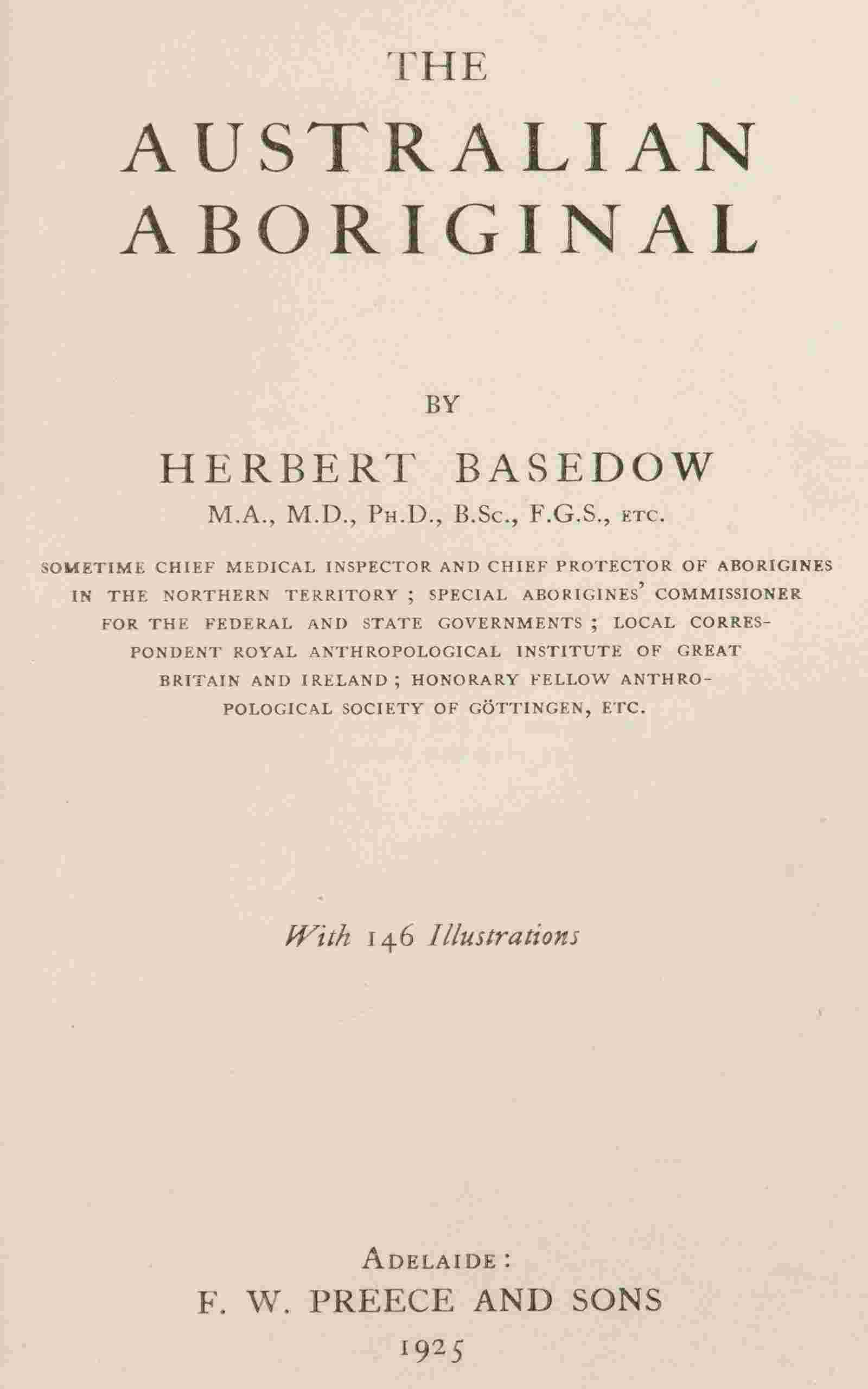
The book compiles extensive field observations from numerous expeditions across central and northern Australia into a systematic account of Indigenous peoples, combining physical and anthropological description with accounts of tribal organization, initiation rites, and religious beliefs. It examines ancestor worship, phallic and totemic cults, and the role of tjuringa and other ritual objects, and considers the evolution of artistic techniques and designs. Illustrated with many plates and field notes, the study maps regional variations in cults and material culture and discusses research methods and museum comparisons.