

About This Book
The author continues his autobiographical narrative of exile and public hostility, recounting decrees for his arrest, widespread denunciation in the press, and the baffling sense of being targeted by unseen forces. He describes warm domestic ties at Yverdon, his friendship with the Roguin family, an interrupted marriage arrangement, and provision of a small pavilion for his use. Pressured by magistrates, he accepts an offer of refuge in a furnished house at Motiers in the Val de Travers, reflects on the opaque combinations of motives and agents behind his misfortunes, and expresses unease about relying on a sovereign whose actions he finds troubling.
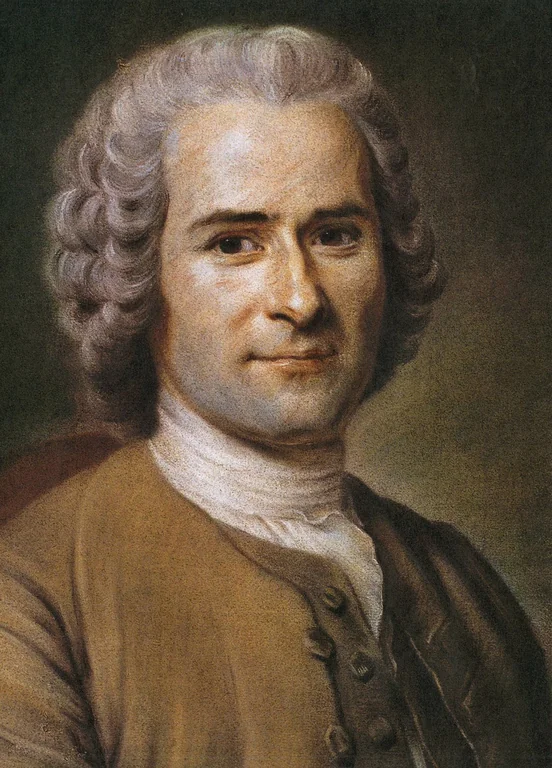
About the Author
More Books by This Author
6 picks
 A Discourse Upon the Origin and the Foundation of the Inequality Among Mankind
by Jean-Jacques Rousseau
A Discourse Upon the Origin and the Foundation of the Inequality Among Mankind
by Jean-Jacques Rousseau
 Egy magános sétáló álmodozásai
by Jean-Jacques Rousseau
Egy magános sétáló álmodozásai
by Jean-Jacques Rousseau
 Eloisa
by Jean-Jacques Rousseau
Eloisa
by Jean-Jacques Rousseau
 Emil, vagy a nevelésről
by Jean-Jacques Rousseau
Emil, vagy a nevelésről
by Jean-Jacques Rousseau
 Emile
by Jean-Jacques Rousseau
Emile
by Jean-Jacques Rousseau
 Les Rêveries du Promeneur Solitaire / Ouvrage faisant suite aux Confessions
by Jean-Jacques Rousseau
Les Rêveries du Promeneur Solitaire / Ouvrage faisant suite aux Confessions
by Jean-Jacques Rousseau
You May Also Like
6 picks
 "Billy" Sunday, the Man and His Message / With his own words which have won thousands for Christ
by William T. Ellis
"Billy" Sunday, the Man and His Message / With his own words which have won thousands for Christ
by William T. Ellis
 "Boots and Saddles"; Or, Life in Dakota with General Custer
by Elizabeth Bacon Custer
"Boots and Saddles"; Or, Life in Dakota with General Custer
by Elizabeth Bacon Custer
 "Born of the Spirit;" or, Gems from the Book of Life
by Zenas Osborne
"Born of the Spirit;" or, Gems from the Book of Life
by Zenas Osborne
 "Brother Bosch", an Airman's Escape from Germany
by Gerald Featherstone Knight
"Brother Bosch", an Airman's Escape from Germany
by Gerald Featherstone Knight
 "Buffalo Bill" from Prairie to Palace: An Authentic History of the Wild West
by John M. Burke
"Buffalo Bill" from Prairie to Palace: An Authentic History of the Wild West
by John M. Burke
 "Co. Aytch," Maury Grays, First Tennessee Regiment / Or, A Side Show of the Big Show
by Samuel R. Watkins
"Co. Aytch," Maury Grays, First Tennessee Regiment / Or, A Side Show of the Big Show
by Samuel R. Watkins