
-
LIST OF ILLUSTRATIONS
1. Off to the Dubu Dance—British New Guinea • Frontispiece
2. By Reef and Palm • 6
3. Off to Market, British New Guinea • 14
4. Motu Village from the Sea • 18
5. The Island of Elevera from the Mission Station, Port Moresby, British New Guinea • 20
6. Tree House in British New Guinea • 22
7. Motu Village, Port Moresby, British New Guinea • 24
8. In the Pile Dwellings at Hanuabada, Port Moresby, British New Guinea • 26
9. Native of British New Guinea, showing the manner of wearing the hair • 30
10. A New Guinea Dandy • 32
11. Woman with Baby in bag. Fairfax Island, British New Guinea • 34
12. Dinner Time at Kwato, British New Guinea • 36
13. A Kaivakuku, Roro Tribe, Central Division, British New Guinea • 48
14. Harvest Dance, New Guinea • 50
15. Ready for the Dubu Dance • 52
16. The Dubu at Rigo, British New Guinea • 54
17. Tattooing, British New Guinea. • 56
18. Large Trading Canoes, British New Guinea • 58
19. Old Women making Pottery, British New Guinea • 60
20. Spearing Fish, British New Guinea • 62
21. Marine Village, Tupusuli, British New Guinea • 64
22. Natives of the New Hebrides having a drink • 66
23. Gold Miners leaving a trading ship, British New Guinea • 72
24. Johnnie Pratt with his Ivory Nuts at Simbo, Solomon Islands • 74
25. Solomon Island Boy climbing after green cocoa-nuts, near Gavutu, New Florida • 80
26. Solomon Island Village, near Marau Sound, New Florida • 84
27. Early Morning, Gavutu, Solomon Islands • 86
28. Old Ingova’s War Canoe House, Rubiana Lagoon, New Georgia, Solomon Islands • 90
29. On the Fringe of a primæval Forest, Solomon Islands • 92
30. Portrait of a Solomon Island Cannibal • 94
31. Sacred Skull Shrines, British Solomon Islands • 96
32. Ingova’s Head-hunters, British Solomon Islands • 98
33. A Canoe showing the “Totoishu,” New Georgia, Solomon Islands • 100
34. A Lagoon in New Florida, Solomon Islands • 102
35. Native of New Georgia wearing Sunshade; a sort of crownless hat made of grasses: it can be worn at any angle • 104
36. A Rubiana Native, Solomon Islands • 106
37. A Stormy Day in Rubiana Lagoon, Solomon Islands • 108
38. Cooking the Meal, British New Guinea • 110
39. The Reef near Simbo, Solomon Islands • 114
40. Native Archer shooting Fish, British Solomon Islands • 116
41. Searching for small Octopi on the Reef at low tide, Samari, British New Guinea • 118
42. The Home of the Crocodile, British Solomon Islands • 122
43. A Shrine or Tomb of a Chief at Simbo, Solomon Islands • 126
44. Solomon Islander playing the “Ivivu” or Flute • 130
45. A Tapu Virgin, British Solomon Islands • 136
46. Beneath a Banyan Tree, Malekula Island, New Hebrides • 142
47. The Rapids, Williams River, Island of Eromanga, New Hebrides • 144
48. Mount Marion, the active Volcano, Island of Ambryn, New Hebrides • 146
49. A Village in Santo, New Hebrides • 148
50. Chief’s House, Ambryn, New Hebrides • 150
51. The “M’aki” Ground and the Jaws of the sacred Pigs, New Hebrides • 154
52. A Memorial Effigy, Malekula, New Hebrides • 156
53. Drum Grove at Mele, New Hebrides • 158
54. Leaving Santo, a View of the Mountains, New Hebrides • 162
55. A Sacred Man, Aoba, New Hebrides • 164
56. The Stone “Demits,” or the Souls, with their attendant wooden figures, Malekula Island, New Hebrides • 168
57. Old Cannibal Chief whom the Artist met on the Island of Aoba, New Hebrides • 172
58. Type of Man from the Island of Tanna, New Hebrides • 174
59. Finishing off a Canoe, British New Guinea • 176
60. Old War Canoes, near Malekula, New Hebrides • 178
61. Havannah Harbour, Rathmoy, New Hebrides • 180
62. Passing the Reef, Aoba, New Hebrides • 182
63. The Island of Samari, British New Guinea • 184
64. A Trader receiving Cocoa-nuts, Aoba, New Hebrides • 186
65. Copra Boys off to the Shore, New Hebrides • 188
66. The “Blackbirders” in the Solomon Islands • 190
67. A Yam Shed on the Island of Tierra Espiritu Santo, New Hebrides • 192
68. The Artist’s Guide on Malekula, New Hebrides • 196
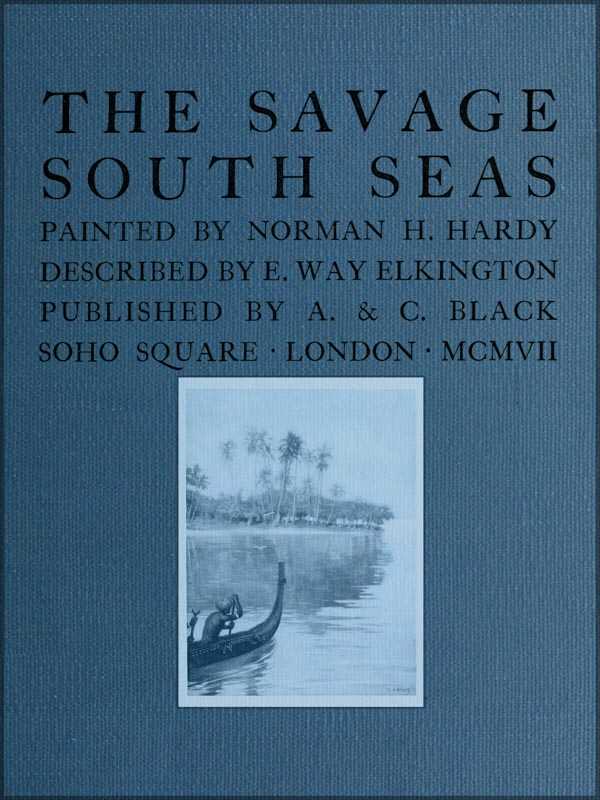
About This Book
The author offers a traveler's account of island life across British New Guinea, the Solomon Islands, and the New Hebrides, blending historical notes with firsthand observation. He describes village architecture, pile dwellings and tree houses, and the construction and use of outrigger canoes and large trading lakatois. Daily practices such as fishing techniques, food preparation, betel-nut chewing, and coiffure and ornamentation receive detailed attention. Social customs covered include courtship, marriage duties, dances, mourning rituals, and the roles of witchcraft and the evil eye. Religious practices range from ancestor worship to ritual temples and sacred effigies. Economic topics include copra cultivation, labor trafficking and the activities of traders, while final chapters sketch missionary encounters and notable historical episodes.