
About This Book
The study frames supernatural systems as paired mythology and ritual and examines how an arid, isolated environment shaped ceremonial life among the Hopi pueblo people of the Tusayan region. It outlines local physical conditions—scarce water, infertile soil, mesa-top villages, agricultural precariousness, and pressure from nomadic foes—and traces how these constraints influenced ritual practices, timing, and symbolic focus. By comparing universal cult components with environmentally driven variations, the work argues that climatic scarcity and defensive settlement patterns molded distinctive ceremonial adaptations while preserving core mythic elements within an otherwise conservative ritual tradition.
About the Author
More Books by This Author
6 picks
 Antiquities of the Mesa Verde National Park
by Jesse Walter Fewkes
Antiquities of the Mesa Verde National Park
by Jesse Walter Fewkes
 Antiquities of the Mesa Verde National Park: Cliff Palace
by Jesse Walter Fewkes
Antiquities of the Mesa Verde National Park: Cliff Palace
by Jesse Walter Fewkes
 Archeological Expedition to Arizona in 1895 / Seventeenth Annual Report of the Bureau of American Ethnology to the Secretary of the Smithsonian Institution, 1895-1896, Government Printing Office, Washington, 1898, pages 519-744
by Jesse Walter Fewkes
Archeological Expedition to Arizona in 1895 / Seventeenth Annual Report of the Bureau of American Ethnology to the Secretary of the Smithsonian Institution, 1895-1896, Government Printing Office, Washington, 1898, pages 519-744
by Jesse Walter Fewkes
 Archeological investigations in New Mexico, Colorado, and Utah
by Jesse Walter Fewkes
Archeological investigations in New Mexico, Colorado, and Utah
by Jesse Walter Fewkes
 Archeology of the lower Mimbres valley, New Mexico
by Jesse Walter Fewkes
Archeology of the lower Mimbres valley, New Mexico
by Jesse Walter Fewkes
 Catalogo de los Objetos Etnologicos y Arqueologicos Exhibidos por la Expedición Hemenway
by Jesse Walter Fewkes
Catalogo de los Objetos Etnologicos y Arqueologicos Exhibidos por la Expedición Hemenway
by Jesse Walter Fewkes
You May Also Like
6 picks
 "Five-Head" Creek; and Fish Drugging in the Pacific / 1901
by Louis Becke
"Five-Head" Creek; and Fish Drugging in the Pacific / 1901
by Louis Becke
 "Pennsylvania Dutch," and other essays
by Phebe Earle Gibbons
"Pennsylvania Dutch," and other essays
by Phebe Earle Gibbons
 "Sterminator Vesevo" (Vesuvius the great exterminator) / Diary of the Eruption of April 1906
by Matilde Serao
"Sterminator Vesevo" (Vesuvius the great exterminator) / Diary of the Eruption of April 1906
by Matilde Serao
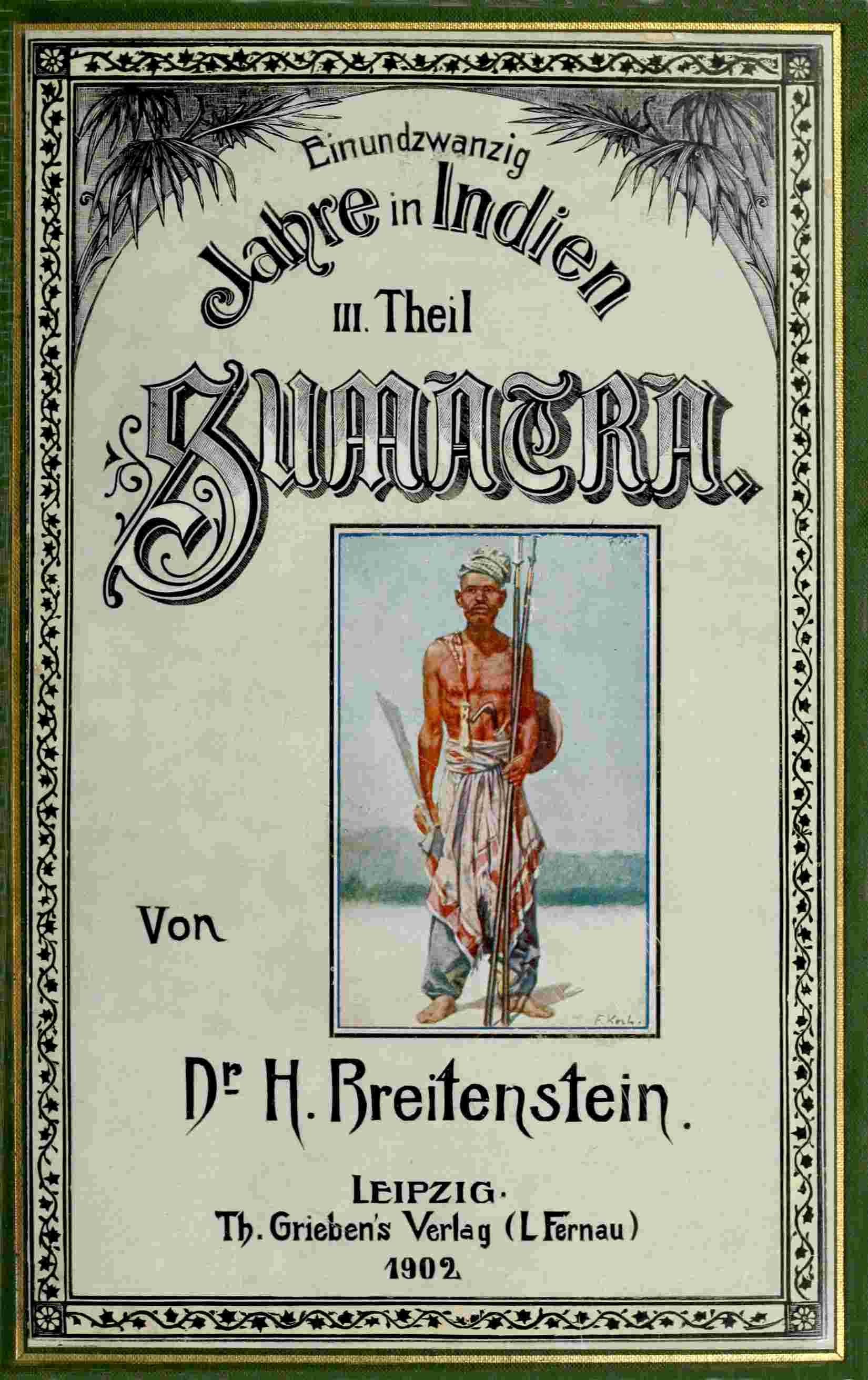 21 Jahre in Indien. Dritter Theil: Sumatra.
by Heinrich Breitenstein
21 Jahre in Indien. Dritter Theil: Sumatra.
by Heinrich Breitenstein
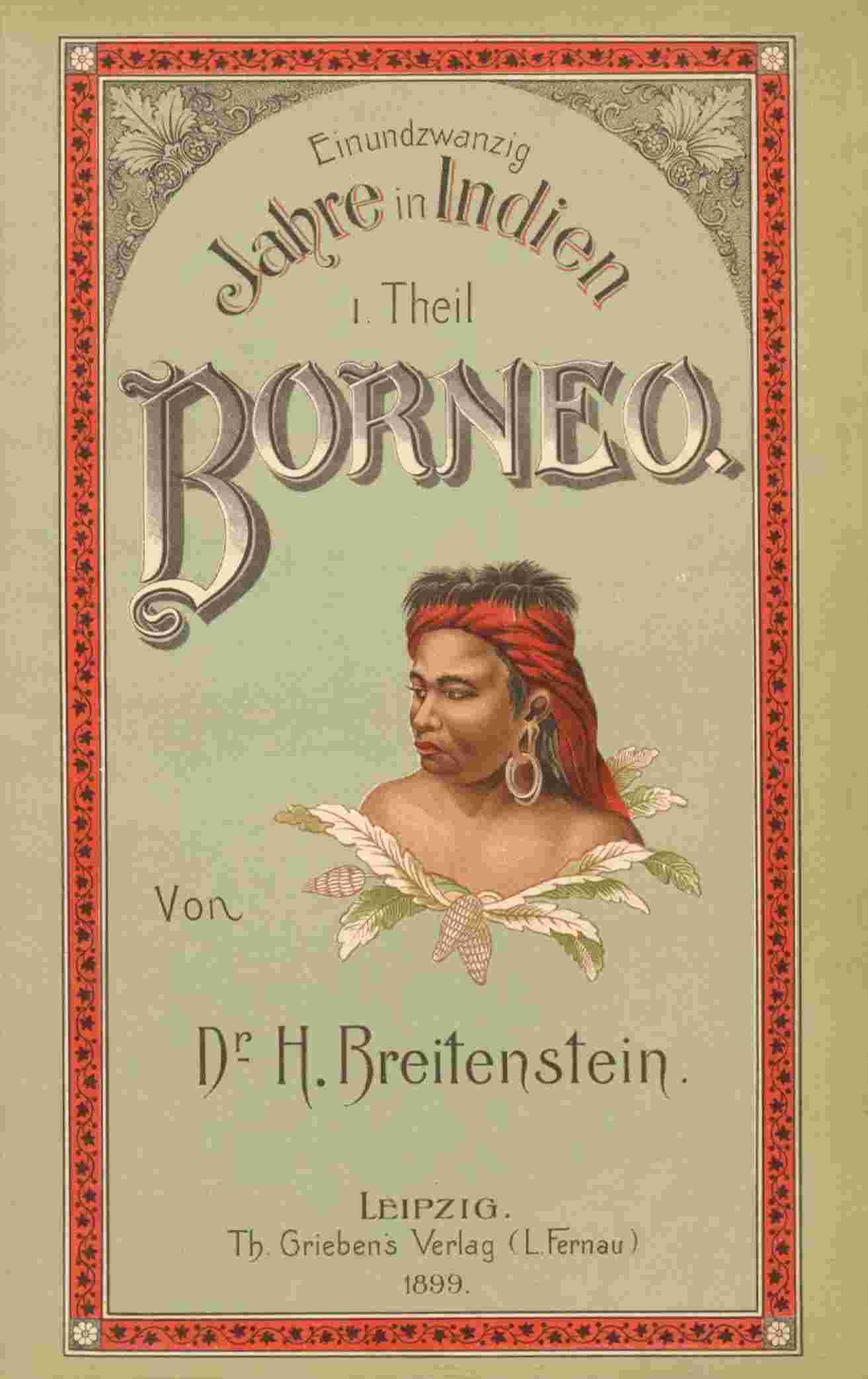 21 Jahre in Indien. Erster Theil: Borneo.
by Heinrich Breitenstein
21 Jahre in Indien. Erster Theil: Borneo.
by Heinrich Breitenstein
 A Bakony (1. kötet)
by Károly Eötvös
A Bakony (1. kötet)
by Károly Eötvös