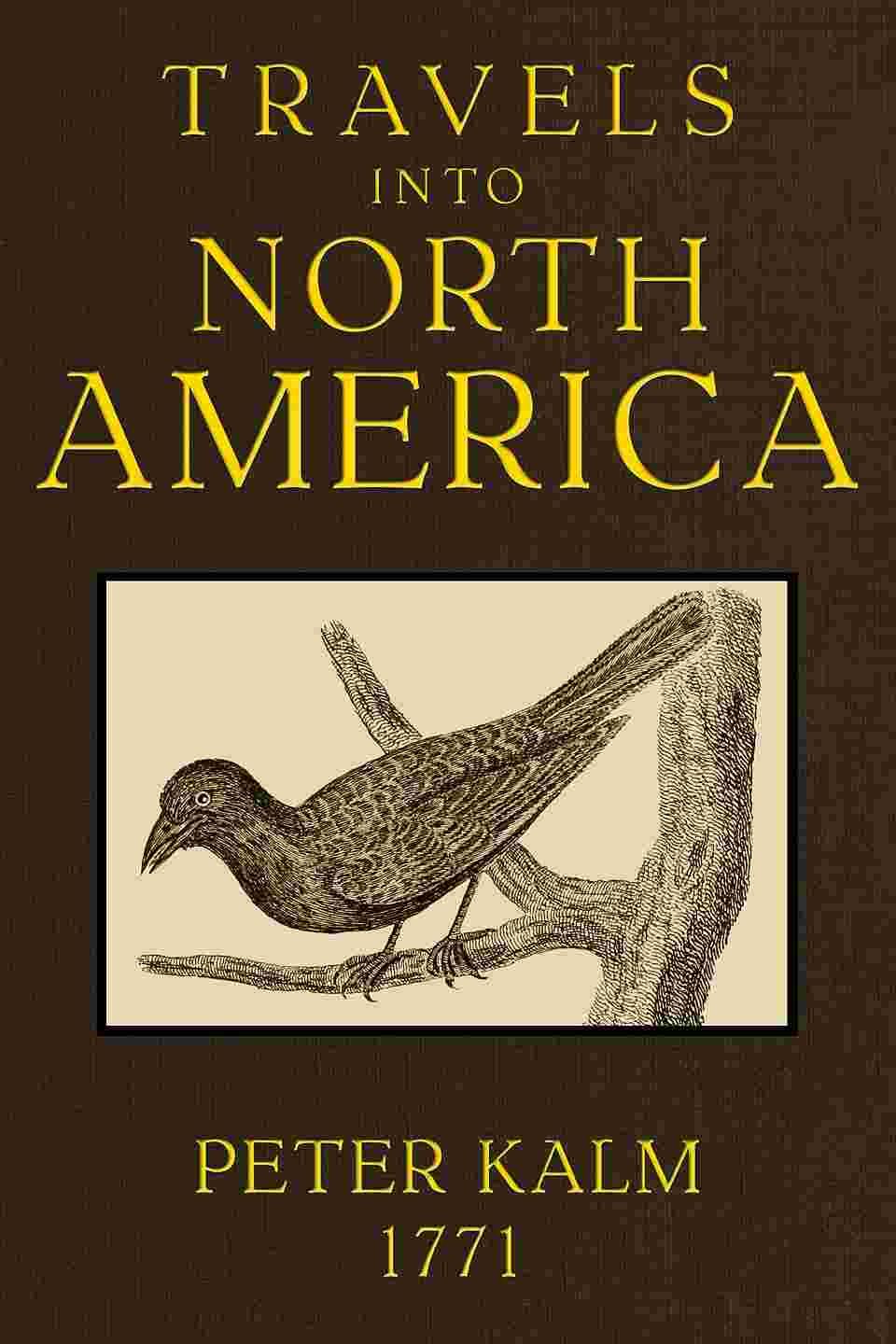
The volume offers an 18th-century traveler's systematic account of colonial North American settlements, combining natural history, agricultural practice, and social observation. It attributes rapid population growth to easy access to uncultivated land, low levies, and early marriage, illustrated through local family records. Detailed naturalist notes describe periodic swarms and caterpillar outbreaks, grass-worm infestations, and their cyclical damage to trees and crops. Domestic nuisances receive attention as well, with descriptions of clothes-eating moths, fleas, crickets, and bedbugs and their effects on household goods and animals. Interwoven with these reports are reflections on settlement patterns, farming methods, and contrasts with European conditions.