

About This Book
A Socratic inquiry examines whether virtue is teachable, natural, or acquired. Through questioning, participants probe the meaning of virtue, critique enumerations and attempt general definitions, and expose difficulties in defining universal qualities. A demonstration with an uneducated youth illustrates recollection and innate knowledge, prompting discussion of knowledge versus true belief. The dialogue explores methodological issues about definition, Socratic elenchus, and the possibility and limits of teaching moral excellence, ending without a definitive resolution but clarifying distinctions central to epistemology and ethics.
About the Author

More Books by This Author
6 picks




You May Also Like
6 picks
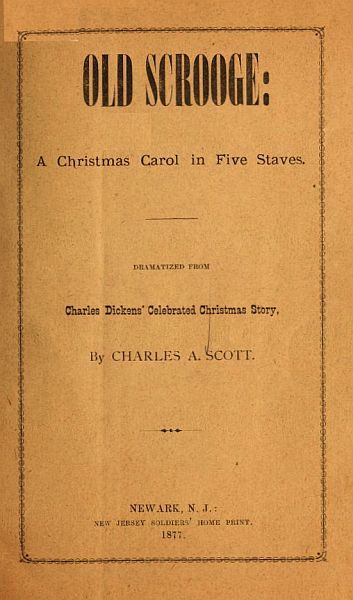 "Old Scrooge": A Christmas Carol in Five Staves. / Dramatized from Charles Dickens' Celebrated Christmas Story.
by Charles Augustus Scott
"Old Scrooge": A Christmas Carol in Five Staves. / Dramatized from Charles Dickens' Celebrated Christmas Story.
by Charles Augustus Scott
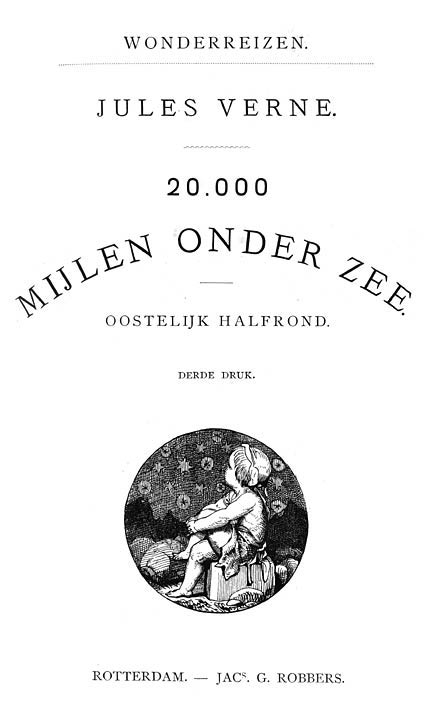 20.000 Mijlen onder Zee: Oostelijk Halfrond
by Jules Verne
20.000 Mijlen onder Zee: Oostelijk Halfrond
by Jules Verne
 20.000 Mijlen onder Zee: Westelijk Halfrond
by Jules Verne
20.000 Mijlen onder Zee: Westelijk Halfrond
by Jules Verne
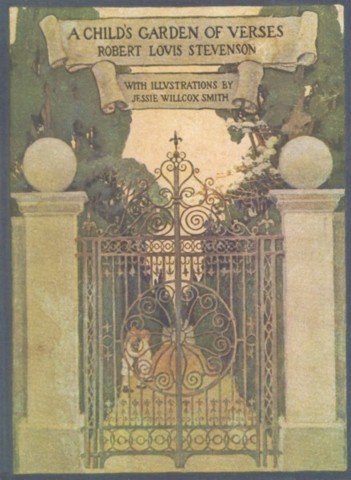 A Child's Garden of Verses
by Robert Louis Stevenson
A Child's Garden of Verses
by Robert Louis Stevenson
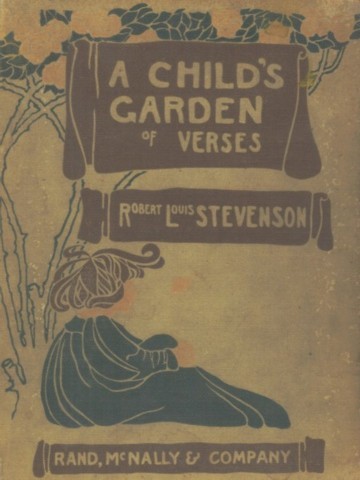 A Child's Garden of Verses
by Robert Louis Stevenson
A Child's Garden of Verses
by Robert Louis Stevenson
 A Child's Garden of Verses
by Robert Louis Stevenson
A Child's Garden of Verses
by Robert Louis Stevenson