

About This Book
A short Platonic dialogue presents an interlocutor who delivers a formal funeral oration praising the city’s ancestors, recounting martial deeds, and celebrating civic virtues and the role of women in producing citizens. The speech mixes lofty rhetoric, mythic genealogy, and moral exhortation, producing an effect that alternates between sincere civic praise and subtle parody. By foregrounding the mechanics of public encomium, the piece examines how rhetoric constructs collective memory and exposes tensions between persuasive display and philosophical scrutiny.
About the Author

More Books by This Author
6 picks





You May Also Like
6 picks
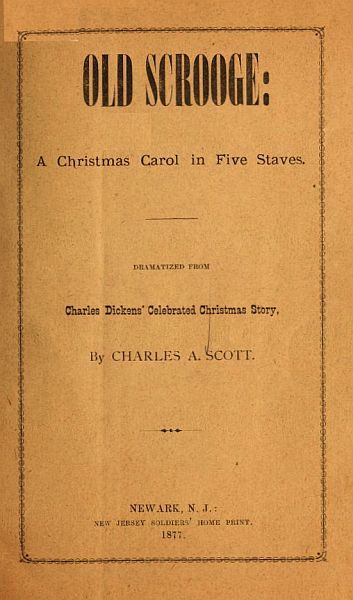 "Old Scrooge": A Christmas Carol in Five Staves. / Dramatized from Charles Dickens' Celebrated Christmas Story.
by Charles Augustus Scott
"Old Scrooge": A Christmas Carol in Five Staves. / Dramatized from Charles Dickens' Celebrated Christmas Story.
by Charles Augustus Scott
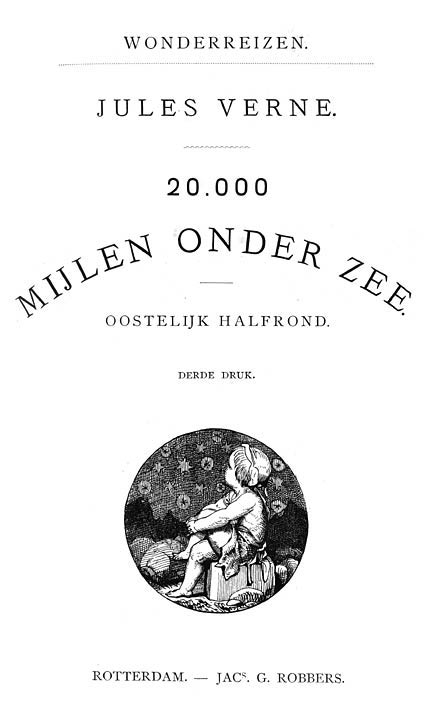 20.000 Mijlen onder Zee: Oostelijk Halfrond
by Jules Verne
20.000 Mijlen onder Zee: Oostelijk Halfrond
by Jules Verne
 20.000 Mijlen onder Zee: Westelijk Halfrond
by Jules Verne
20.000 Mijlen onder Zee: Westelijk Halfrond
by Jules Verne
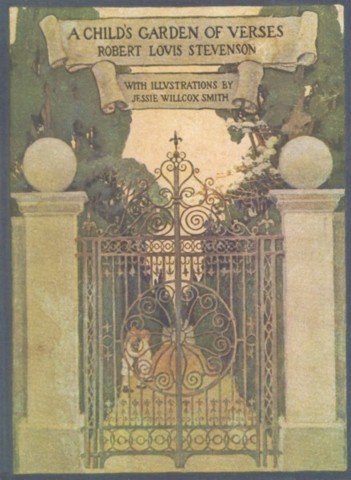 A Child's Garden of Verses
by Robert Louis Stevenson
A Child's Garden of Verses
by Robert Louis Stevenson
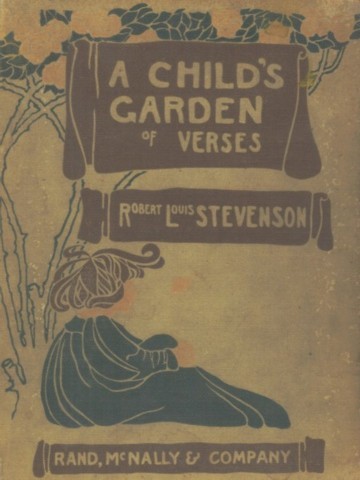 A Child's Garden of Verses
by Robert Louis Stevenson
A Child's Garden of Verses
by Robert Louis Stevenson
 A Child's Garden of Verses
by Robert Louis Stevenson
A Child's Garden of Verses
by Robert Louis Stevenson