

About This Book
A Socratic dialogue stages an inquiry into the nature and possibility of knowledge as Socrates interrogates a younger interlocutor. They test successive definitions—knowledge as perception, knowledge as true opinion, and knowledge as true opinion with an account—and expose paradoxes that challenge each formulation. The argument probes how perception, language, and thought relate, examines how false belief can occur, and uses the midwife metaphor for philosophical elicitation. The discussion ends without a definitive answer, highlighting methodological rigor and an aporetic conclusion rather than settled doctrine.
About the Author

More Books by This Author
6 picks




You May Also Like
6 picks
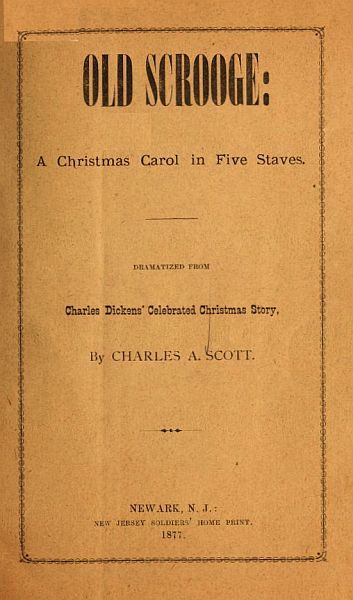 "Old Scrooge": A Christmas Carol in Five Staves. / Dramatized from Charles Dickens' Celebrated Christmas Story.
by Charles Augustus Scott
"Old Scrooge": A Christmas Carol in Five Staves. / Dramatized from Charles Dickens' Celebrated Christmas Story.
by Charles Augustus Scott
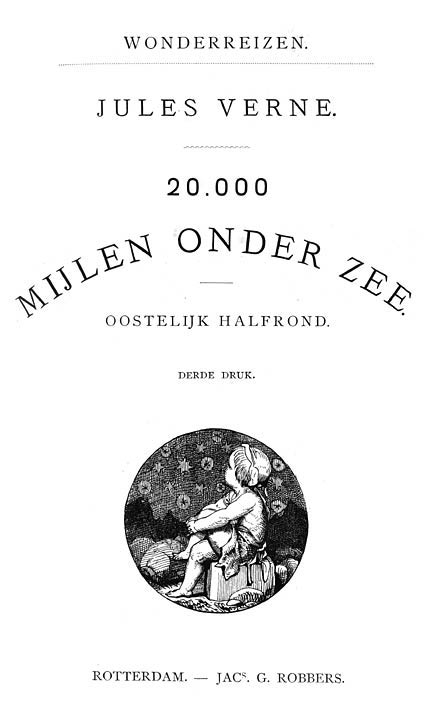 20.000 Mijlen onder Zee: Oostelijk Halfrond
by Jules Verne
20.000 Mijlen onder Zee: Oostelijk Halfrond
by Jules Verne
 20.000 Mijlen onder Zee: Westelijk Halfrond
by Jules Verne
20.000 Mijlen onder Zee: Westelijk Halfrond
by Jules Verne
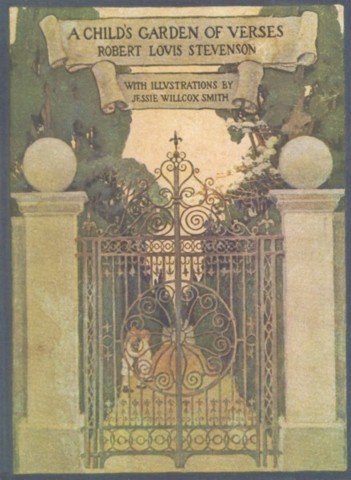 A Child's Garden of Verses
by Robert Louis Stevenson
A Child's Garden of Verses
by Robert Louis Stevenson
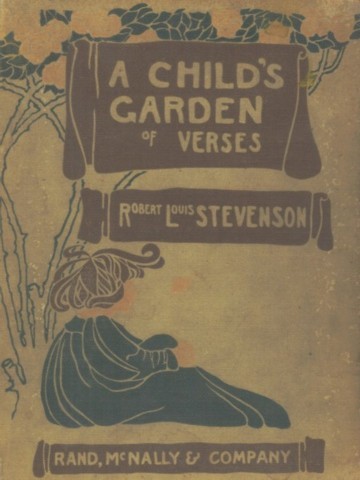 A Child's Garden of Verses
by Robert Louis Stevenson
A Child's Garden of Verses
by Robert Louis Stevenson
 A Child's Garden of Verses
by Robert Louis Stevenson
A Child's Garden of Verses
by Robert Louis Stevenson