
About This Book
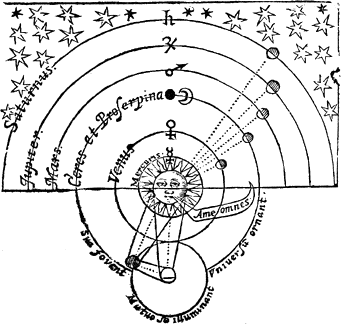
The author argues that the Moon may be a second habitable world, assembling probable astronomical and natural philosophical observations to support this claim. He examines lunar appearance, phases, and eclipses to argue for reflective rather than self-luminous light, compares surface features to terrestrial geography, and considers whether an atmosphere, water, and vegetation could exist. He explores implications for inhabitants' bodies and senses, discusses mechanisms of travel and communication between Earth and Moon, and answers common objections by weighing probabilities rather than claiming certainty. Throughout the discourse he interweaves empirical observation, thought experiments, and moral and theological reflections on the plurality of worlds.
About the Author

You May Also Like
 "About My Father's Business": Work Amidst the Sick, the Sad, and the Sorrowing
by Thomas Archer
"About My Father's Business": Work Amidst the Sick, the Sad, and the Sorrowing
by Thomas Archer
 "Beautiful Thoughts"
by Henry Drummond
"Beautiful Thoughts"
by Henry Drummond
 "Bethink Yourselves!"
by graf Leo Tolstoy
"Bethink Yourselves!"
by graf Leo Tolstoy
 "How Can I Help to Abolish Slavery?" or, Counsels to the Newly Converted
by Maria Weston Chapman
"How Can I Help to Abolish Slavery?" or, Counsels to the Newly Converted
by Maria Weston Chapman
 "I Believe" and other essays
by Guy Thorne
"I Believe" and other essays
by Guy Thorne
 "Imperialism" and "The Tracks of Our Forefathers"
by Charles Francis Adams
"Imperialism" and "The Tracks of Our Forefathers"
by Charles Francis Adams