
About This Book
The essay traces the life and thought of Ralph Waldo Emerson, recounting his New England upbringing, brief ministry and resignation, European travels, Concord residence, friendships with literary contemporaries, publication of essays, lectures, and poems, and later years. It examines his style and lecturing manner, noting simplicity, sincerity, and distinctive use of language, and appraises his verses and library. Morley situates Emerson's ideas within the intuitive, a priori tradition derived from Coleridge and Kant, characterizing his transcendentalism as essentially ethical and poetic rather than systematic philosophy, and discusses recurring themes such as solitude, moral reform, domestic manners, and the guidance his teaching offers to individual spiritual life.
About the Author

More Books by This Author
 Burke
by John Morley
Burke
by John Morley
 Critical Miscellanies (Vol 2 of 3), Essay 1: Vauvenargues
by John Morley
Critical Miscellanies (Vol 2 of 3), Essay 1: Vauvenargues
by John Morley
 Critical Miscellanies (Vol. 1 of 3), Essay 1: Robespierre
by John Morley
Critical Miscellanies (Vol. 1 of 3), Essay 1: Robespierre
by John Morley
 Critical Miscellanies (Vol. 2 of 3), Essay 2: Turgot
by John Morley
Critical Miscellanies (Vol. 2 of 3), Essay 2: Turgot
by John Morley
 Critical Miscellanies (Vol. 2 of 3), Essay 3: Condorcet
by John Morley
Critical Miscellanies (Vol. 2 of 3), Essay 3: Condorcet
by John Morley
 Critical Miscellanies (Vol. 2 of 3), Essay 4: Joseph de Maistre
by John Morley
Critical Miscellanies (Vol. 2 of 3), Essay 4: Joseph de Maistre
by John Morley
You May Also Like
 "All's not Gold that Glitters;" or, The Young Californian
by Alice B. Haven
"All's not Gold that Glitters;" or, The Young Californian
by Alice B. Haven
 "Bring Me His Ears"
by Clarence Edward Mulford
"Bring Me His Ears"
by Clarence Edward Mulford
 "Browne's Folly" / (From: "The Doliver Romance and Other Pieces: Tales and Sketches")
by Nathaniel Hawthorne
"Browne's Folly" / (From: "The Doliver Romance and Other Pieces: Tales and Sketches")
by Nathaniel Hawthorne
 "Forward, March": A Tale of the Spanish-American War
by Kirk Munroe
"Forward, March": A Tale of the Spanish-American War
by Kirk Munroe
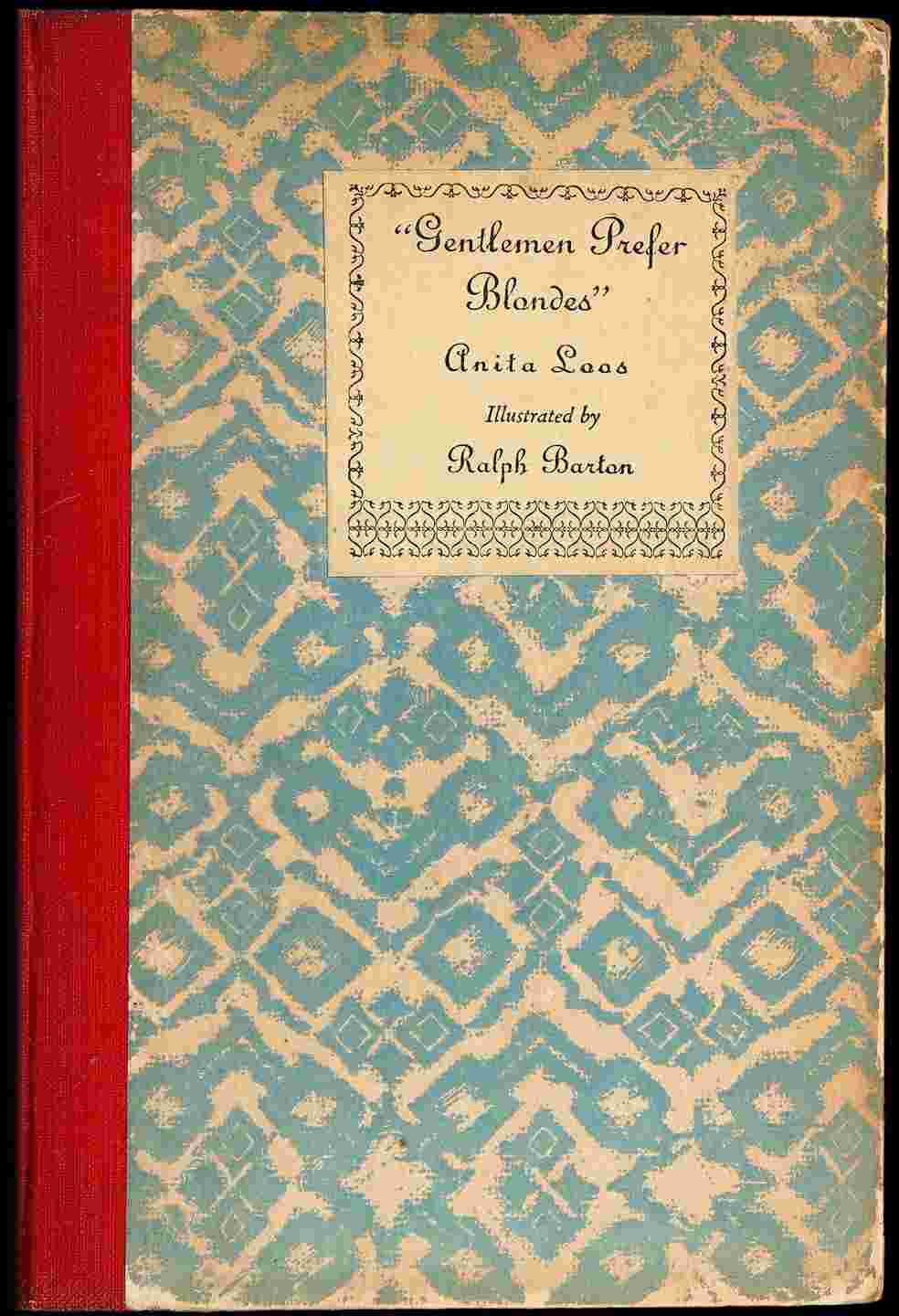 "Gentlemen prefer blondes"
by Anita Loos
"Gentlemen prefer blondes"
by Anita Loos
 "George Washington's" Last Duel / 1891
by Thomas Nelson Page
"George Washington's" Last Duel / 1891
by Thomas Nelson Page