

About This Book
This work examines the penal system in ancient India as outlined in the Code of Manu, one of the earliest known legal texts. It discusses the complexities of Indian law, including the intertwining of religious, civil, and criminal regulations. The text highlights the role of the king as the primary judge and executor of justice, alongside the hierarchical caste system that influences legal outcomes. The author analyzes various aspects of punishment, including the types of crimes and penalties prescribed, while also addressing the vagueness in procedural details. The work provides insights into the historical context of Indian jurisprudence and its foundational principles.
About the Author

You May Also Like
6 picks
 "De Bello Gallico" and Other Commentaries
by Julius Caesar
"De Bello Gallico" and Other Commentaries
by Julius Caesar
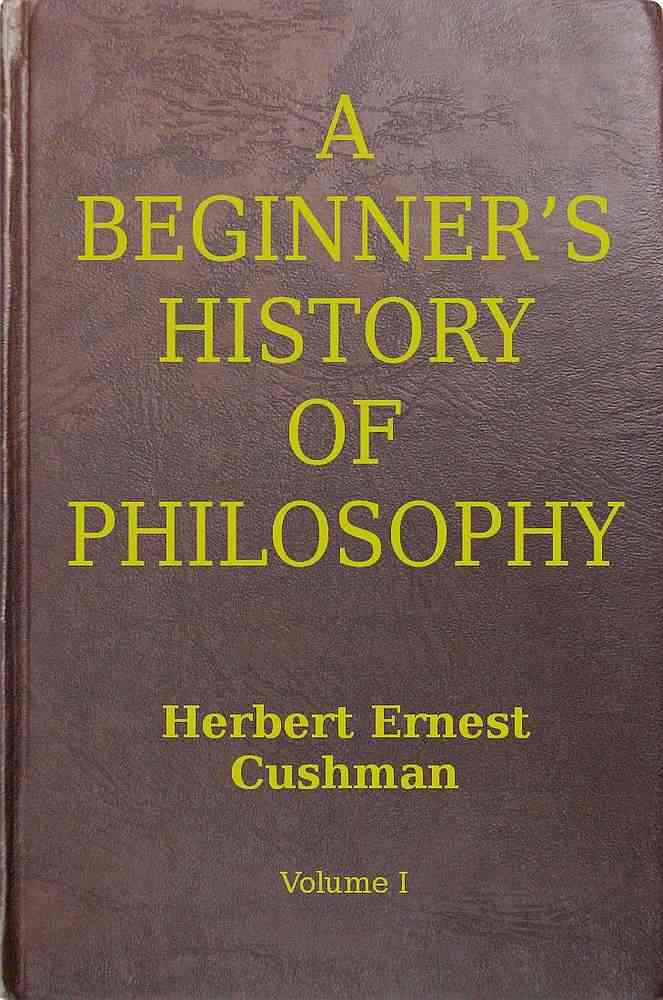 A Beginner's History of Philosophy, Vol. 1: Ancient and Mediæval Philosophy
by Herbert Ernest Cushman
A Beginner's History of Philosophy, Vol. 1: Ancient and Mediæval Philosophy
by Herbert Ernest Cushman
 A Brief History of Element Discovery, Synthesis, and Analysis
by Glen W. Watson
A Brief History of Element Discovery, Synthesis, and Analysis
by Glen W. Watson
 A Burial Cave in Baja California / The Palmer Collection, 1887
by William C. Massey
A Burial Cave in Baja California / The Palmer Collection, 1887
by William C. Massey
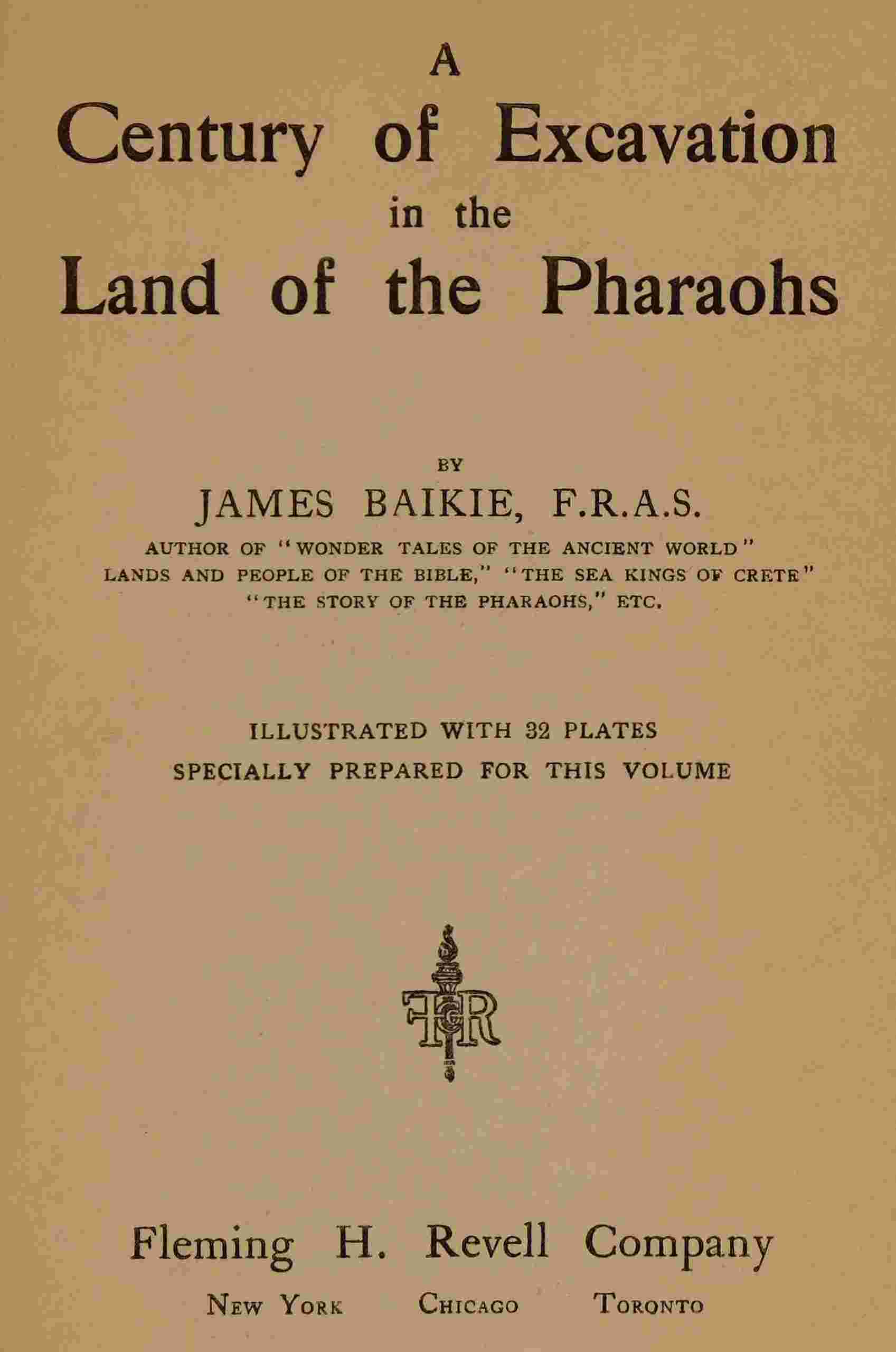 A century of excavation in the land of the Pharaohs
by James Baikie
A century of excavation in the land of the Pharaohs
by James Baikie
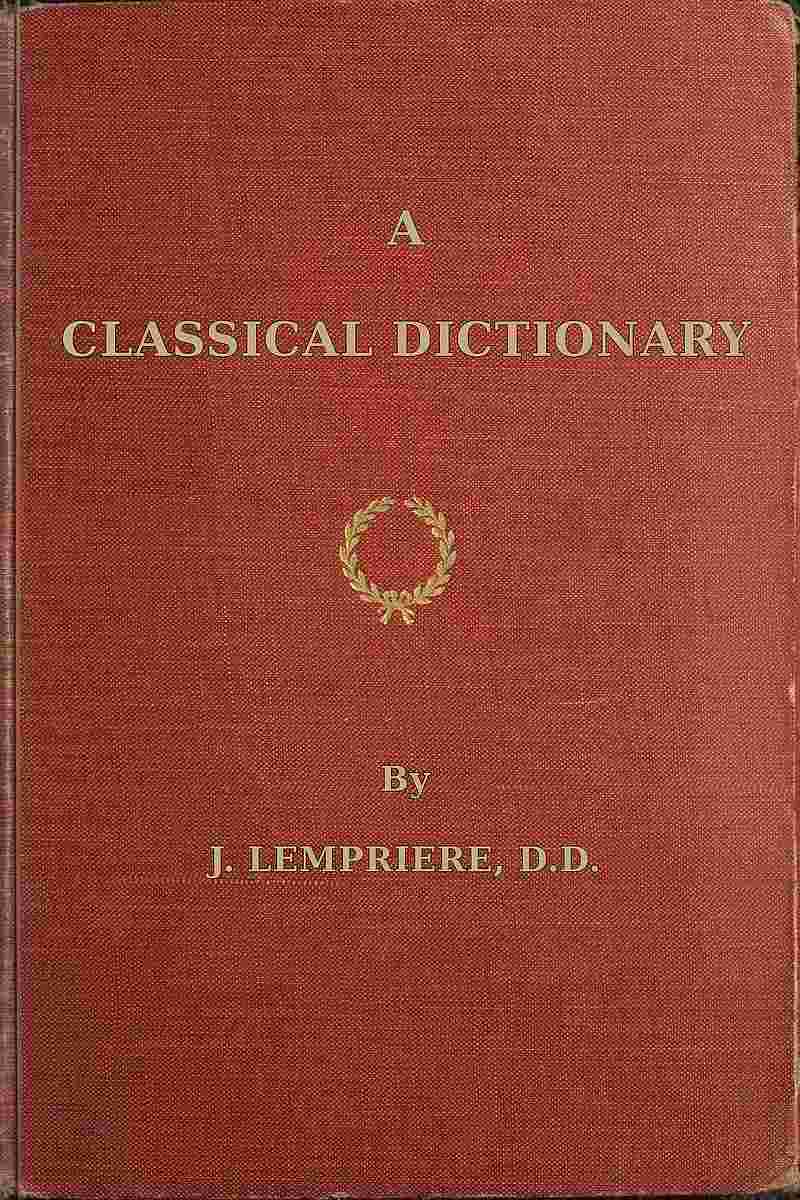 A classical dictionary / containing a copious account of all the proper names mentioned in ancient authors with tables of coins, weights, and measures used among the Greeks and Romans and a chronological table
by John Lemprière
A classical dictionary / containing a copious account of all the proper names mentioned in ancient authors with tables of coins, weights, and measures used among the Greeks and Romans and a chronological table
by John Lemprière