
About This Book
A comparative study traces how beliefs about water, kingship, and renewal produced the dragon motif, beginning as a beneficent personification of life-giving waters and associated rulers, then transforming as myths of aging kings, sacrificial demands by a Great Mother figure, and substitutive rituals produced an enemy figure. The work maps parallels between Near Eastern, Indian, Chinese and American iconography and rain-deities, examines conflation with other legendary conflicts, and argues that the dragon narrative evolved through ritual, symbolism, and cultural transmission, illustrated by archaeological and textual examples drawn from mythic and ritual traditions.
About the Author

More Books by This Author
3 picks
 Shell shock and its lessons
by Grafton Elliot Smith
Shell shock and its lessons
by Grafton Elliot Smith
 The migrations of early culture / A study of the significance of the geographical distribution of the practice of mummification as evidence of the migrations of peoples and the spread of certain customs and beliefs
by Grafton Elliot Smith
The migrations of early culture / A study of the significance of the geographical distribution of the practice of mummification as evidence of the migrations of peoples and the spread of certain customs and beliefs
by Grafton Elliot Smith
 Tutankhamen and the Discovery of His Tomb by the Late Earl of Carnarvon and Mr. Howard Carter
by Grafton Elliot Smith
Tutankhamen and the Discovery of His Tomb by the Late Earl of Carnarvon and Mr. Howard Carter
by Grafton Elliot Smith
You May Also Like
6 picks
 "Five-Head" Creek; and Fish Drugging in the Pacific / 1901
by Louis Becke
"Five-Head" Creek; and Fish Drugging in the Pacific / 1901
by Louis Becke
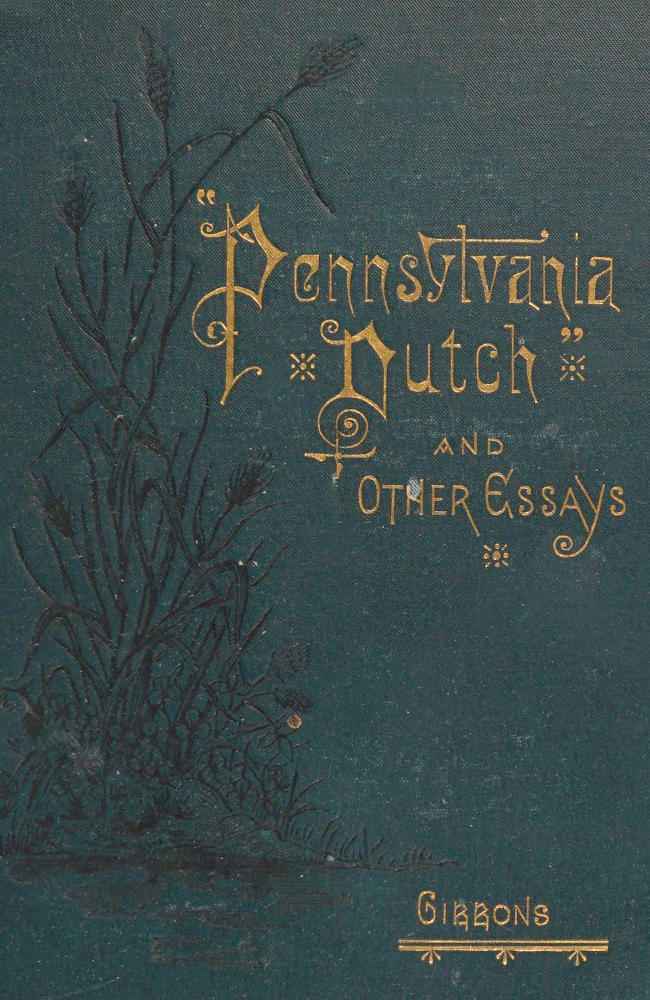 "Pennsylvania Dutch," and other essays
by Phebe Earle Gibbons
"Pennsylvania Dutch," and other essays
by Phebe Earle Gibbons
 "Sterminator Vesevo" (Vesuvius the great exterminator) / Diary of the Eruption of April 1906
by Matilde Serao
"Sterminator Vesevo" (Vesuvius the great exterminator) / Diary of the Eruption of April 1906
by Matilde Serao
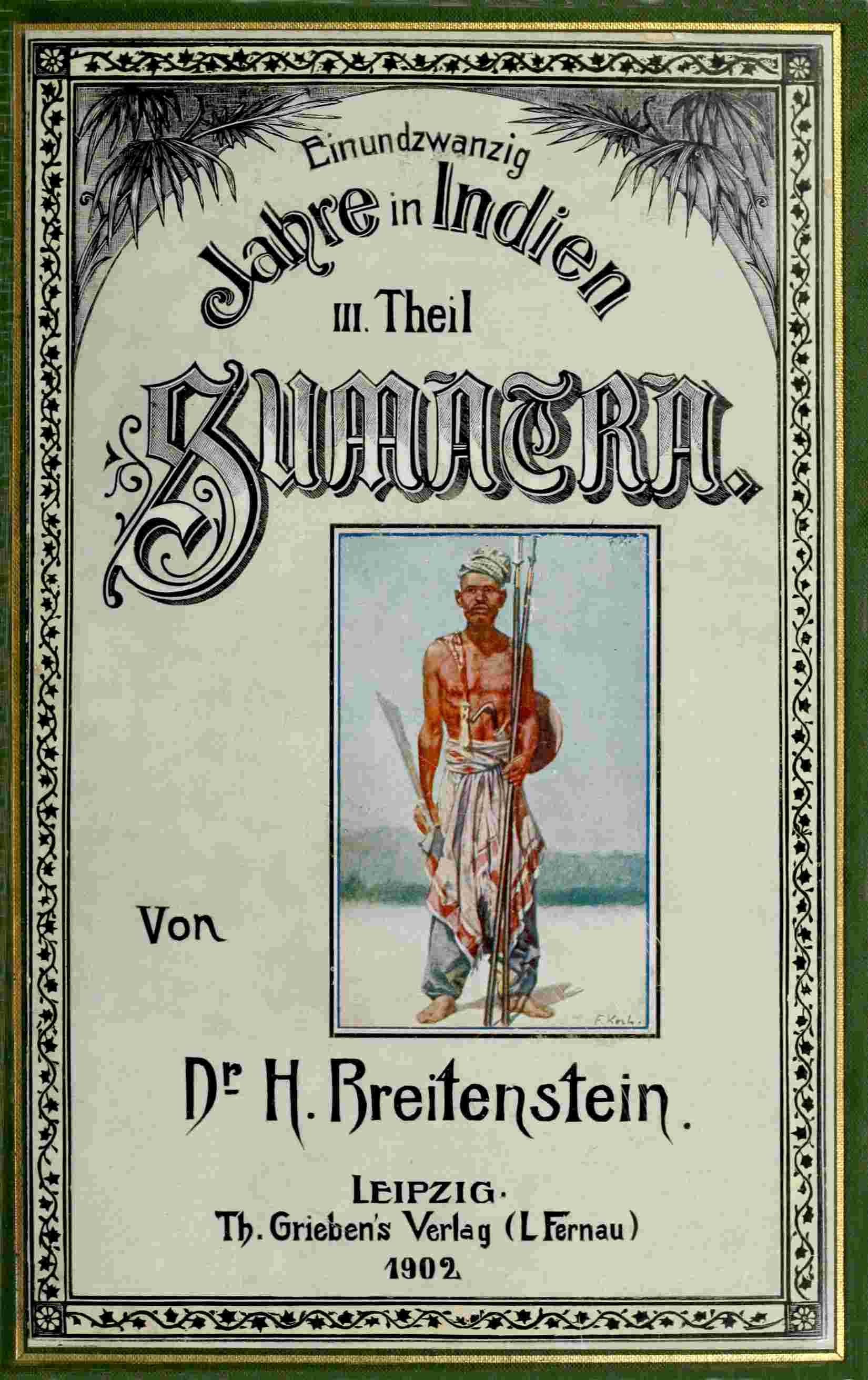 21 Jahre in Indien. Dritter Theil: Sumatra.
by Heinrich Breitenstein
21 Jahre in Indien. Dritter Theil: Sumatra.
by Heinrich Breitenstein
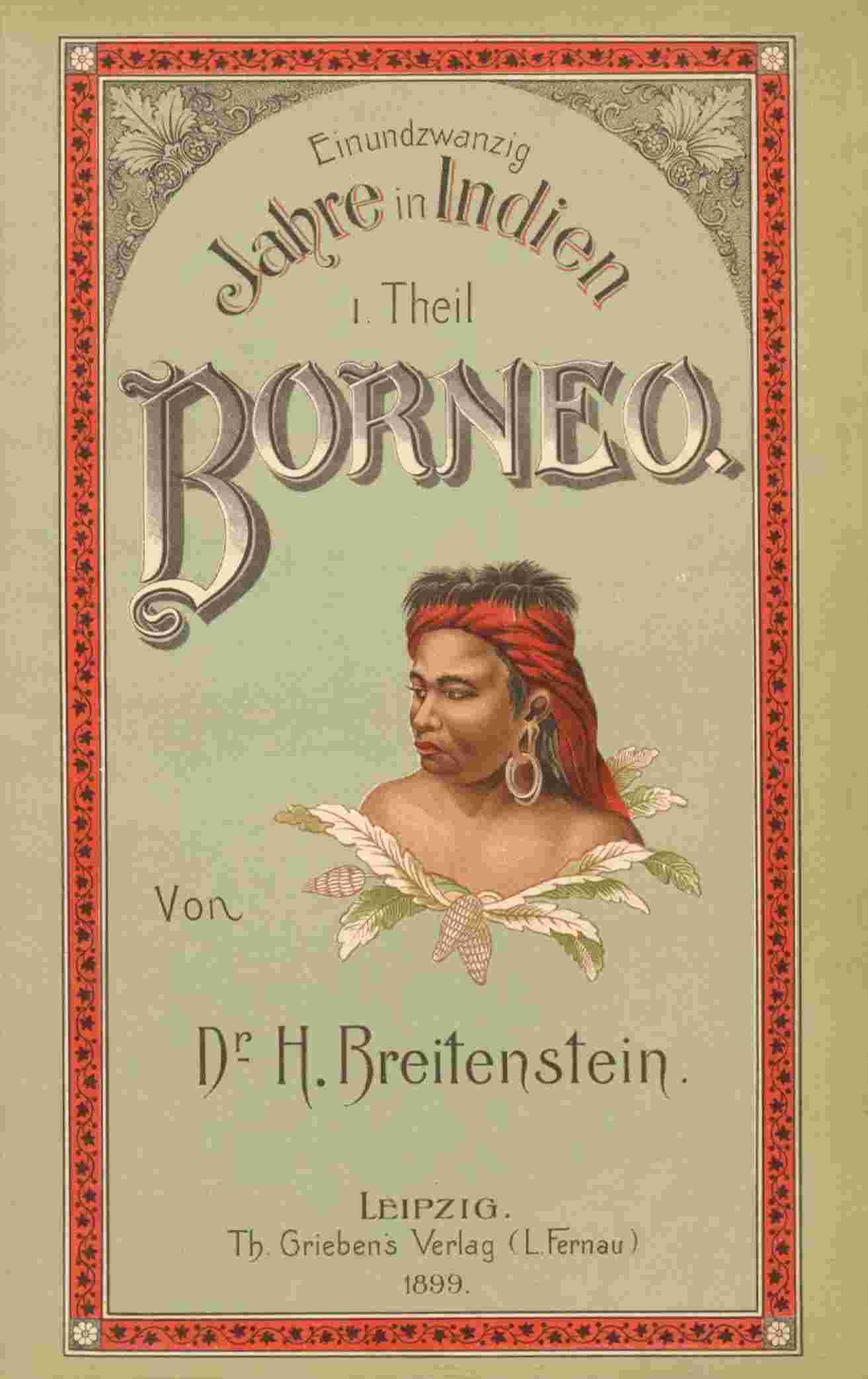 21 Jahre in Indien. Erster Theil: Borneo.
by Heinrich Breitenstein
21 Jahre in Indien. Erster Theil: Borneo.
by Heinrich Breitenstein
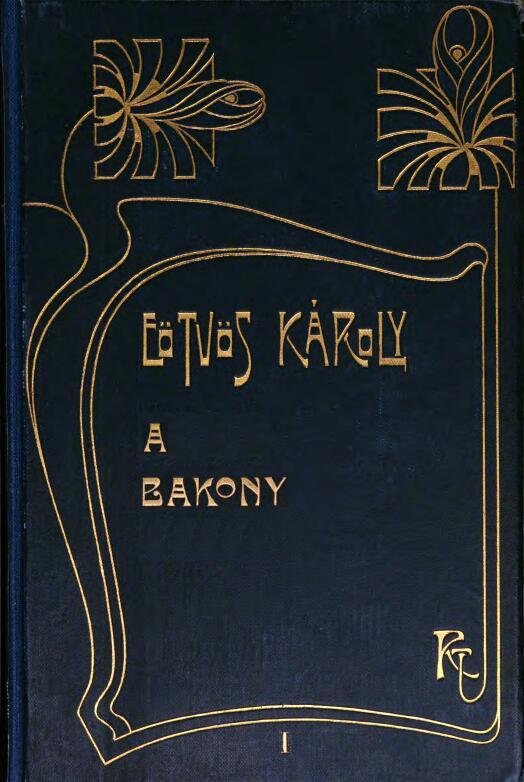 A Bakony (1. kötet)
by Károly Eötvös
A Bakony (1. kötet)
by Károly Eötvös