
About This Book
The work analyzes the transformation of religious and educational institutions under a centralized imperial regime. It traces how a concordat and administrative reforms subordinated the Catholic hierarchy to state authority, giving the head of state decisive influence over episcopal appointments, clerical salaries, rites, and discipline, while constraining the pope's autonomy. It then examines public instruction as a designed machinery: centralized ministries, standardized curricula, primary and higher schools shaped to produce obedient citizens, military preparation, and an official catechism. The study critiques state dominance over science and censorship, contrasts exam-driven pedagogy with apprenticeship, and sketches the institutional evolution and lingering Church–State monopoly into the later nineteenth century.
About the Author

More Books by This Author
 A Tour Through the Pyrenees
by Hippolyte Taine
A Tour Through the Pyrenees
by Hippolyte Taine
 Du suffrage universel et de la manière de voter
by Hippolyte Taine
Du suffrage universel et de la manière de voter
by Hippolyte Taine
 Histoire de la Littérature Anglaise (Volume 1 de 5)
by Hippolyte Taine
Histoire de la Littérature Anglaise (Volume 1 de 5)
by Hippolyte Taine
 Histoire de la Littérature Anglaise (Volume 2 de 5)
by Hippolyte Taine
Histoire de la Littérature Anglaise (Volume 2 de 5)
by Hippolyte Taine
 Histoire de la Littérature Anglaise (Volume 3 de 5)
by Hippolyte Taine
Histoire de la Littérature Anglaise (Volume 3 de 5)
by Hippolyte Taine
 Histoire de la Littérature Anglaise (Volume 4 de 5)
by Hippolyte Taine
Histoire de la Littérature Anglaise (Volume 4 de 5)
by Hippolyte Taine
You May Also Like
 "1683-1920" / The Fourteen Points and What Became of Them—Foreign Propaganda in the Public Schools—Rewriting the History of the United States—The Espionage Act and How It Worked—"Illegal and Indefensible Blockade" of the Central Powers—1,000,000 Victims of Starvation—Our Debt to France and to Germany—The War Vote in Congress—Truth About the Belgian Atrocities—Our Treaty with Germany and How Observed—The Alien Property Custodianship—Secret Will of Cecil Rhodes—Racial Strains in American Life—Germantown Settlement of 1683 and a Thousand Other Topics
by Frederick Franklin Schrader
"1683-1920" / The Fourteen Points and What Became of Them—Foreign Propaganda in the Public Schools—Rewriting the History of the United States—The Espionage Act and How It Worked—"Illegal and Indefensible Blockade" of the Central Powers—1,000,000 Victims of Starvation—Our Debt to France and to Germany—The War Vote in Congress—Truth About the Belgian Atrocities—Our Treaty with Germany and How Observed—The Alien Property Custodianship—Secret Will of Cecil Rhodes—Racial Strains in American Life—Germantown Settlement of 1683 and a Thousand Other Topics
by Frederick Franklin Schrader
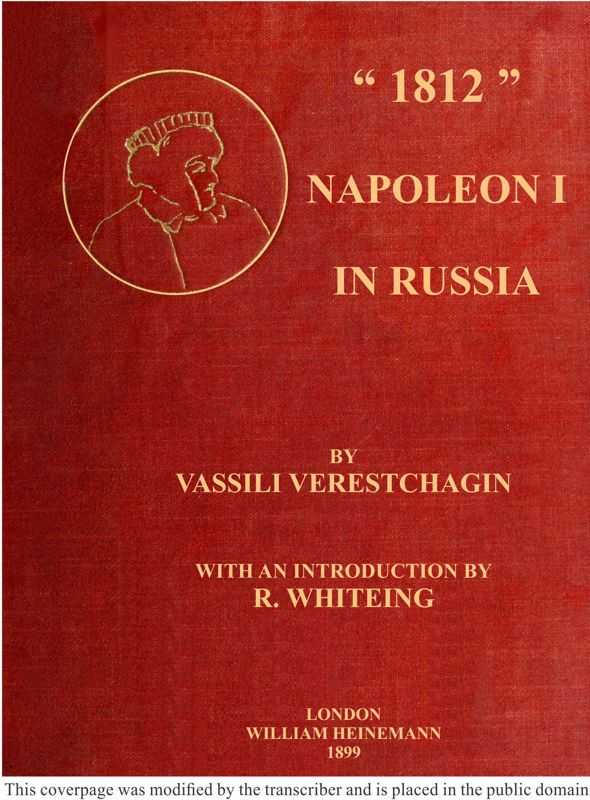 "1812"
by Vasilïĭ Vasilʹevich Vereshchagin
"1812"
by Vasilïĭ Vasilʹevich Vereshchagin
 "Barbarous Soviet Russia"
by Isaac McBride
"Barbarous Soviet Russia"
by Isaac McBride
 "Brother Bosch", an Airman's Escape from Germany
by Gerald Featherstone Knight
"Brother Bosch", an Airman's Escape from Germany
by Gerald Featherstone Knight
 "Monsieur Henri": A Foot-Note to French History
by Louise Imogen Guiney
"Monsieur Henri": A Foot-Note to French History
by Louise Imogen Guiney
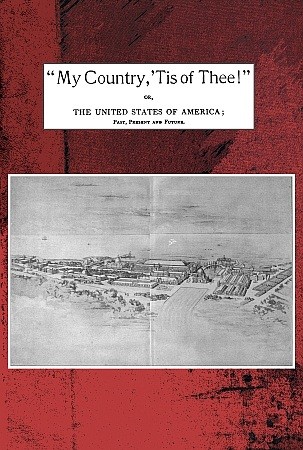 "My country, 'tis of thee!" / Or, the United States of America; past, present and future. A philosophic view of American history and of our present status, to be seen in the Columbian exhibition.
by Willis Fletcher Johnson
"My country, 'tis of thee!" / Or, the United States of America; past, present and future. A philosophic view of American history and of our present status, to be seen in the Columbian exhibition.
by Willis Fletcher Johnson