

About This Book
The author offers a political and historical analysis of repeated 19th-century upheavals in France, arguing that a highly centralized state and fragile institutions made authority susceptible to abrupt popular seizures. He examines moments when rumors or small conspiracies momentarily commanded the capital, critiques the February upheaval as a largely unplanned and reckless overthrow that yielded an improvised republican administration, and traces how provincial resistance, bourgeois desires for order and respect for property, and moderate leadership checked radical excesses. The narrative reflects on the paradox of a refined society succumbing to popular violence, the limitations of parliamentary life under despotic structures, and the wider consequences for national cohesion and continental affairs.
About the Author

More Books by This Author



You May Also Like
 "1683-1920" / The Fourteen Points and What Became of Them—Foreign Propaganda in the Public Schools—Rewriting the History of the United States—The Espionage Act and How It Worked—"Illegal and Indefensible Blockade" of the Central Powers—1,000,000 Victims of Starvation—Our Debt to France and to Germany—The War Vote in Congress—Truth About the Belgian Atrocities—Our Treaty with Germany and How Observed—The Alien Property Custodianship—Secret Will of Cecil Rhodes—Racial Strains in American Life—Germantown Settlement of 1683 and a Thousand Other Topics
by Frederick Franklin Schrader
"1683-1920" / The Fourteen Points and What Became of Them—Foreign Propaganda in the Public Schools—Rewriting the History of the United States—The Espionage Act and How It Worked—"Illegal and Indefensible Blockade" of the Central Powers—1,000,000 Victims of Starvation—Our Debt to France and to Germany—The War Vote in Congress—Truth About the Belgian Atrocities—Our Treaty with Germany and How Observed—The Alien Property Custodianship—Secret Will of Cecil Rhodes—Racial Strains in American Life—Germantown Settlement of 1683 and a Thousand Other Topics
by Frederick Franklin Schrader
 "1812"
by Vasilïĭ Vasilʹevich Vereshchagin
"1812"
by Vasilïĭ Vasilʹevich Vereshchagin
 "Barbarous Soviet Russia"
by Isaac McBride
"Barbarous Soviet Russia"
by Isaac McBride
 "Brother Bosch", an Airman's Escape from Germany
by Gerald Featherstone Knight
"Brother Bosch", an Airman's Escape from Germany
by Gerald Featherstone Knight
 "Monsieur Henri": A Foot-Note to French History
by Louise Imogen Guiney
"Monsieur Henri": A Foot-Note to French History
by Louise Imogen Guiney
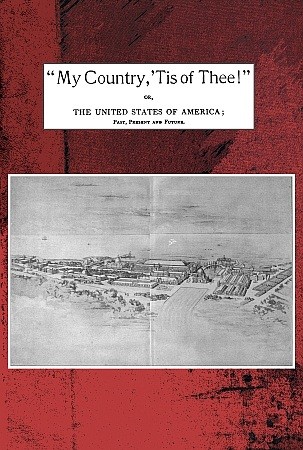 "My country, 'tis of thee!" / Or, the United States of America; past, present and future. A philosophic view of American history and of our present status, to be seen in the Columbian exhibition.
by Willis Fletcher Johnson
"My country, 'tis of thee!" / Or, the United States of America; past, present and future. A philosophic view of American history and of our present status, to be seen in the Columbian exhibition.
by Willis Fletcher Johnson