

About This Book
The narrative traces the development of the German people from Indo‑European origins through migration, Roman contact, conversion to Christianity, medieval fragmentation under feudal and imperial structures, and the cultural and intellectual awakenings of the Renaissance and Reformation. It follows political and military upheavals including religious wars and foreign domination, the emergence of Brandenburg‑Prussia as a central power, Napoleonic restructuring, and nineteenth‑century consolidation culminating in unification under Prussian leadership. Alongside political events, the work surveys social institutions, economic bodies such as guilds and Hanseatic towns, and shifts in religion, philosophy, and the arts that shaped national identity.
About the Author

More Books by This Author
 A Short History of England, Ireland and Scotland
by Mary Platt Parmele
A Short History of England, Ireland and Scotland
by Mary Platt Parmele
 A Short History of France
by Mary Platt Parmele
A Short History of France
by Mary Platt Parmele
 A Short History of Russia
by Mary Platt Parmele
A Short History of Russia
by Mary Platt Parmele
 A Short History of Spain
by Mary Platt Parmele
A Short History of Spain
by Mary Platt Parmele
 The Evolution of an Empire: A Brief Historical Sketch of England
by Mary Platt Parmele
The Evolution of an Empire: A Brief Historical Sketch of England
by Mary Platt Parmele
 The Evolution of an Empire: A Brief Historical Sketch of France
by Mary Platt Parmele
The Evolution of an Empire: A Brief Historical Sketch of France
by Mary Platt Parmele
You May Also Like
 "De Bello Gallico" and Other Commentaries
by Julius Caesar
"De Bello Gallico" and Other Commentaries
by Julius Caesar
 A Beginner's History of Philosophy, Vol. 1: Ancient and Mediæval Philosophy
by Herbert Ernest Cushman
A Beginner's History of Philosophy, Vol. 1: Ancient and Mediæval Philosophy
by Herbert Ernest Cushman
 A Brief History of Element Discovery, Synthesis, and Analysis
by Glen W. Watson
A Brief History of Element Discovery, Synthesis, and Analysis
by Glen W. Watson
 A Burial Cave in Baja California / The Palmer Collection, 1887
by William C. Massey
A Burial Cave in Baja California / The Palmer Collection, 1887
by William C. Massey
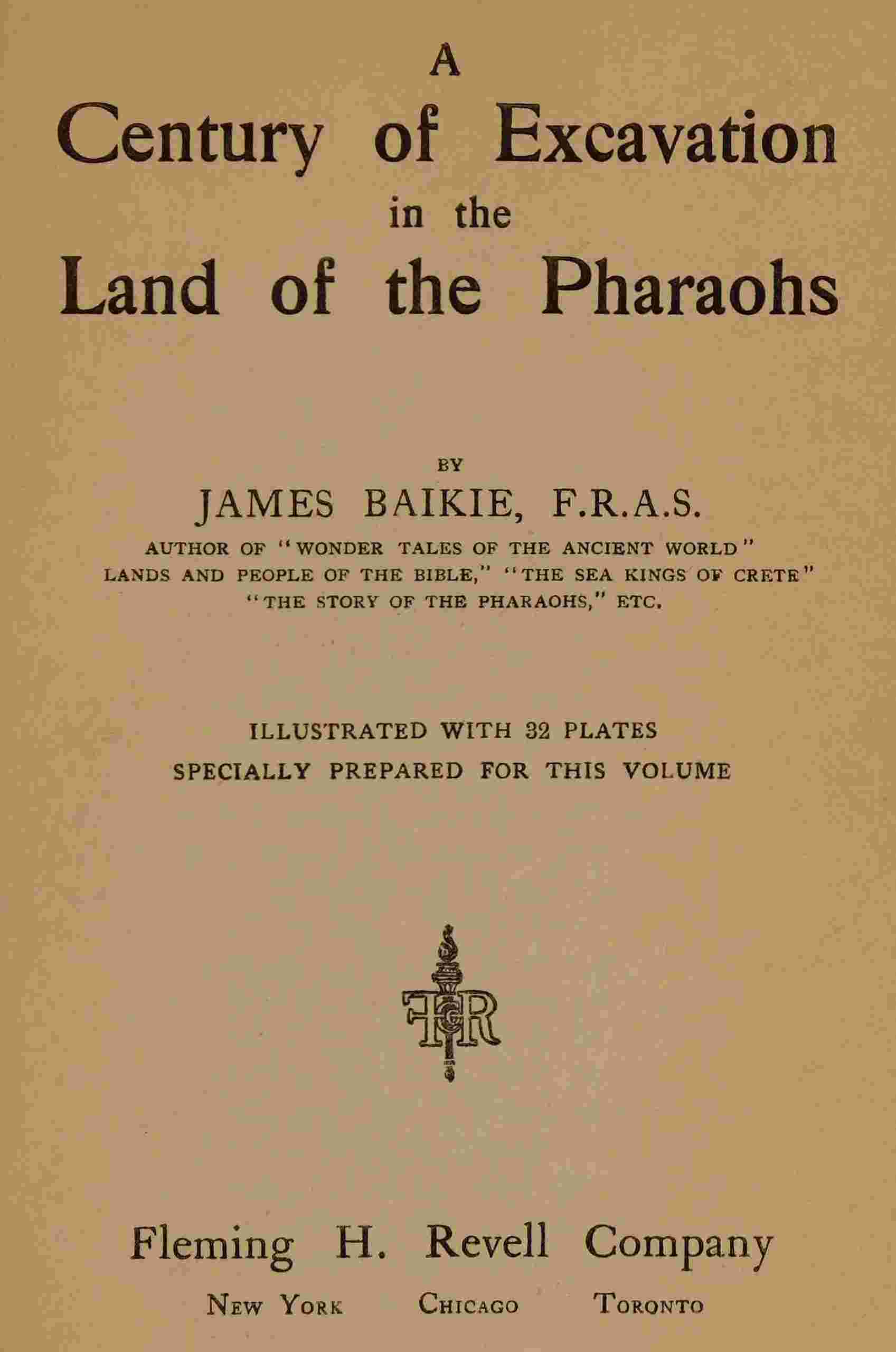 A century of excavation in the land of the Pharaohs
by James Baikie
A century of excavation in the land of the Pharaohs
by James Baikie
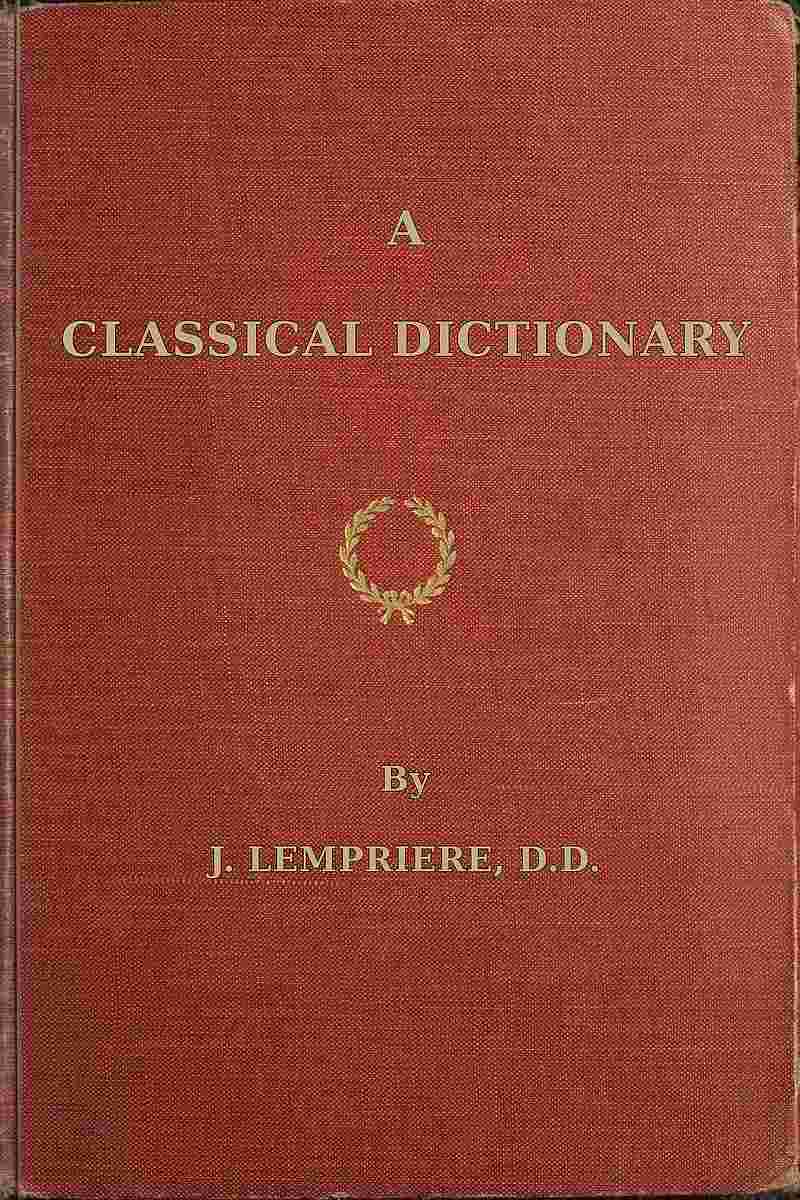 A classical dictionary / containing a copious account of all the proper names mentioned in ancient authors with tables of coins, weights, and measures used among the Greeks and Romans and a chronological table
by John Lemprière
A classical dictionary / containing a copious account of all the proper names mentioned in ancient authors with tables of coins, weights, and measures used among the Greeks and Romans and a chronological table
by John Lemprière