
About This Book
A study defines the dramatic monologue as a distinct literary form and analyzes its components—speaker, listener, situation, temporal connection, and argument—tracing the form's history and its demands on the reader. A second section offers practical guidance for vocal and physical interpretation, discussing mental actions, voice modulation, bodily gesture, metre, dialect, props, common faults, and the monologue's significance. Illustrative readings of representative monologues by Browning demonstrate how close textual study and oral rendition reveal psychological motive and dramatic effect.
About the Author

More Books by This Author
1 picks
You May Also Like
6 picks
 "England and Yesterday": A Book of Short Poems
by Louise Imogen Guiney
"England and Yesterday": A Book of Short Poems
by Louise Imogen Guiney
 "Excelsior"
by Bret Harte
"Excelsior"
by Bret Harte
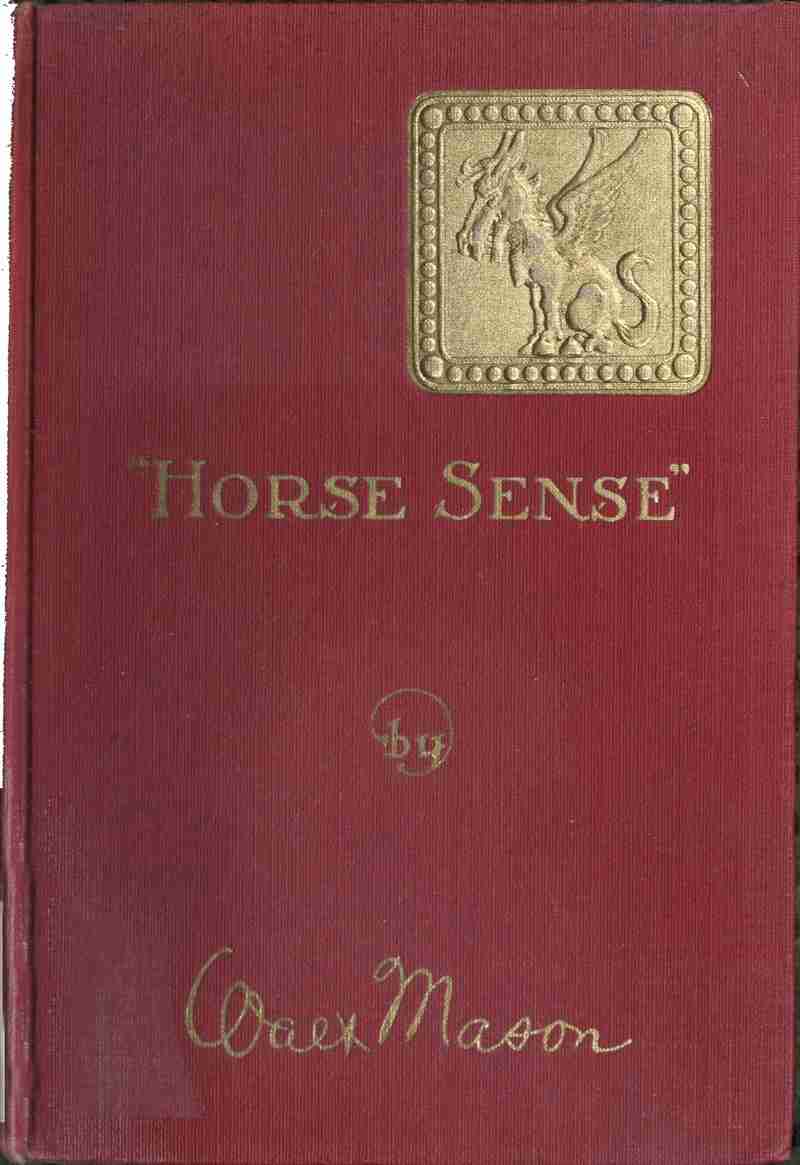 "Horse Sense" in Verses Tense
by Walt Mason
"Horse Sense" in Verses Tense
by Walt Mason
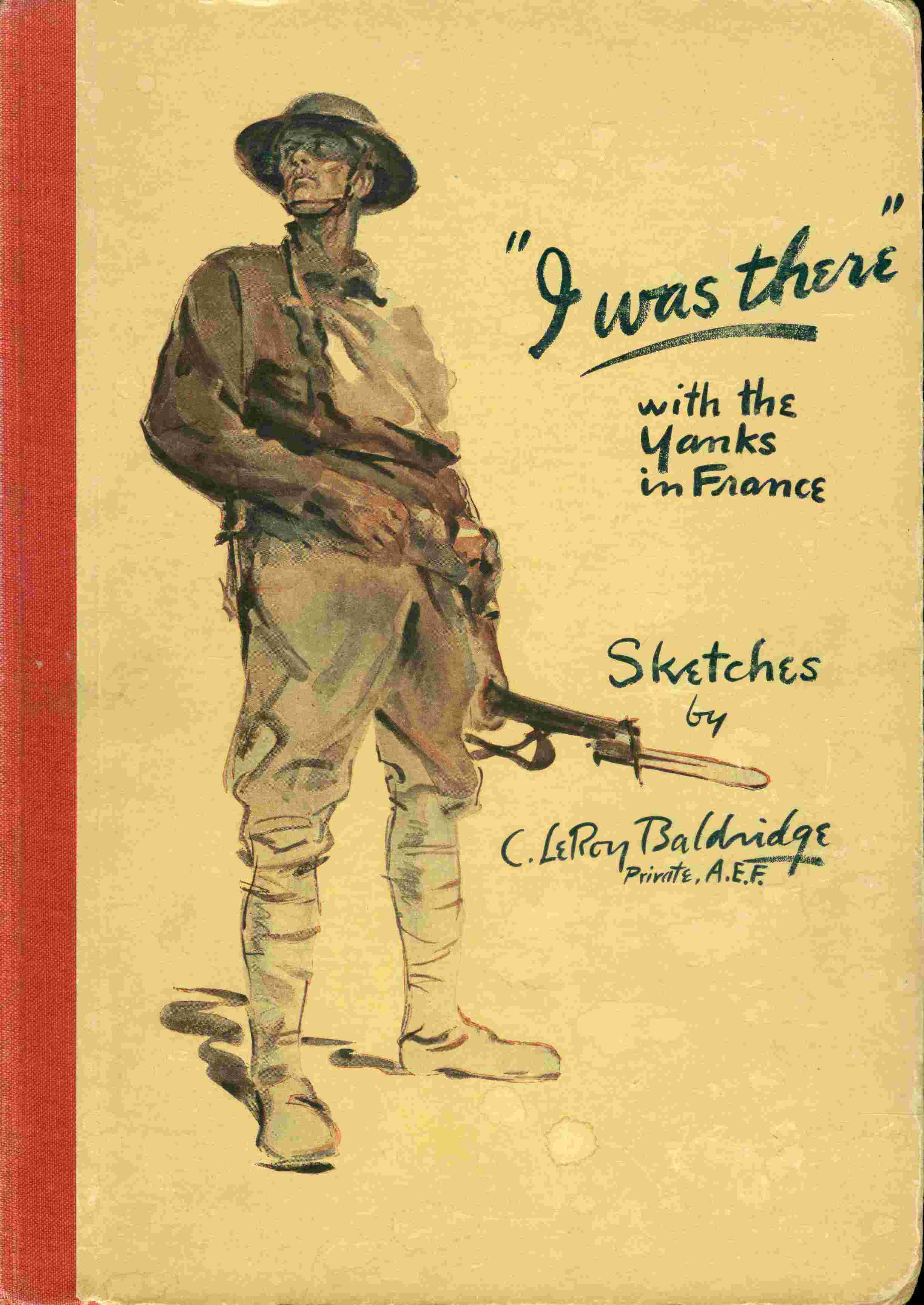 "I was there" with the Yanks on the western front, 1917-1919
by Cyrus Leroy Baldridge
"I was there" with the Yanks on the western front, 1917-1919
by Cyrus Leroy Baldridge
 "Smiles": A Book of Recitations for Girls
by Alice Lewis Richards
"Smiles": A Book of Recitations for Girls
by Alice Lewis Richards
 "Soitto on suruista tehty" / Historiallisia runoelmia: I. Pilatus. II. Piispa Tuomas.
by Antti Mäkinen
"Soitto on suruista tehty" / Historiallisia runoelmia: I. Pilatus. II. Piispa Tuomas.
by Antti Mäkinen