

About This Book
L'opera esamina come lo studio degli statuti comunali e delle leggi locali riveli la genesi e l'evoluzione delle istituzioni politiche e del diritto privato nelle città italiane medievali. L'autore sostiene che famiglia e Stato si formano e si influenzano reciprocamente, e illustra come vari testi statutari, con postille e ricompilazioni, mostrino mutate attribuzioni magistratuali e trasformazioni sociali che precedono rivoluzioni politiche. Si analizza l'intreccio di tradizioni giuridiche (romana, longobarda, feudale, canonica) e si discute il problema dell'emergere di principi unificatori in un impasto normativo. L'approccio combina ragione storica e giuridica per ricostruire il quadro istituzionale.
About the Author
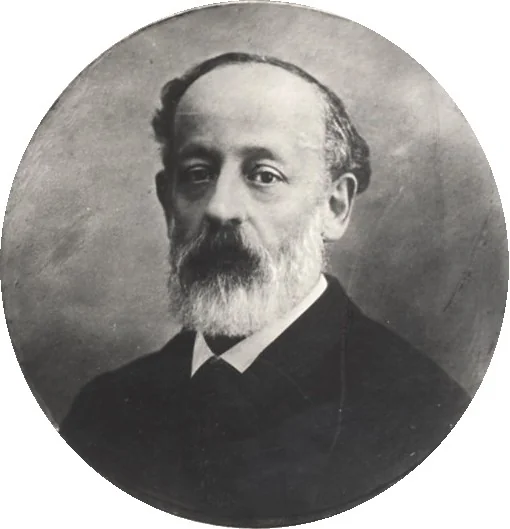
More Books by This Author
6 picks
 I primi due secoli della storia di Firenze, v. 1
by Pasquale Villari
I primi due secoli della storia di Firenze, v. 1
by Pasquale Villari
 Le invasioni barbariche in Italia
by Pasquale Villari
Le invasioni barbariche in Italia
by Pasquale Villari
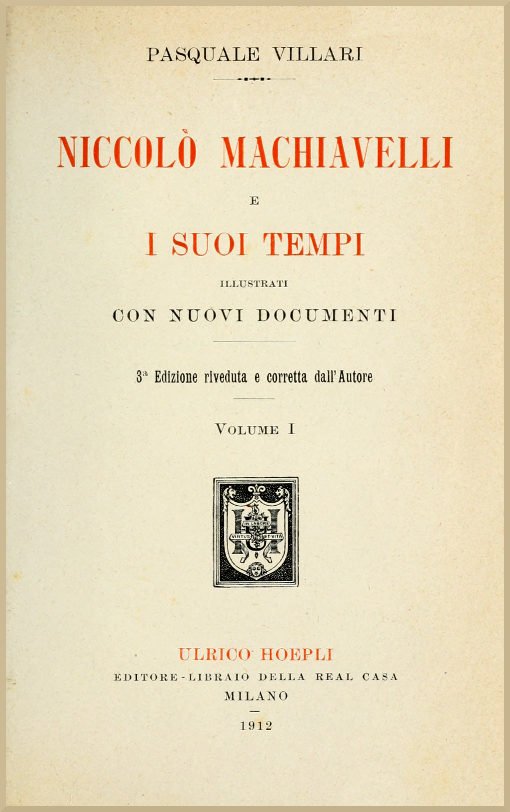 Niccolò Machiavelli e i suoi tempi, vol. I
by Pasquale Villari
Niccolò Machiavelli e i suoi tempi, vol. I
by Pasquale Villari
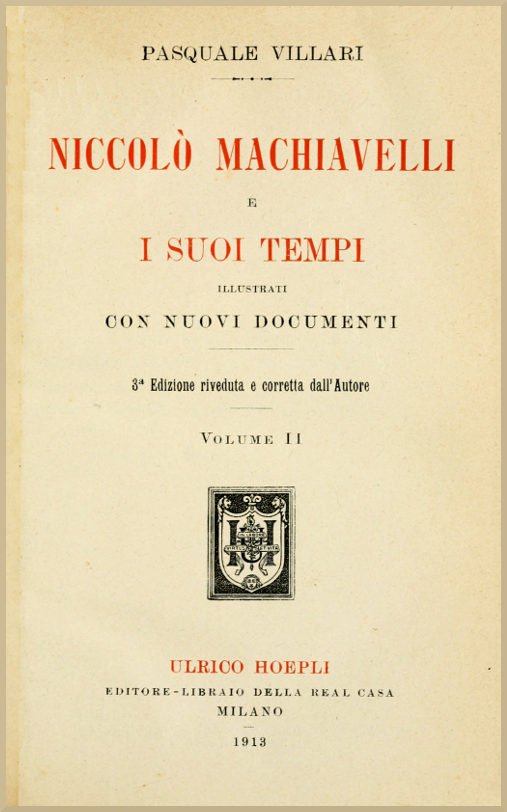 Niccolò Machiavelli e i suoi tempi, vol. II
by Pasquale Villari
Niccolò Machiavelli e i suoi tempi, vol. II
by Pasquale Villari
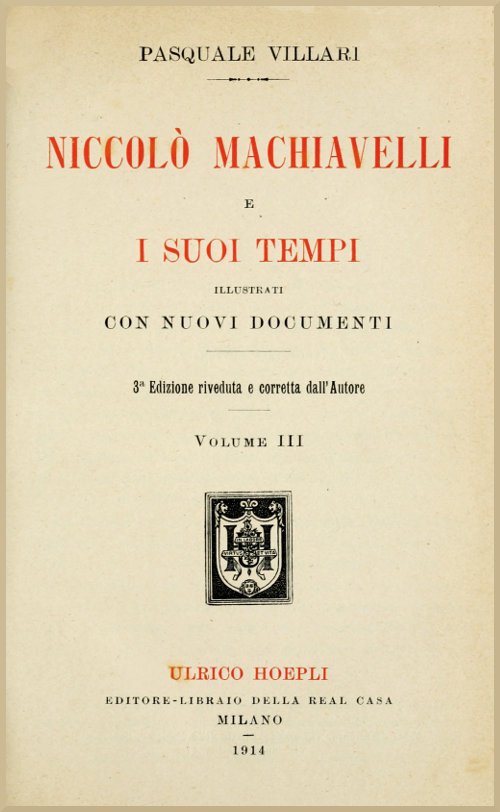 Niccolò Machiavelli e i suoi tempi, vol. III
by Pasquale Villari
Niccolò Machiavelli e i suoi tempi, vol. III
by Pasquale Villari
 The Two First Centuries of Florentine History / The Republic and Parties at the Time of Dante. Fourth Impression.
by Pasquale Villari
The Two First Centuries of Florentine History / The Republic and Parties at the Time of Dante. Fourth Impression.
by Pasquale Villari
You May Also Like
6 picks
 A architectura religiosa na Edade Média
by Augusto Fuschini
A architectura religiosa na Edade Média
by Augusto Fuschini
 A batalha de Toro
by António Francisco Barata
A batalha de Toro
by António Francisco Barata
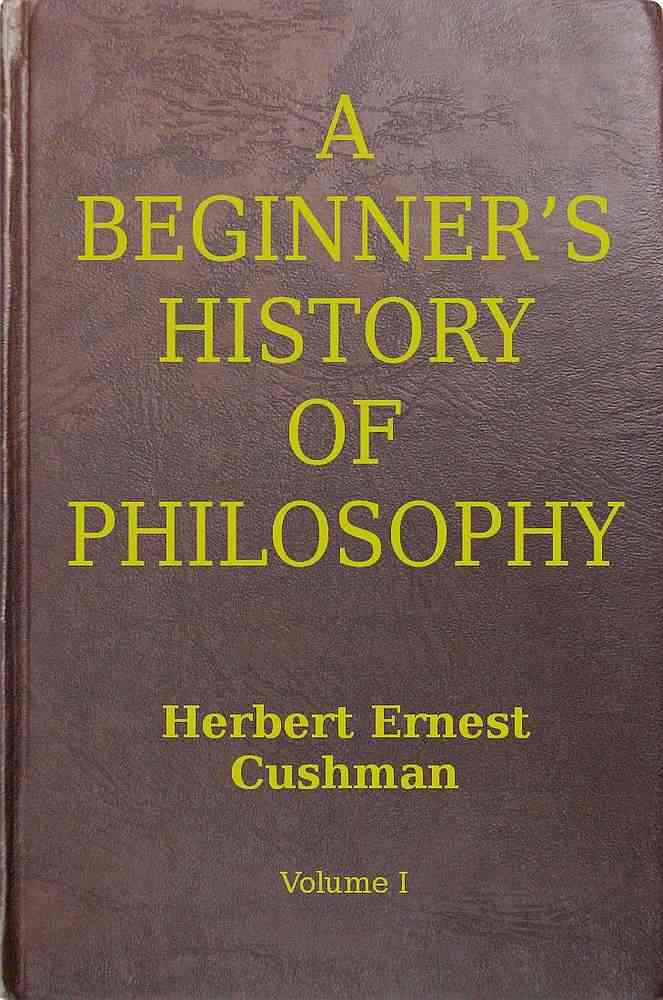 A Beginner's History of Philosophy, Vol. 1: Ancient and Mediæval Philosophy
by Herbert Ernest Cushman
A Beginner's History of Philosophy, Vol. 1: Ancient and Mediæval Philosophy
by Herbert Ernest Cushman
 A csehek Magyarországban (2. kötet): Korrajz első Mátyás király idejéből
by báró Miklós Jósika
A csehek Magyarországban (2. kötet): Korrajz első Mátyás király idejéből
by báró Miklós Jósika
 A General History and Collection of Voyages and Travels — Volume 01 / Arranged in Systematic Order: Forming a Complete History of the Origin and Progress of Navigation, Discovery, and Commerce, by Sea and Land, from the Earliest Ages to the Present Time
by Robert Kerr
A General History and Collection of Voyages and Travels — Volume 01 / Arranged in Systematic Order: Forming a Complete History of the Origin and Progress of Navigation, Discovery, and Commerce, by Sea and Land, from the Earliest Ages to the Present Time
by Robert Kerr
 A General History and Collection of Voyages and Travels — Volume 02 / Arranged in Systematic Order: Forming a Complete History of the Origin and Progress of Navigation, Discovery, and Commerce, by Sea and Land, from the Earliest Ages to the Present Time
by Robert Kerr
A General History and Collection of Voyages and Travels — Volume 02 / Arranged in Systematic Order: Forming a Complete History of the Origin and Progress of Navigation, Discovery, and Commerce, by Sea and Land, from the Earliest Ages to the Present Time
by Robert Kerr