
About This Book
La raccolta propone saggi di viaggio che combinano descrizioni topografiche e pittoriche con ricostruzioni storiche e osservazioni etnografiche. Si alternano visite a centri antichi e siti archeologici, analisi delle rovine di Pompeii e riflessioni sul carattere dei loro abitanti, raccolte e commenti sui canti popolari siciliani, e ritratti del paesaggio e delle comunità locali. L'approccio unisce erudizione storica, sensibilità estetica e impressioni personali, tracciando un itinerario che mette in relazione la memoria del passato con le forme vive della tradizione e della vita quotidiana.
About the Author

More Books by This Author
6 picks
 Lucretia Borgia According to Original Documents and Correspondence of Her Day
by Ferdinand Gregorovius
Lucretia Borgia According to Original Documents and Correspondence of Her Day
by Ferdinand Gregorovius
 Lucrezia Borgia secondo documenti e carteggi del tempo
by Ferdinand Gregorovius
Lucrezia Borgia secondo documenti e carteggi del tempo
by Ferdinand Gregorovius
 Passeggiate per l'Italia, vol. 1
by Ferdinand Gregorovius
Passeggiate per l'Italia, vol. 1
by Ferdinand Gregorovius
 Passeggiate per l'Italia, vol. 2
by Ferdinand Gregorovius
Passeggiate per l'Italia, vol. 2
by Ferdinand Gregorovius
 Passeggiate per l'Italia, vol. 3
by Ferdinand Gregorovius
Passeggiate per l'Italia, vol. 3
by Ferdinand Gregorovius
 Passeggiate per l'Italia, vol. 4
by Ferdinand Gregorovius
Passeggiate per l'Italia, vol. 4
by Ferdinand Gregorovius
You May Also Like
6 picks
 "1683-1920" / The Fourteen Points and What Became of Them—Foreign Propaganda in the Public Schools—Rewriting the History of the United States—The Espionage Act and How It Worked—"Illegal and Indefensible Blockade" of the Central Powers—1,000,000 Victims of Starvation—Our Debt to France and to Germany—The War Vote in Congress—Truth About the Belgian Atrocities—Our Treaty with Germany and How Observed—The Alien Property Custodianship—Secret Will of Cecil Rhodes—Racial Strains in American Life—Germantown Settlement of 1683 and a Thousand Other Topics
by Frederick Franklin Schrader
"1683-1920" / The Fourteen Points and What Became of Them—Foreign Propaganda in the Public Schools—Rewriting the History of the United States—The Espionage Act and How It Worked—"Illegal and Indefensible Blockade" of the Central Powers—1,000,000 Victims of Starvation—Our Debt to France and to Germany—The War Vote in Congress—Truth About the Belgian Atrocities—Our Treaty with Germany and How Observed—The Alien Property Custodianship—Secret Will of Cecil Rhodes—Racial Strains in American Life—Germantown Settlement of 1683 and a Thousand Other Topics
by Frederick Franklin Schrader
 "1812"
by Vasilïĭ Vasilʹevich Vereshchagin
"1812"
by Vasilïĭ Vasilʹevich Vereshchagin
 "Barbarous Soviet Russia"
by Isaac McBride
"Barbarous Soviet Russia"
by Isaac McBride
 "Brother Bosch", an Airman's Escape from Germany
by Gerald Featherstone Knight
"Brother Bosch", an Airman's Escape from Germany
by Gerald Featherstone Knight
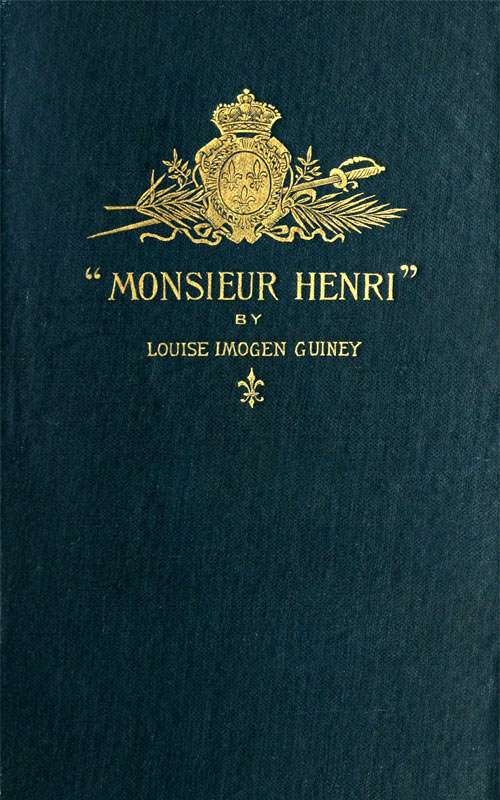 "Monsieur Henri": A Foot-Note to French History
by Louise Imogen Guiney
"Monsieur Henri": A Foot-Note to French History
by Louise Imogen Guiney
 "My country, 'tis of thee!" / Or, the United States of America; past, present and future. A philosophic view of American history and of our present status, to be seen in the Columbian exhibition.
by Willis Fletcher Johnson
"My country, 'tis of thee!" / Or, the United States of America; past, present and future. A philosophic view of American history and of our present status, to be seen in the Columbian exhibition.
by Willis Fletcher Johnson