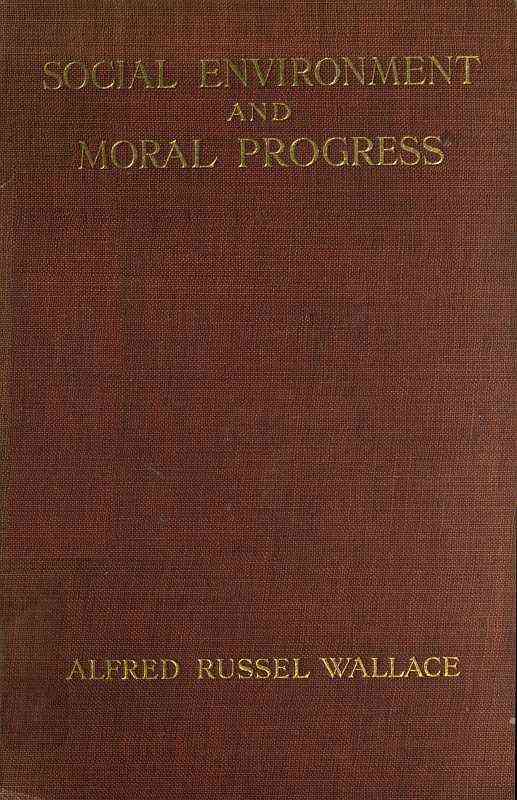
About This Book
The author examines morality as conduct shaped by ideals and social environment, distinguishing inherited character from superficial conventional morals. He argues character is strongly hereditary and that apparent moral improvements often reflect social pressures rather than permanent change. Reviewing historical evidence and industrial-era social conditions—crowded dwellings, unhealthy trades, economic corruption, and a flawed justice system—he contends these environments impede genuine moral development. Drawing on evolutionary ideas, he analyzes natural selection, mental agency, heredity, and environment to propose a selective social mechanism that, if coupled with institutional reforms, could initiate sustained moral progress.
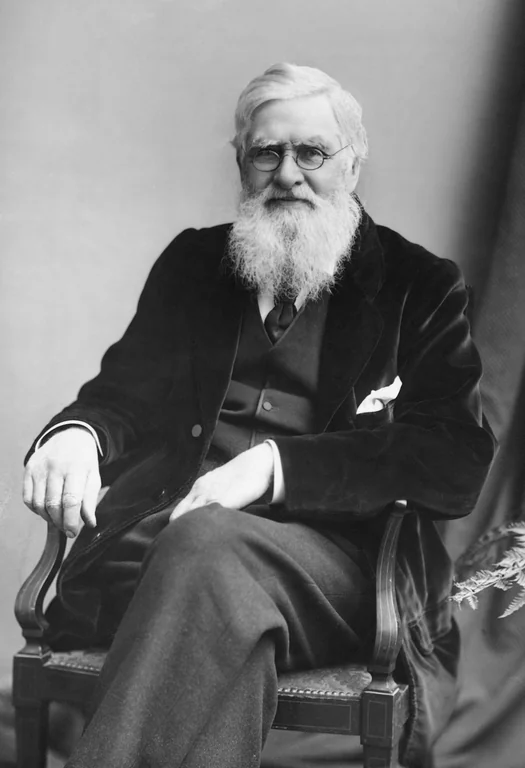
About the Author
More Books by This Author
6 picks
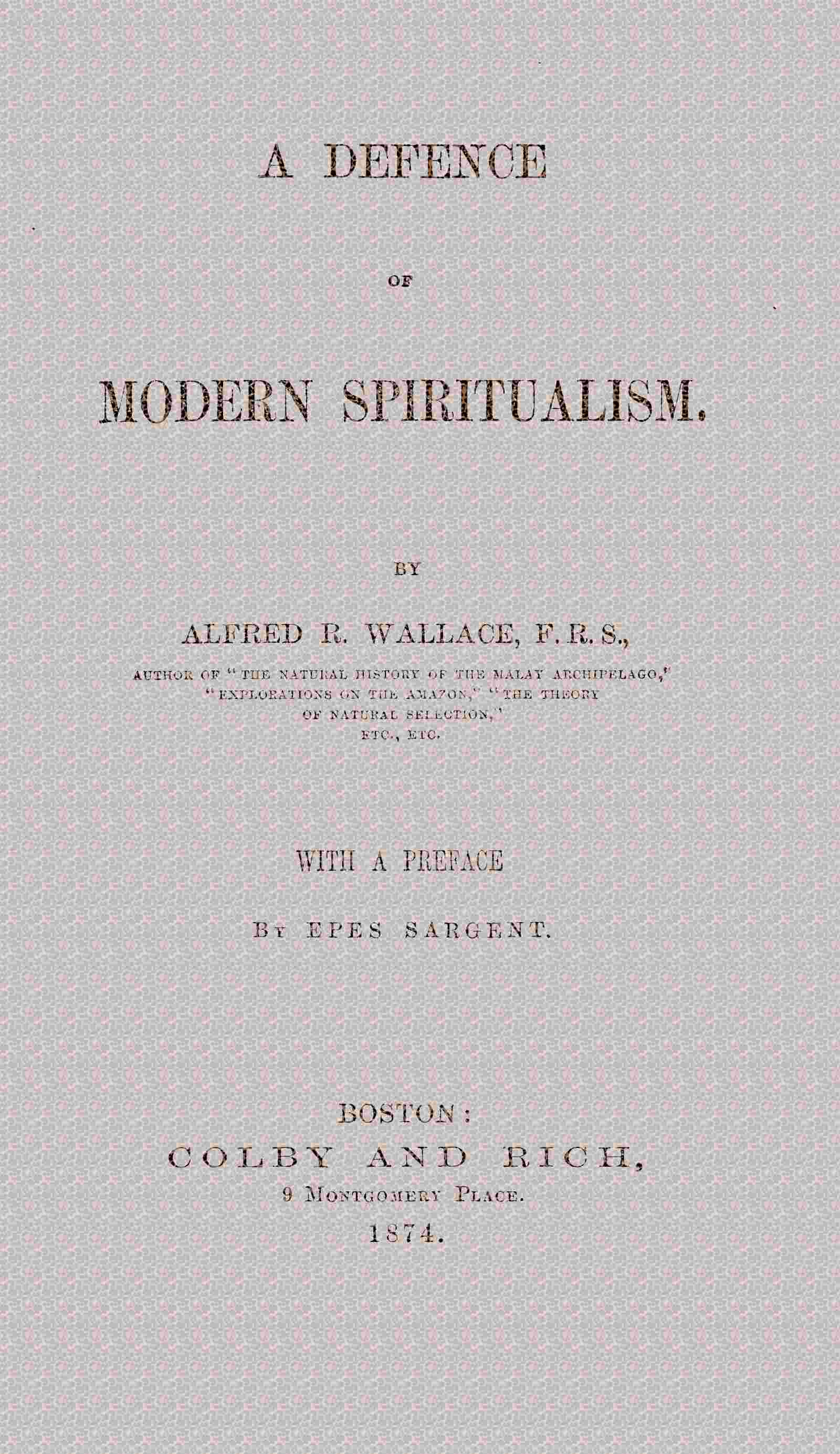 A defence of modern spiritualism
by Alfred Russel Wallace
A defence of modern spiritualism
by Alfred Russel Wallace
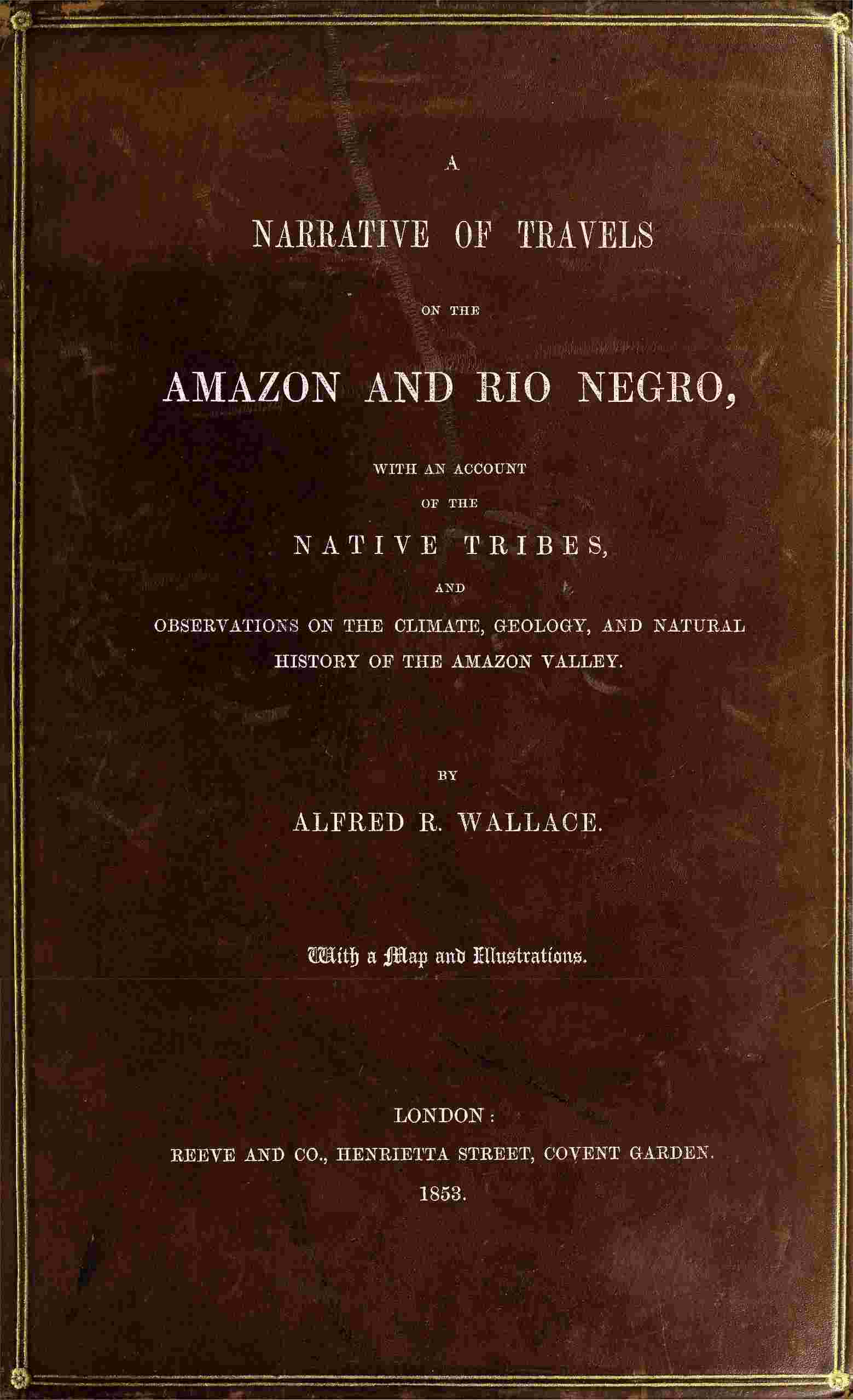 A narrative of travels on the Amazon and Rio Negro,
by Alfred Russel Wallace
A narrative of travels on the Amazon and Rio Negro,
by Alfred Russel Wallace
 Alfred Russel Wallace: Letters and Reminiscences, Vol. 1
by Alfred Russel Wallace
Alfred Russel Wallace: Letters and Reminiscences, Vol. 1
by Alfred Russel Wallace
 Alfred Russel Wallace: Letters and Reminiscences, Vol. 2
by Alfred Russel Wallace
Alfred Russel Wallace: Letters and Reminiscences, Vol. 2
by Alfred Russel Wallace
 Catalogue of the dipterous insects collected at Singapore and Malacca
by Alfred Russel Wallace
Catalogue of the dipterous insects collected at Singapore and Malacca
by Alfred Russel Wallace
 Contributions to the Theory of Natural Selection / A Series of Essays
by Alfred Russel Wallace
Contributions to the Theory of Natural Selection / A Series of Essays
by Alfred Russel Wallace
You May Also Like
6 picks