
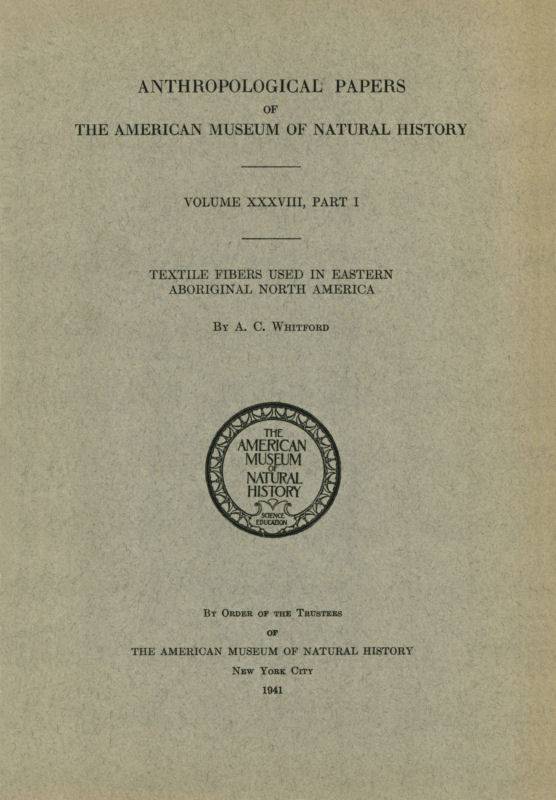
Textile Fibers used in Eastern Aboriginal North America
Explore more books like this:
About This Book
The study identifies plant fibers used in artifacts from Indigenous communities east of the Mississippi by examining museum ethnological and archaeological collections. Approximately five hundred objects were sampled and analyzed with standard histological microscopy, bleaching, maceration, staining, and measurements compared to classified botanical specimens. Identifications document monocot and dicot sources — including palmetto, Spanish moss, yucca, nolina, red cedar, grasses such as big bluestem, sweet grass, canebrake, cattail, and occasional maize — and relate these materials to bags, moccasins, mats, ropes, and mound finds. The paper supplies object-level determinations, a table of identifications, and a brief summary of results.
About the Author

You May Also Like
 "Five-Head" Creek; and Fish Drugging in the Pacific / 1901
by Louis Becke
"Five-Head" Creek; and Fish Drugging in the Pacific / 1901
by Louis Becke
 "Pennsylvania Dutch," and other essays
by Phebe Earle Gibbons
"Pennsylvania Dutch," and other essays
by Phebe Earle Gibbons
 "Sterminator Vesevo" (Vesuvius the great exterminator) / Diary of the Eruption of April 1906
by Matilde Serao
"Sterminator Vesevo" (Vesuvius the great exterminator) / Diary of the Eruption of April 1906
by Matilde Serao
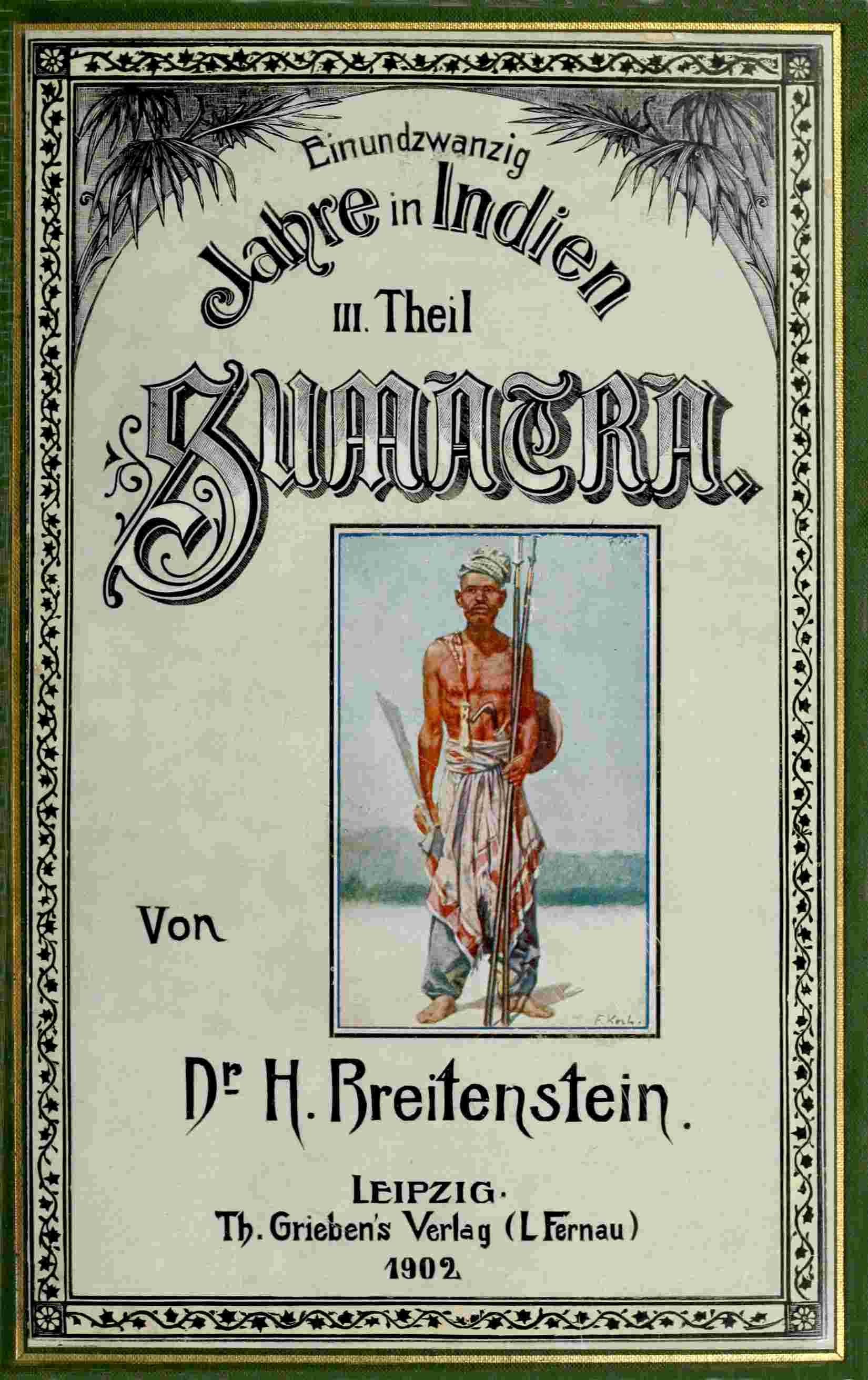 21 Jahre in Indien. Dritter Theil: Sumatra.
by Heinrich Breitenstein
21 Jahre in Indien. Dritter Theil: Sumatra.
by Heinrich Breitenstein
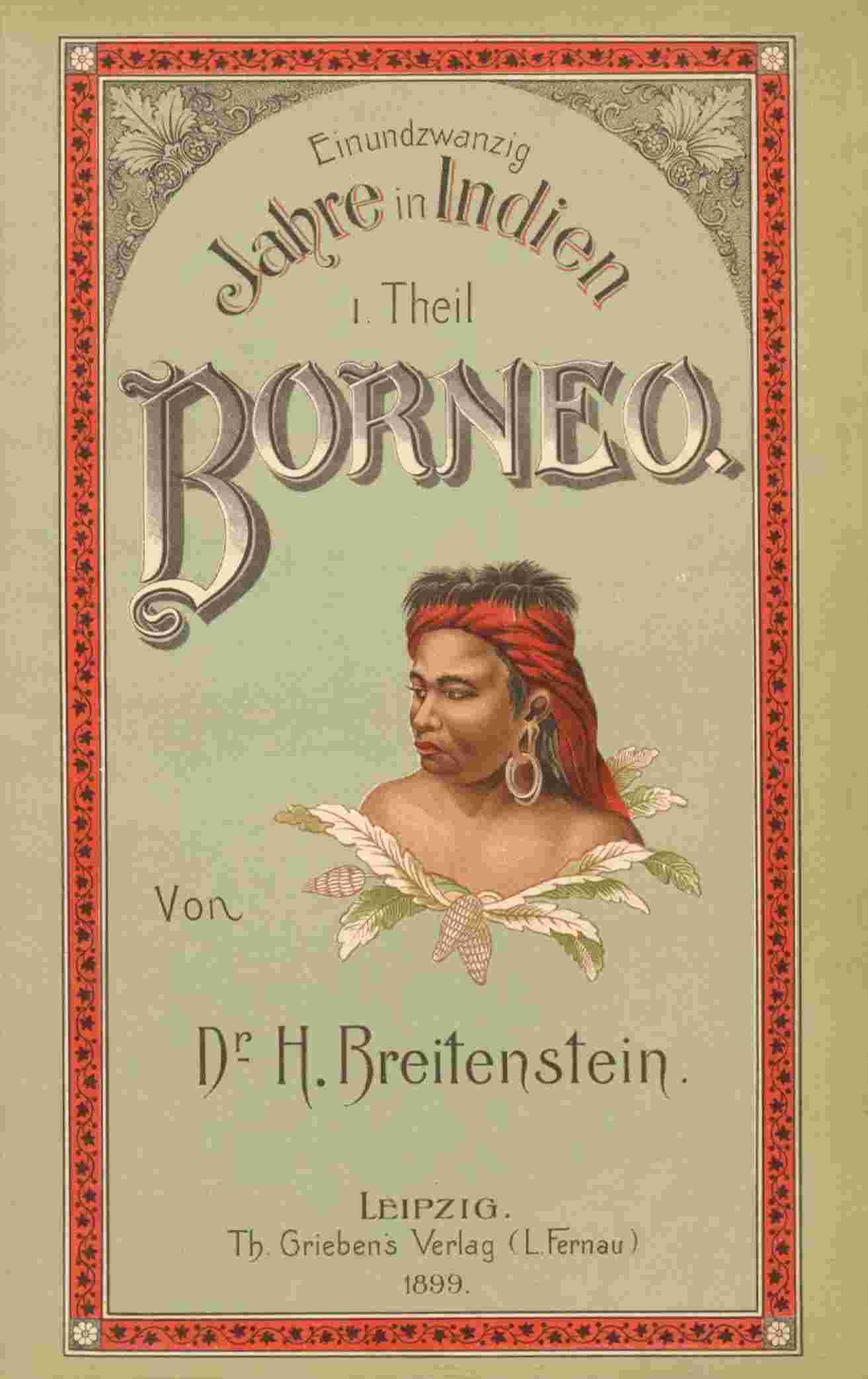 21 Jahre in Indien. Erster Theil: Borneo.
by Heinrich Breitenstein
21 Jahre in Indien. Erster Theil: Borneo.
by Heinrich Breitenstein
 A Bakony (1. kötet)
by Károly Eötvös
A Bakony (1. kötet)
by Károly Eötvös