
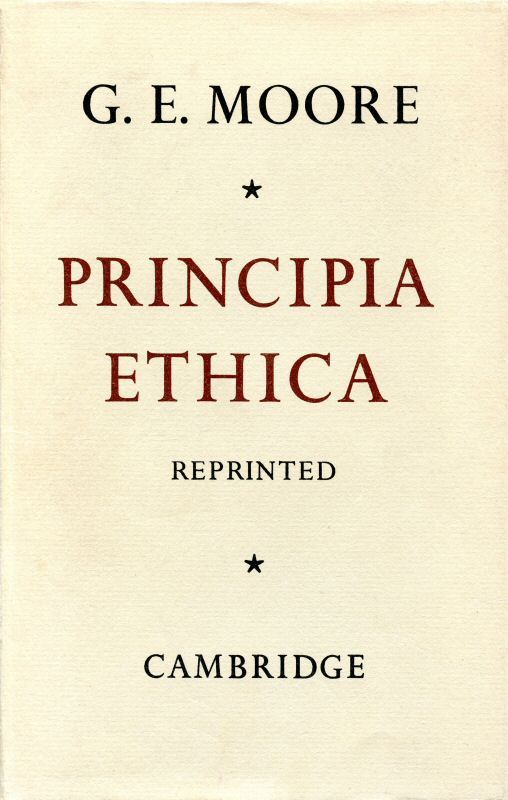
About This Book
The work analyzes ethical inquiry by distinguishing two questions: what things have intrinsic value and what actions ought to be performed. It contends that good names a simple, indefinable quality and cautions against defining it in natural terms, a point associated with the naturalistic fallacy and the open-question argument. Claims about right action are shown to require both factual, causal information about consequences and self-evident ethical propositions. The author argues that many kinds of things are intrinsically good and that wholes can possess value not reducible to their parts, a principle termed organic unities, and develops an ideal-consequentialist framework for moral judgment.
About the Author

More Books by This Author
1 picks
You May Also Like
6 picks
 "About My Father's Business": Work Amidst the Sick, the Sad, and the Sorrowing
by Thomas Archer
"About My Father's Business": Work Amidst the Sick, the Sad, and the Sorrowing
by Thomas Archer
 "Beautiful Thoughts"
by Henry Drummond
"Beautiful Thoughts"
by Henry Drummond
 "Bethink Yourselves!"
by graf Leo Tolstoy
"Bethink Yourselves!"
by graf Leo Tolstoy
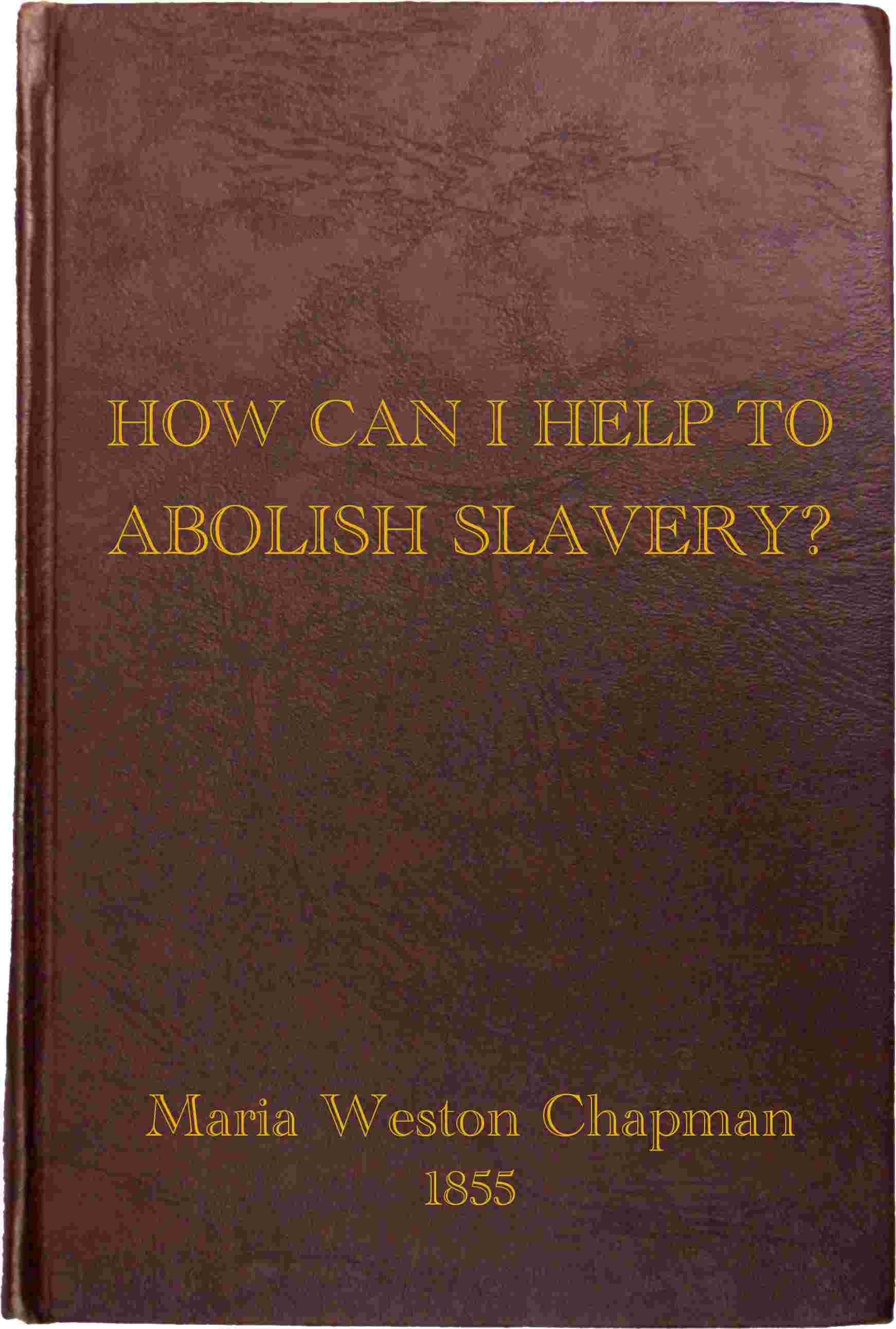 "How Can I Help to Abolish Slavery?" or, Counsels to the Newly Converted
by Maria Weston Chapman
"How Can I Help to Abolish Slavery?" or, Counsels to the Newly Converted
by Maria Weston Chapman
 "I Believe" and other essays
by Guy Thorne
"I Believe" and other essays
by Guy Thorne
 "Imperialism" and "The Tracks of Our Forefathers"
by Charles Francis Adams
"Imperialism" and "The Tracks of Our Forefathers"
by Charles Francis Adams