
About This Book
An extended argument for representative government examines its theoretical basis, the social conditions required for it to succeed, and the practical institutions that make it work. Chapters set criteria for good government, defend representative institutions as preferable in many circumstances, identify when they are inapplicable, and outline proper functions and hazards. Topics include forms of democracy, suffrage extension, electoral stages and methods, parliamentary duration, accountability, bicameralism, executive roles, local and federal representation, and governance of dependencies. Throughout, the author emphasizes fostering individual liberty and civic competence while guarding against majoritarian and institutional abuses.
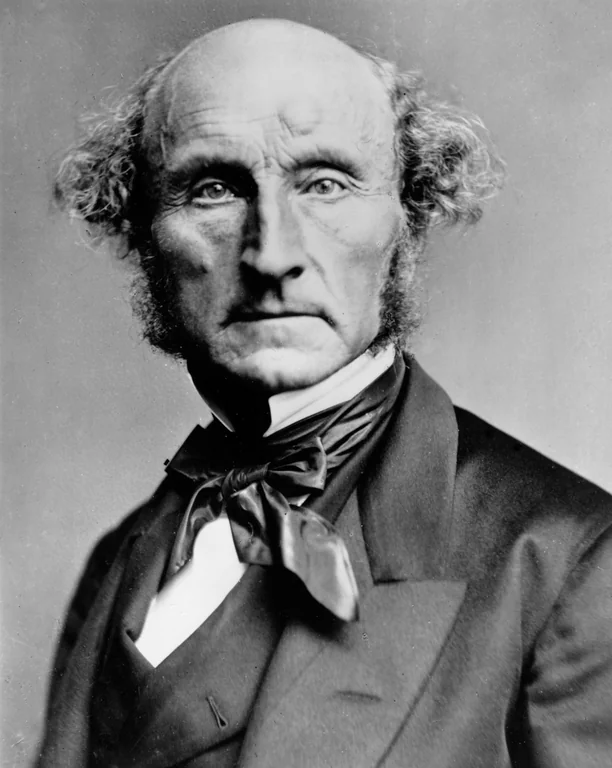
About the Author
More Books by This Author
6 picks
 A System of Logic, Ratiocinative and Inductive
by John Stuart Mill
A System of Logic, Ratiocinative and Inductive
by John Stuart Mill
 A System of Logic, Ratiocinative and Inductive (Vol. 1 of 2)
by John Stuart Mill
A System of Logic, Ratiocinative and Inductive (Vol. 1 of 2)
by John Stuart Mill
 A System of Logic: Ratiocinative and Inductive, 7th Edition, Vol. I
by John Stuart Mill
A System of Logic: Ratiocinative and Inductive, 7th Edition, Vol. I
by John Stuart Mill
 A System of Logic: Ratiocinative and Inductive, 7th Edition, Vol. II
by John Stuart Mill
A System of Logic: Ratiocinative and Inductive, 7th Edition, Vol. II
by John Stuart Mill
 Auguste Comte and Positivism
by John Stuart Mill
Auguste Comte and Positivism
by John Stuart Mill
 Autobiography
by John Stuart Mill
Autobiography
by John Stuart Mill
You May Also Like
6 picks
 "About My Father's Business": Work Amidst the Sick, the Sad, and the Sorrowing
by Thomas Archer
"About My Father's Business": Work Amidst the Sick, the Sad, and the Sorrowing
by Thomas Archer
 "Beautiful Thoughts"
by Henry Drummond
"Beautiful Thoughts"
by Henry Drummond
 "Bethink Yourselves!"
by graf Leo Tolstoy
"Bethink Yourselves!"
by graf Leo Tolstoy
 "How Can I Help to Abolish Slavery?" or, Counsels to the Newly Converted
by Maria Weston Chapman
"How Can I Help to Abolish Slavery?" or, Counsels to the Newly Converted
by Maria Weston Chapman
 "I Believe" and other essays
by Guy Thorne
"I Believe" and other essays
by Guy Thorne
 "Imperialism" and "The Tracks of Our Forefathers"
by Charles Francis Adams
"Imperialism" and "The Tracks of Our Forefathers"
by Charles Francis Adams