
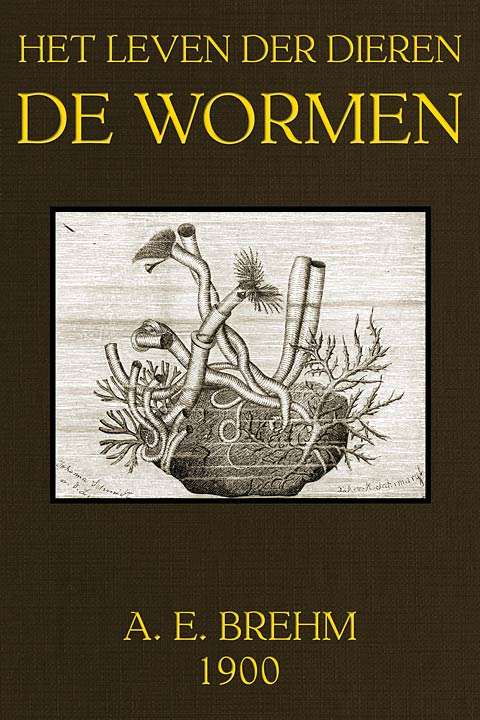
About This Book
The chapter surveys the diverse animal group traditionally called worms, noting how classification lines have shifted and focusing on the core classes of annelids, roundworms, and flatworms. It outlines external traits such as bilateral symmetry, soft skin often bearing cilia, a skin-muscle sac, and varied body shapes, and explains locomotion by muscular waves, bristles, or suckers. Internal organization ranges from forms without a gut or body cavity to those with a complete alimentary canal and true coelom; nervous systems range from a brain with a ventral nerve cord to simple longitudinal nerves. Circulatory, respiratory and reproductive systems vary widely with lifestyle.
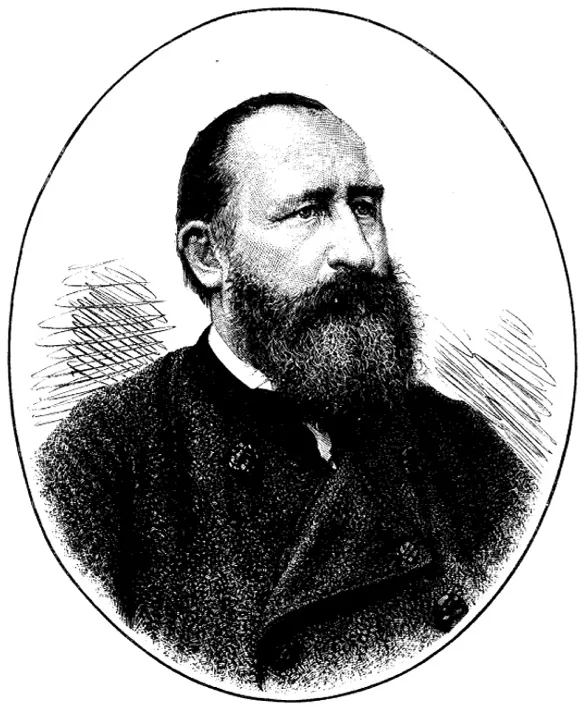
About the Author
More Books by This Author
6 picks
 Cassell's book of birds; vol. 1
by Alfred Edmund Brehm
Cassell's book of birds; vol. 1
by Alfred Edmund Brehm
 Cassell's book of birds; vol. 2
by Alfred Edmund Brehm
Cassell's book of birds; vol. 2
by Alfred Edmund Brehm
 Cassell's book of birds; vol. 3
by Alfred Edmund Brehm
Cassell's book of birds; vol. 3
by Alfred Edmund Brehm
 Cassell's book of birds; vol. 4
by Alfred Edmund Brehm
Cassell's book of birds; vol. 4
by Alfred Edmund Brehm
 From North Pole to Equator: Studies of Wild Life and Scenes in Many Lands
by Alfred Edmund Brehm
From North Pole to Equator: Studies of Wild Life and Scenes in Many Lands
by Alfred Edmund Brehm
 Het Leven der Dieren, Deel 3, Hoofdstuk 04: De Insecten
by Alfred Edmund Brehm
Het Leven der Dieren, Deel 3, Hoofdstuk 04: De Insecten
by Alfred Edmund Brehm
You May Also Like
6 picks
 "Five-Head" Creek; and Fish Drugging in the Pacific / 1901
by Louis Becke
"Five-Head" Creek; and Fish Drugging in the Pacific / 1901
by Louis Becke
 "Præterita": souvenirs de jeunesse
by John Ruskin
"Præterita": souvenirs de jeunesse
by John Ruskin
 "The One" Dog and "The Others": A Study of Canine Character
by Frances E. Slaughter
"The One" Dog and "The Others": A Study of Canine Character
by Frances E. Slaughter
 "Wee Tim'rous Beasties": Studies of Animal life and Character
by Douglas English
"Wee Tim'rous Beasties": Studies of Animal life and Character
by Douglas English
 100 Desert Wildflowers in Natural Color
by Natt N. Dodge
100 Desert Wildflowers in Natural Color
by Natt N. Dodge
 A Bird Calendar for Northern India
by Douglas Dewar
A Bird Calendar for Northern India
by Douglas Dewar