
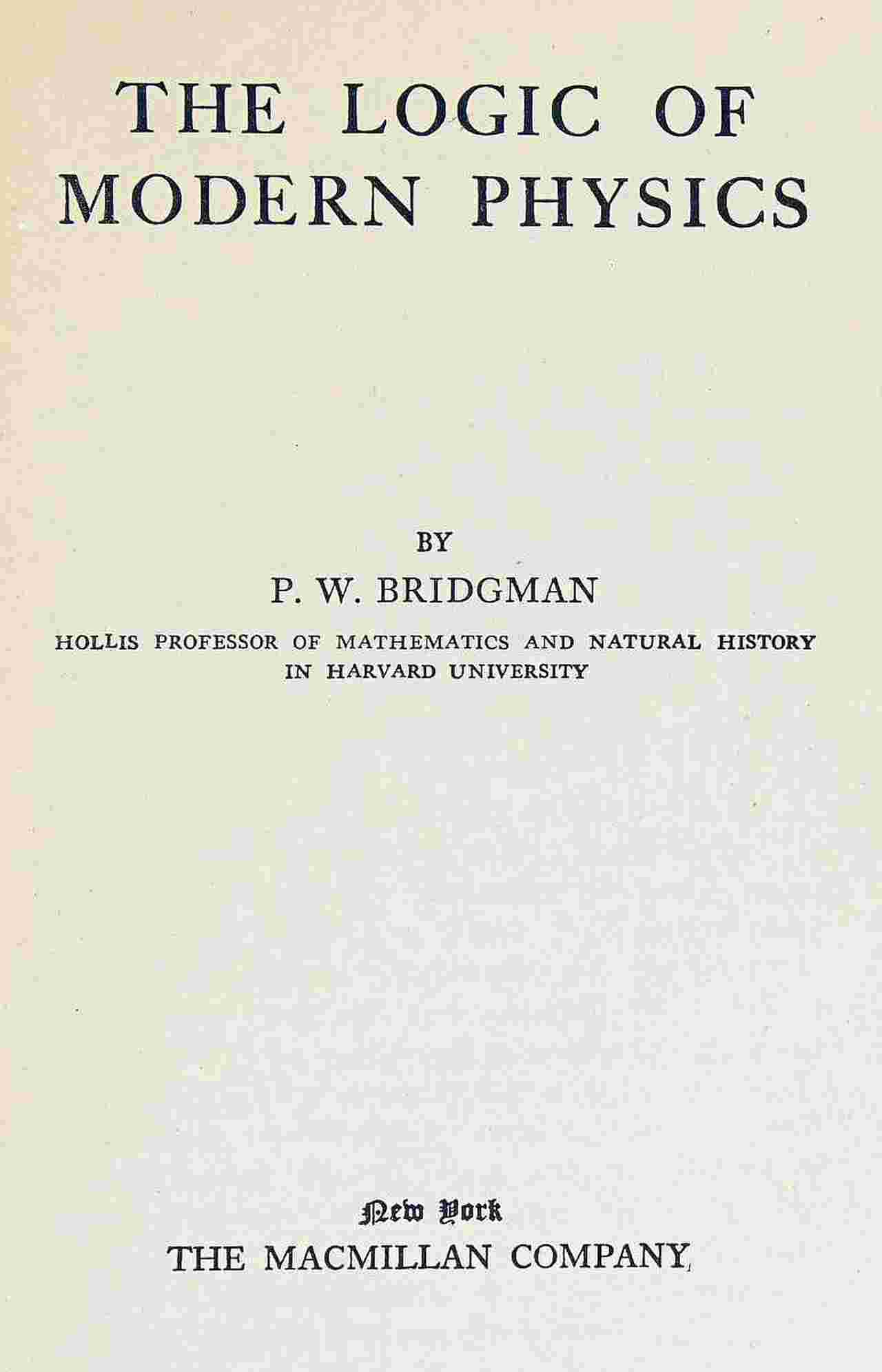
About This Book
An experimentalist argues for a systematic re-examination of physics' interpretative foundations, insisting that empirical evidence—especially from relativity and the new quantum phenomena—forces a reconsideration of basic concepts such as space, time, and mechanics. The work traces how experimental anomalies have driven conceptual change, advocates grounding definitions and reasoning in observable operations and physiological origins of perception, and urges a coherent philosophy that unifies established domains and the novel, counterintuitive facts of the quantum realm while clarifying the aims and structure of physical theory.
About the Author

You May Also Like
6 picks
 A Brief Account of Radio-activity
by F. P. Venable
A Brief Account of Radio-activity
by F. P. Venable
 A Brief History of Element Discovery, Synthesis, and Analysis
by Glen W. Watson
A Brief History of Element Discovery, Synthesis, and Analysis
by Glen W. Watson
 A Budget of Paradoxes, Volume I
by Augustus De Morgan
A Budget of Paradoxes, Volume I
by Augustus De Morgan
 A Color Notation / A measured color system, based on the three qualities Hue, Value and Chroma
by A. H. Munsell
A Color Notation / A measured color system, based on the three qualities Hue, Value and Chroma
by A. H. Munsell
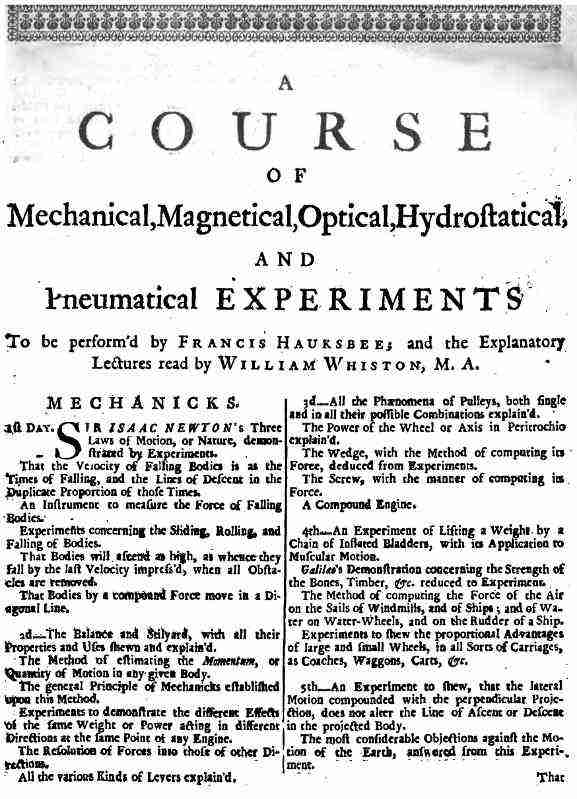 A Course of Mechanical, Magnetical, Optical, Hydrostatical and Pneumatical Experiments / perform'd by Francis Hauksbee, and the Explanatory Lectures read by William Whiston, M.A.
by William Whiston
A Course of Mechanical, Magnetical, Optical, Hydrostatical and Pneumatical Experiments / perform'd by Francis Hauksbee, and the Explanatory Lectures read by William Whiston, M.A.
by William Whiston
 A Discourse Presented to the Most Serene Don Cosimo II., Great Duke of Tuscany, Concerning the Natation of Bodies Vpon, and Submersion In, the Water.
by Galileo Galilei
A Discourse Presented to the Most Serene Don Cosimo II., Great Duke of Tuscany, Concerning the Natation of Bodies Vpon, and Submersion In, the Water.
by Galileo Galilei