
About This Book
A series of lectures surveys Russian literary development from folk songs and medieval chronicles through the eighteenth and nineteenth centuries, outlining how language, genres, and social conditions shaped poetic, prose, and dramatic forms. The author sketches early influences, then examines leading poets, novelists, dramatists, and critics—treating representative works and currents associated with figures such as Pushkin, Lermontov, Gogol, Turgenev, Tolstoy, and Dostoevsky. Themes include realism, the interplay of art and social and political ideas, the nation’s linguistic richness, and the influential role of criticism. Throughout, literature is presented as a primary medium for expressing collective aspirations and moral debates.
About the Author

More Books by This Author
5 picks
 Fields, factories and workshops
by kniaz Petr Alekseevich Kropotkin
Fields, factories and workshops
by kniaz Petr Alekseevich Kropotkin
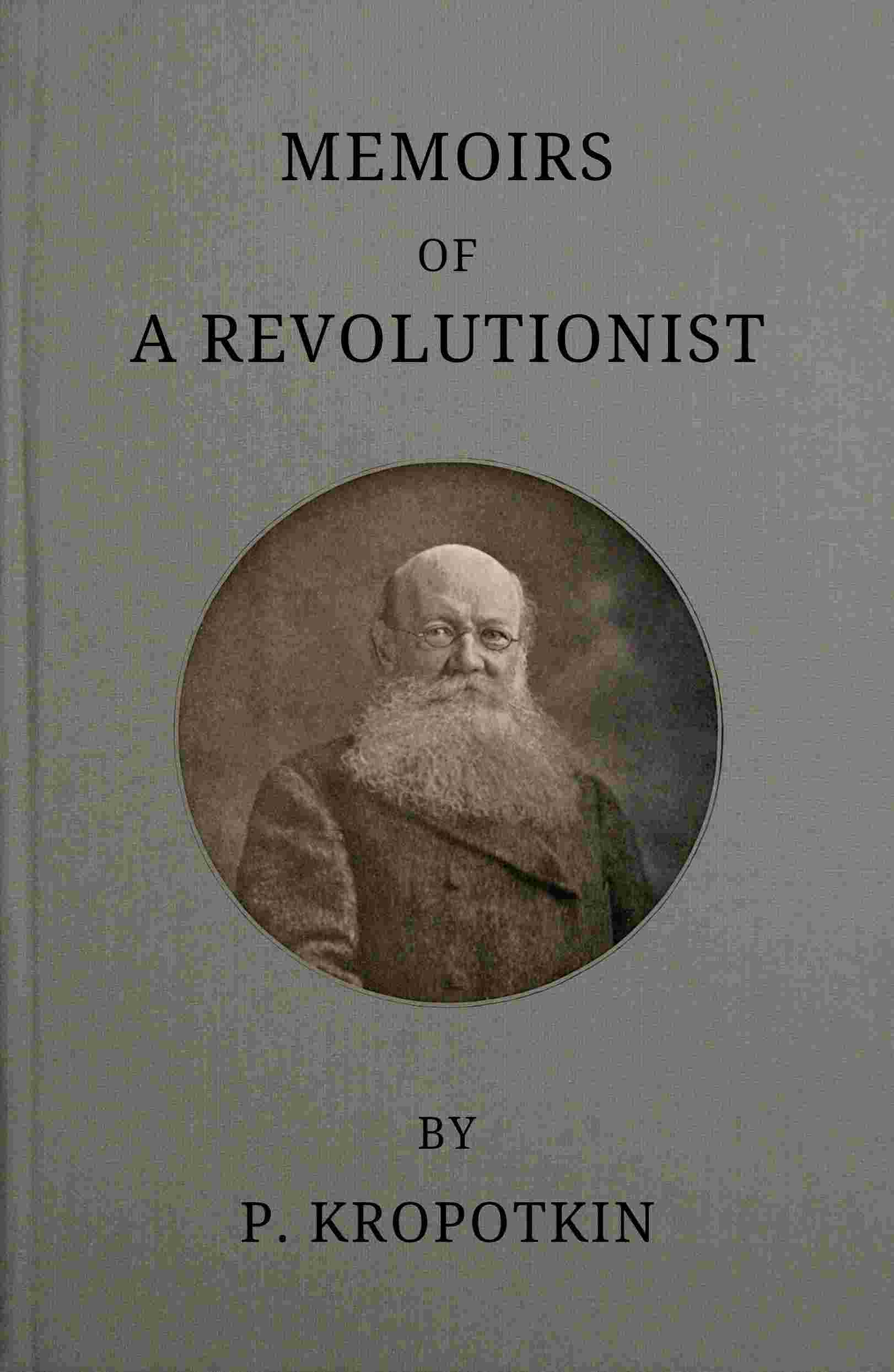 Memoirs of a revolutionist
by kniaz Petr Alekseevich Kropotkin
Memoirs of a revolutionist
by kniaz Petr Alekseevich Kropotkin
 Mutual Aid: A Factor of Evolution
by kniaz Petr Alekseevich Kropotkin
Mutual Aid: A Factor of Evolution
by kniaz Petr Alekseevich Kropotkin
 The Conquest of Bread
by kniaz Petr Alekseevich Kropotkin
The Conquest of Bread
by kniaz Petr Alekseevich Kropotkin
 The place of anarchism in socialistic evolution
by kniaz Petr Alekseevich Kropotkin
The place of anarchism in socialistic evolution
by kniaz Petr Alekseevich Kropotkin
You May Also Like
6 picks
 "'Tis Sixty Years Since" / Address of Charles Francis Adams; Founders' Day, January 16, 1913
by Charles Francis Adams
"'Tis Sixty Years Since" / Address of Charles Francis Adams; Founders' Day, January 16, 1913
by Charles Francis Adams
 "... és a felelősségtől való rettegés"
by Émile Faguet
"... és a felelősségtől való rettegés"
by Émile Faguet
 "A Most Unholy Trade," Being Letters on the Drama by Henry James
by Henry James
"A Most Unholy Trade," Being Letters on the Drama by Henry James
by Henry James
 "About My Father's Business": Work Amidst the Sick, the Sad, and the Sorrowing
by Thomas Archer
"About My Father's Business": Work Amidst the Sick, the Sad, and the Sorrowing
by Thomas Archer
 "America for Americans!" / The Typical American, Thanksgiving Sermon
by John Philip Newman
"America for Americans!" / The Typical American, Thanksgiving Sermon
by John Philip Newman
 "Bethink Yourselves!"
by graf Leo Tolstoy
"Bethink Yourselves!"
by graf Leo Tolstoy