
About This Book
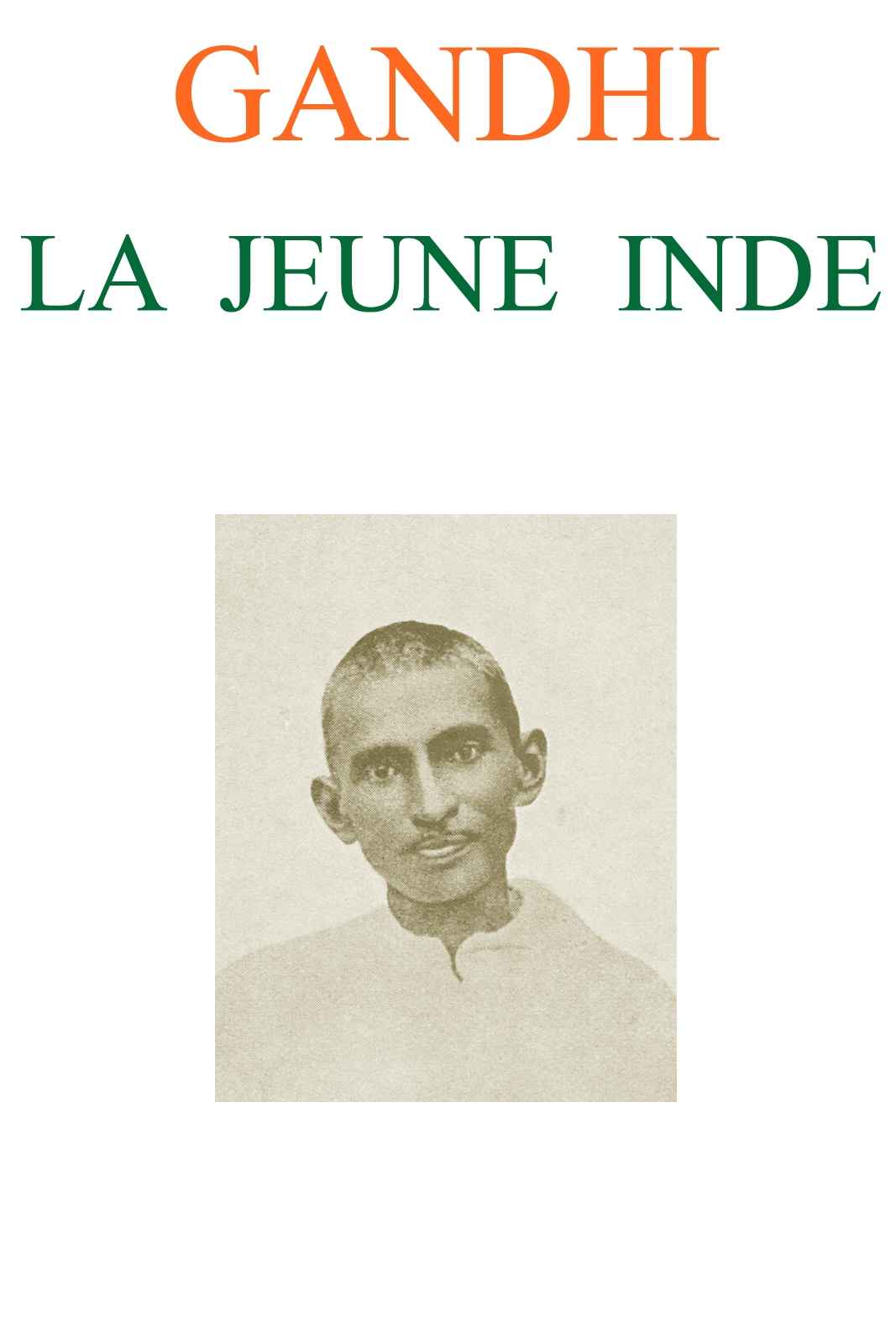
Selected political essays and editorials from 1919–1922 set out a practical philosophy of satyagraha: disciplined nonviolent resistance combined with ethical self-discipline, civil disobedience, and constructive social work. The pieces argue against violent methods, report on pragmatic experiments in resistance, criticize colonial authority, and propose economic and social reforms such as village self-reliance. They address communal unity, moral education, and personal sacrifice as prerequisites for political freedom, offering direct, instructional prose that blends religious language with political strategy and frames national emancipation as an ongoing moral experiment.
About the Author
More Books by This Author
5 picks


You May Also Like
6 picks
 "'Tis Sixty Years Since" / Address of Charles Francis Adams; Founders' Day, January 16, 1913
by Charles Francis Adams
"'Tis Sixty Years Since" / Address of Charles Francis Adams; Founders' Day, January 16, 1913
by Charles Francis Adams
 "... és a felelősségtől való rettegés"
by Émile Faguet
"... és a felelősségtől való rettegés"
by Émile Faguet
 "A Most Unholy Trade," Being Letters on the Drama by Henry James
by Henry James
"A Most Unholy Trade," Being Letters on the Drama by Henry James
by Henry James
 "About My Father's Business": Work Amidst the Sick, the Sad, and the Sorrowing
by Thomas Archer
"About My Father's Business": Work Amidst the Sick, the Sad, and the Sorrowing
by Thomas Archer
 "America for Americans!" / The Typical American, Thanksgiving Sermon
by John Philip Newman
"America for Americans!" / The Typical American, Thanksgiving Sermon
by John Philip Newman
 "Bethink Yourselves!"
by graf Leo Tolstoy
"Bethink Yourselves!"
by graf Leo Tolstoy