Pa'ossa
About This Book
The narrative opens during a popular uprising in early 19th-century Spain and contrasts public celebration with the solitude of a condemned prisoner who remains after a general amnesty. The text alternates vivid public scenes of illumination, music, and rejoicing with introspective passages detailing the prisoner's routines, memories, and emotional turmoil over a past violent act and lost attachments. Interwoven are observations of social gatherings, freed inmates' reunions, and small domestic details that emphasize isolation, longing, and the tensions between collective freedom and individual punishment. The structure moves between outward spectacle and interior reflection, exploring guilt, regret, and endurance in confinement.
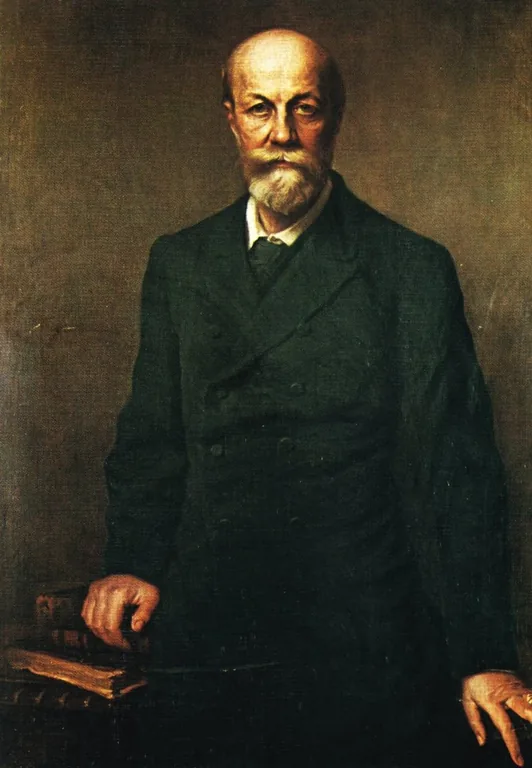
About the Author
More Books by This Author
6 picks