
LIST OF ILLUSTRATIONS
| PAGE | |||||||||||||||||||||||
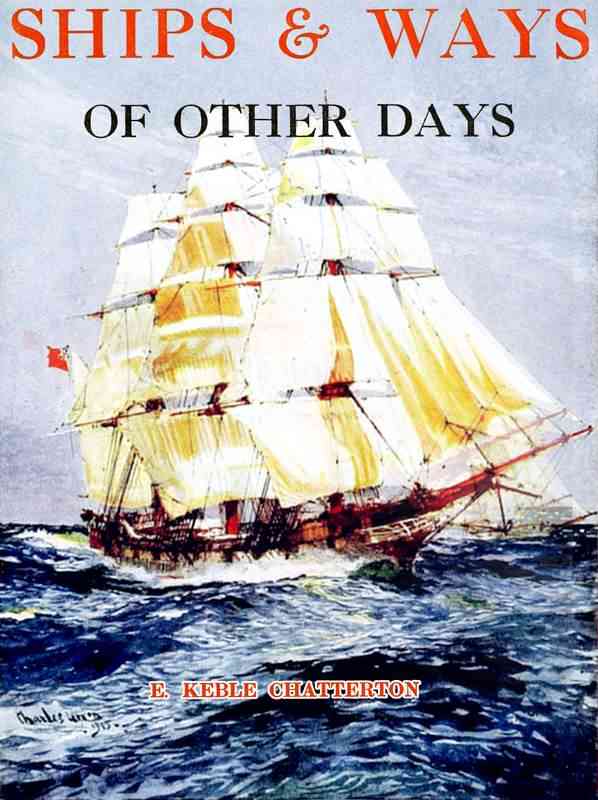
| A Ship of Yesterday (a tea clipper before the wind) To face title-page | |||||||||||||||||||||||
| A Seventeenth-Century Dutch Dockyard Headpiece to Preface | |||||||||||||||||||||||
| Spithead in the Early Nineteenth Century | 2 | ||||||||||||||||||||||
| Old-fashioned Topsail Schooner | 8 | ||||||||||||||||||||||
| “River sailors rather than blue-water seamen” | 13 | ||||||||||||||||||||||
| “Mine be a mattress on the poop” | 34 | ||||||||||||||||||||||
| Cast of a Relief showing Rowers on a Trireme | 38 | ||||||||||||||||||||||
| Vase in the form of a Trireme’s Prow | 42 | ||||||||||||||||||||||
| Portions of Early Mediterranean Anchor | 44 | ||||||||||||||||||||||
| Shield Signalling | 49 | ||||||||||||||||||||||
| Greek Penteconter from an Ancient Vase | 51 | ||||||||||||||||||||||
| The Egyptian Corn-Ship Goddess Isis | 58 | ||||||||||||||||||||||
| The “Korax” or Boarding Bridge in Action | 63 | ||||||||||||||||||||||
| Sketches of Ancient Ships, by Richard Cook, R.A. | 64 | ||||||||||||||||||||||
| Ancient Coins illustrating Types of Rams | 65 | ||||||||||||||||||||||
| Bronze Figurehead of Roman Ship | 66 | ||||||||||||||||||||||
| Sketches of Ancient Ships, by Richard Cook, R.A. | 66 | ||||||||||||||||||||||
| Two Coins depicting Naumachiæ | 68 | ||||||||||||||||||||||
| A Roman Naumachia | 68 | ||||||||||||||||||||||
| Chart to illustrate Cæsar’s crossing the English Channel | 71 | ||||||||||||||||||||||
| Hull of Roman Ship found at Westminster | 78 | ||||||||||||||||||||||
| Details of Roman Ship found at Westminster | 80 | ||||||||||||||||||||||
| Details of Roman Ship found at Westminster | 82 | ||||||||||||||||||||||
| Primitive Navigation of the Vikings | 89 | ||||||||||||||||||||||
| Details of Viking Ships and Tackle | 99 | ||||||||||||||||||||||
| Vikings boarding an Enemy | 102 | ||||||||||||||||||||||
| Viking Ship with Awning up | 111 | ||||||||||||||||||||||
| Thirteenth-Century Merchant Sailing Ship | 123 | ||||||||||||||||||||||
| Fourteenth-Century Portolano of the Mediterranean | 124 | ||||||||||||||||||||||
| Prince Henry the Navigator | 126 | ||||||||||||||||||||||
| Fifteenth-Century Shipbuilding Yard | 132 | ||||||||||||||||||||||
| A Fifteenth-Century Ship | 134 | ||||||||||||||||||||||
| The Fleet of Richard I setting forth for the Crusades | 139 | ||||||||||||||||||||||
| A Medieval Sea-going Ship | 146 | ||||||||||||||||||||||
| Fifteenth-Century Caravel, after a Delineation by Columbus | 158 | ||||||||||||||||||||||
| “Ordered the crew ... to lay out an anchor astern” | 162 | ||||||||||||||||||||||
| Fifteenth-Century Caravel, after a Delineation by Columbus | 164 | ||||||||||||||||||||||
| Three-masted Caravel | 166 | ||||||||||||||||||||||
| Sixteenth-Century Caravel at Sea | 166 | ||||||||||||||||||||||
| Sixteenth-Century Caravel at Anchor | 170 | ||||||||||||||||||||||
| Sixteenth-Century Astrolabe supposed to have been on board a Ship of the Armada | 172 | ||||||||||||||||||||||
| Astrolabe used by the English Sixteenth-Century Navigators | 173 | ||||||||||||||||||||||
| Sixteenth-Century Navigator using the Cross-staff | 176 | ||||||||||||||||||||||
| Sixteenth-Century Compass Card | 177 | ||||||||||||||||||||||
| An Old Nocturnal | 178 | ||||||||||||||||||||||
| Sixteenth-Century Four-Masted Ship | 186 | ||||||||||||||||||||||
| Elizabethans boarding an Enemy’s Ship | 187 | ||||||||||||||||||||||
| Elizabethan Steering-Gear | 189 | ||||||||||||||||||||||
| Sixteenth-Century Ship chasing a Galley | 190 | ||||||||||||||||||||||
| Waist, Quarter-deck, and Poop of the Revenge | 192 | ||||||||||||||||||||||
| Sixteenth-Century Three-masted Ship | 192 | ||||||||||||||||||||||
| Riding Bitts on the Gun Deck of the Revenge | 195 | ||||||||||||||||||||||
| Plan of Early Seventeenth-Century Ship | 197 | ||||||||||||||||||||||
| Sixteenth-Century Warship at Anchor | 198 | ||||||||||||||||||||||
| Drake’s Revenge at Sea | 201 | ||||||||||||||||||||||
| Sixteenth-Century Mariners learning Navigation | 206 | ||||||||||||||||||||||
| Chart of A.D. 1589 | 211 | ||||||||||||||||||||||
| Ship Designer with his Assistant | 212 | ||||||||||||||||||||||
| Chart of the Thames from the First Published Atlas | 214 | ||||||||||||||||||||||
| Diagram illustrating the use of the “Geometricall Square” | 215 | ||||||||||||||||||||||
| Sixteenth-Century Ship before the wind | 216 | ||||||||||||||||||||||
| Early Seventeenth-Century Warship | 218 | ||||||||||||||||||||||
| Early Seventeenth-Century Harbour | 222 | ||||||||||||||||||||||
| Early Seventeenth-Century Dutch East Indiamen | 226 | ||||||||||||||||||||||
| “The Perspective Appearance of a Ship’s Body” | 228 | ||||||||||||||||||||||
| “The Orthographick Simmetrye” of a Seventeenth-Century Ship | 230 | ||||||||||||||||||||||
| Early Seventeenth-Century Dutch West Indiamen | 232 | ||||||||||||||||||||||
| Fitting out a Seventeenth-Century Dutch West Indiaman | 236 | ||||||||||||||||||||||
| Seventeenth-Century Dutch Shipbuilding Yard | 240 | ||||||||||||||||||||||
| Seventeenth-Century First-Rate Ship | 244 | ||||||||||||||||||||||
| Section of a Three-Decker | 246 | ||||||||||||||||||||||
| Nocturnal | 247 | ||||||||||||||||||||||
| Building and launching Ships in the Eighteenth Century | 248 | ||||||||||||||||||||||
| Collier Brig | 250 | ||||||||||||||||||||||
| Boxhauling | 252 | ||||||||||||||||||||||
| Eighteenth-Century “Bittacle” | 253 | ||||||||||||||||||||||
| Interiors of Eighteenth-Century Men-of-War | 254 | ||||||||||||||||||||||
| Quarter-deck of an Eighteenth-Century Frigate | 255 | ||||||||||||||||||||||
| Collier Brig discharging Cargo | 256 | ||||||||||||||||||||||
| Eighteenth-Century Man-of-War | 258 | ||||||||||||||||||||||
| Collier Brigs beating up the Swin | 259 | ||||||||||||||||||||||
| Model of H.M.S. Triumph | 260 | ||||||||||||||||||||||
| “Compelled to let the ship lie almost on her beam ends” | 261 | ||||||||||||||||||||||
| An interesting bit of Seamanship | 262 | ||||||||||||||||||||||
| An ingenious Sail-Spread | 264 | ||||||||||||||||||||||
| Eighteenth-Century Three-Decker | 266 | ||||||||||||||||||||||
| Sterns of the Invincible and Glorioso | 268 | ||||||||||||||||||||||
| Model of an English Frigate, 1750 | 270 | ||||||||||||||||||||||
| A 32-gun Frigate ready for Launching | 272 | ||||||||||||||||||||||
| Launching a Man-of-War in the year 1805 | 274 | ||||||||||||||||||||||
| Sheer-Hulk | 276 | ||||||||||||||||||||||
| H.M.S. Prince | 278 | ||||||||||||||||||||||
| An Early Nineteenth-Century Design for a Man-of-War’s Stern | 280 | ||||||||||||||||||||||
| Course, Topsail, and Topgallant Sail of an Early Nineteenth-Century Ship | 281 | ||||||||||||||||||||||
| Stern of H.M.S. Asia | 282 | ||||||||||||||||||||||
| A Brig of War’s 12-pounder Carronade | 283 | ||||||||||||||||||||||
| A West Indiaman in Course of Construction | 284 | ||||||||||||||||||||||
| A Three-Decker on a Wind | 285 | ||||||||||||||||||||||
| The Brig Wolf | 286 | ||||||||||||||||||||||
| A Frigate under all Sail | 287 | ||||||||||||||||||||||
| Man in the Chains heaving the Lead | 287 | ||||||||||||||||||||||
| H.M.S. Cleopatra endeavouring to save the Crew of the Brig Fisher | 288 | ||||||||||||||||||||||
| H.M.S. Hastings | 289 | ||||||||||||||||||||||
| Model of the Carmarthenshire | 290 | ||||||||||||||||||||||
| PLANS | |||||||||||||||||||||||
| (At End of Volume) | |||||||||||||||||||||||
| |||||||||||||||||||||||
“The sea language is not soon learned, much less understood, being only proper to him that has served his apprenticeship: besides that, a boisterous sea and stormy weather will make a man not bred on it so sick, that it bereaves him of legs and stomach and courage, so much as to fight with his meat. And in such weather, when he hears the seamen cry starboard, or port, or to bide alooff, or flat a sheet, or haul home a cluling, he thinks he hears a barbarous speech, which he conceives not the meaning of.”
(Sir William Monson’s Naval Tracts.)