
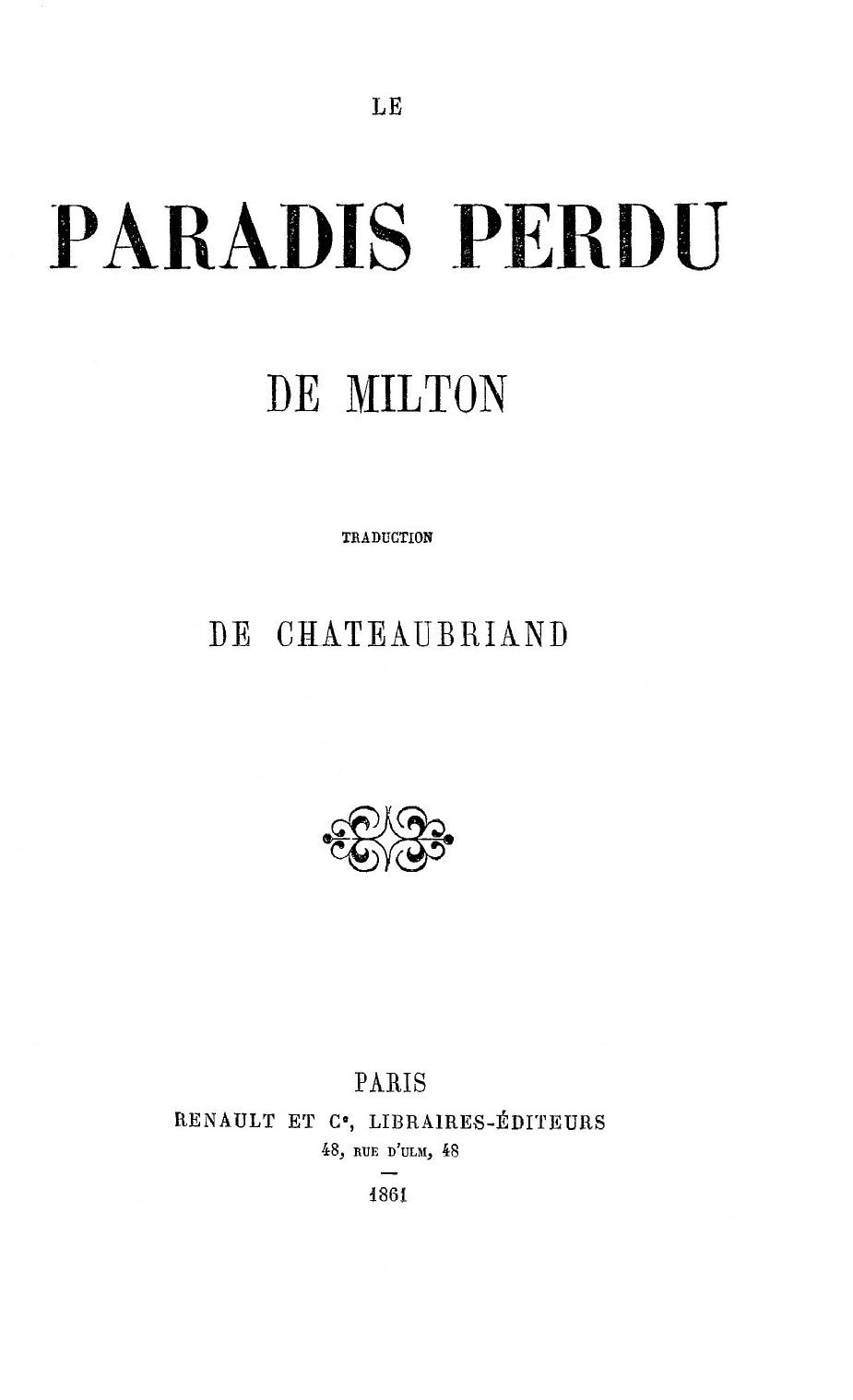
About This Book
An epic poem narrates the aftermath of a cosmic rebellion, depicting the expulsion of rebellious spirits, their councils in a fallen realm, and the plotting that leads to the temptation of the first human pair. It alternates sweeping theological argument with vivid descriptions of heaven, hell, and a pastoral garden, following debates about free will, obedience, sin, and redemption. The narrative moves from cosmic conflict to intimate consequence, culminating in the loss of innocence and a promise of eventual restoration, while employing elevated verse, classical reference, and sustained moral reflection.
About the Author

More Books by This Author
6 picks
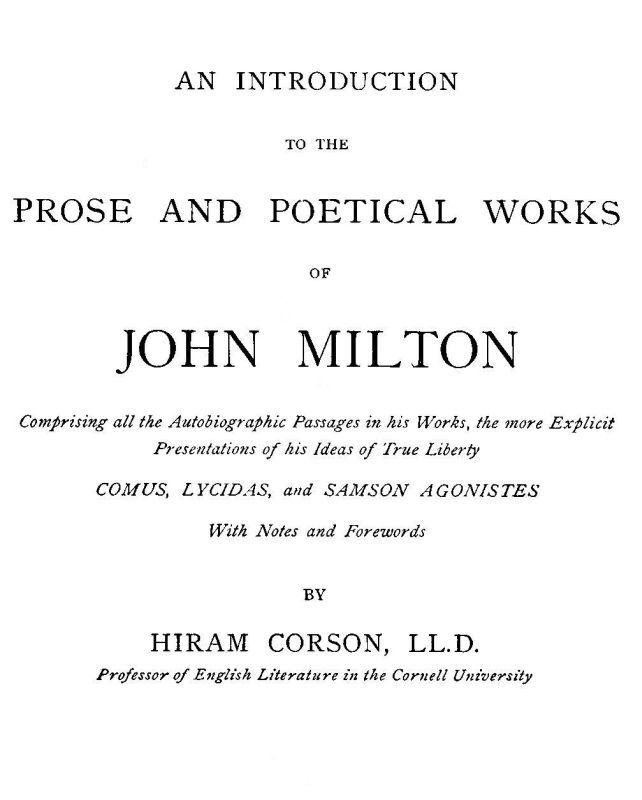 An Introduction to the Prose and Poetical Works of John Milton / Comprising All the Autobiographic Passages in His Works, the More Explicit Presentations of His Ideas of True Liberty.
by John Milton
An Introduction to the Prose and Poetical Works of John Milton / Comprising All the Autobiographic Passages in His Works, the More Explicit Presentations of His Ideas of True Liberty.
by John Milton
 Areopagitica / A Speech for the Liberty of Unlicensed Printing to the Parliament of England
by John Milton
Areopagitica / A Speech for the Liberty of Unlicensed Printing to the Parliament of England
by John Milton
 El paraíso perdido
by John Milton
El paraíso perdido
by John Milton
 L'Allegro, Il Penseroso, Comus, and Lycidas
by John Milton
L'Allegro, Il Penseroso, Comus, and Lycidas
by John Milton
 Milton's Comus
by John Milton
Milton's Comus
by John Milton
 Milton: Minor Poems
by John Milton
Milton: Minor Poems
by John Milton
You May Also Like
6 picks
 "1914"
by John Oxenham
"1914"
by John Oxenham
 "All's Well"; or, Alice's Victory
by Emily Sarah Holt
"All's Well"; or, Alice's Victory
by Emily Sarah Holt
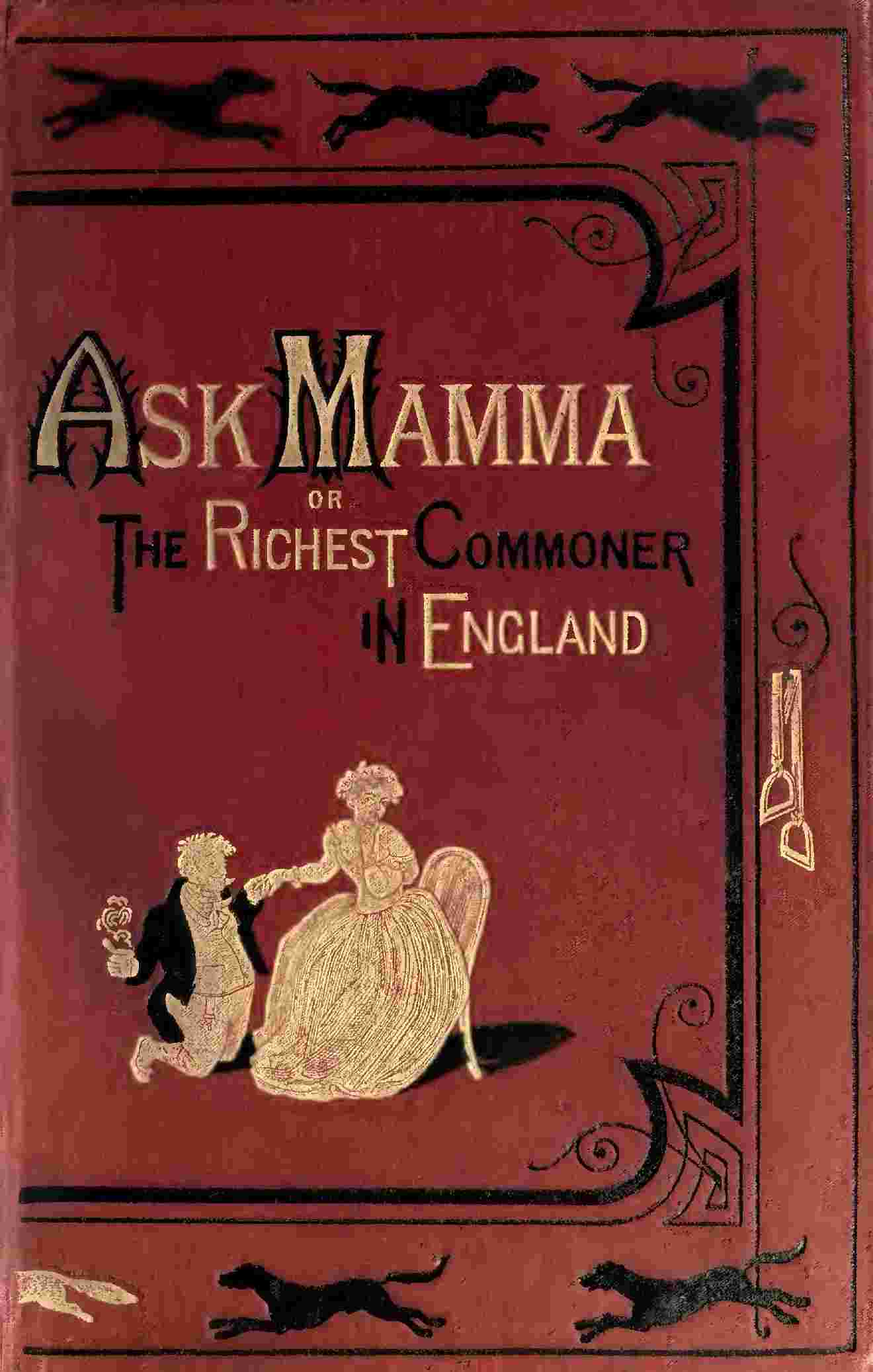 "Ask Mamma"; or, The Richest Commoner In England
by Robert Smith Surtees
"Ask Mamma"; or, The Richest Commoner In England
by Robert Smith Surtees
 "Bones": Being Further Adventures in Mr. Commissioner Sanders' Country
by Edgar Wallace
"Bones": Being Further Adventures in Mr. Commissioner Sanders' Country
by Edgar Wallace
 "Captains Courageous": A Story of the Grand Banks
by Rudyard Kipling
"Captains Courageous": A Story of the Grand Banks
by Rudyard Kipling
 "Captains Courageous": A Story of the Grand Banks
by Rudyard Kipling
"Captains Courageous": A Story of the Grand Banks
by Rudyard Kipling