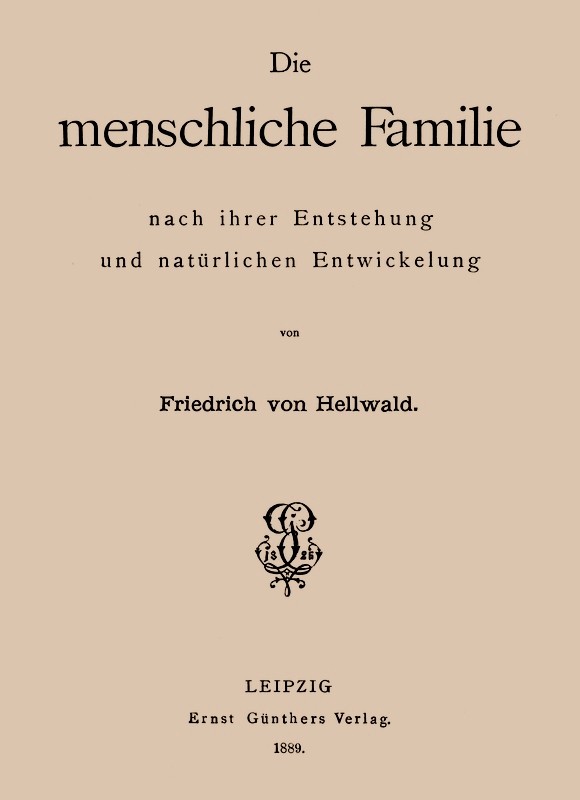
A comparative study traces the biological roots of pairing and mating through animal examples, then follows human sexual behavior and intimacy from prehistoric practices to the emotions and rituals that shape relationships. It examines early kinship arrangements such as mother-groups, exogamy, clan and village organization, and analyzes institutional forms including matriarchal and patriarchal systems, polyandry, polygyny, levirate, and ritual marriages like bride capture or purchase. The work surveys household structures, regional and religious variants of family life, and concludes with the transition toward modern marital arrangements and the social conditions that drive family change.